 Britannia Auctions
Factory and workshop clearance in Reading
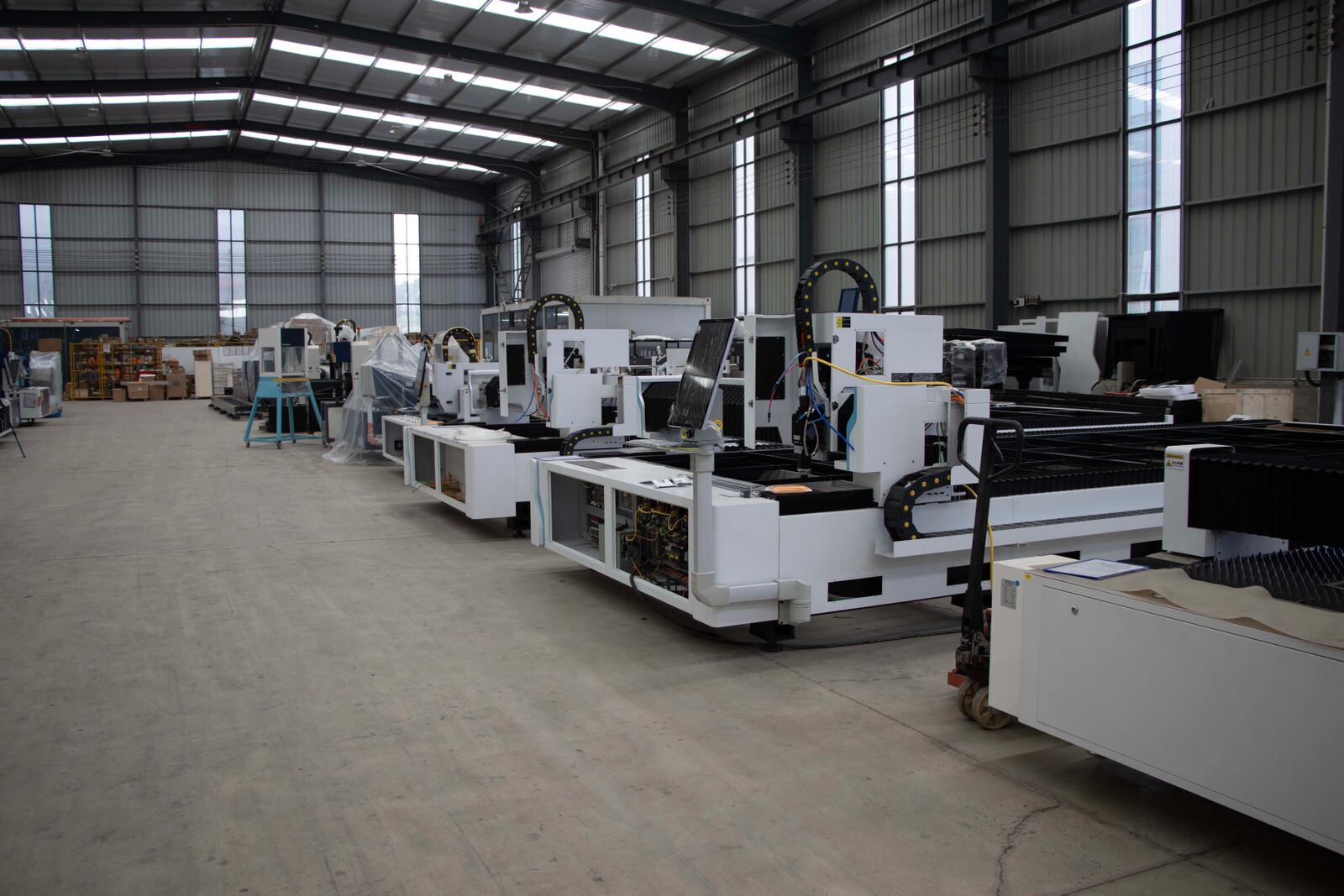
Underneath the office parks, Reading has a working set of trading estates, and that is where our clearances come from. Battle Farm on Loverock Road and the units along Portman Road hold engineering workshops, vehicle repairers, trade suppliers and small fabricators. Robert Cort and the Cardiff Road units add warehousing and light manufacturing. Theale, at junction 12, has the larger distribution sheds. A clearance in the town is usually a workshop or a warehouse with an office attached, rather than a factory floor.
That mix is straightforward to catalogue. Machine tools, vehicle lifts, compressors and racking have a market up and down the M4 corridor, and Wokingham, Bracknell, Newbury and Basingstoke are close enough to reach a viewing day. The office furniture and IT go in the same sale.
We catalogue everything and sell it in one timed online auction, and a strip out can be arranged where agreed. Tell us the address and your deadline.
Garages and machine shops on the older estates in town
A vehicle repairer's clearance has the advantage of standard lots. Two and four post lifts, tyre changers, wheel balancers, aligners, compressors, welders and diagnostic kit are known quantities in the garage trade, which is thick on the ground between Reading and Slough and able to get to a viewing day without a long trip. Engineering shops on the same estate leave lathes, mills, saws and welding plant, and bidding is online for dealers further off.
The estates in the town are older and the yards often shared, so collection runs by timed slot and heavy lots can be staged at the door. What a low loader can reach at a given unit is measured rather than assumed, and the catalogue says which.
Pits, lifts bolted to the slab, the paint booth and the compressed air ring main are the strip out. Lifts sell as dismantling lots. The pit is left as the lease requires, filled or fenced, and the fixings are ground flush.
The office comes out with the workshop
Most Reading units have more office than the average factory, and some businesses closing here are office based with a workshop or store behind. That contents has a value and it goes in the same sale. Desks, chairs, meeting tables, storage, screens and IT equipment sell in grouped lots to the trade and to smaller firms fitting out. Data bearing equipment is wiped or destroyed with a certificate before it is sold.
Distribution units at Theale are the bigger jobs. Racking by the aisle, mezzanines, conveyors, forklifts and dock equipment, with the racking coming down after the loose lots and the floor ground flat where agreed. Junction 12 keeps the run in short from Bristol or London, and what the yard takes is confirmed first.
Lease events set the dates. A break clause or a rent quarter day is usually the trigger, and the auction is placed to close with enough room for the strip out before it.
What these sales can include
- Production machinery
- Machine tools and tooling
- Pallet racking and mezzanines
- Compressors and air receivers
- Extraction and filtration systems
- Overhead cranes and hoists
- Forklifts and pallet trucks
- Workbenches, cabinets and stores
- Electrical switchgear
- Office furniture and IT
- Scrap metal and redundant stock
- Vans and site vehicles
The auction stage
We catalogue every saleable item on site, from the main machines down to grouped lots of hand tools and stores. The sale runs online as a timed auction with a viewing day at the premises. The buyer pays the hammer price plus the premium, with VAT charged where it applies and shown separately, and collects during an agreed window.
Lots are offered as seen under the auction terms, and buyers are expected to inspect before bidding. They arrange and pay for dismantling and removal. Where an item must be taken down carefully, such as a mezzanine or an overhead crane, the catalogue says so and it is part of the lot.
You keep the premises accessible, safe and powered until collection ends. We attend to release lots. The more that leaves through the auction, the less there is to clear at cost afterwards.
The factory and workshop clearance page covers clearance is a different job from a sale, everything that has to come out, the clearance stage, timescales and what slows them down, when a clearance is the wrong approach.
Questions about selling in Reading
- We are a small engineering shop on Portman Road. Is the job too small for an auction?
No. A workshop with a dozen machines and the benches, tooling, stores and stock around them makes a proper sale, and there is less to programme than on a large one. Cataloguing takes about a day, bidding a week or two with the viewing inside it, then the collection window, the timing following the number of lots and the access. If a single machine is worth much more than the rest, we can sell it by private treaty and auction the remainder. The same person handles the job from the first call to settlement.
- Our unit is in a shared yard at Theale with a managing agent. Who arranges access for collection?
We do, through you. We contact the agent at the start with the sale dates, the collection window and the vehicles expected, and agree any restrictions on hours or on where lorries can stand. Buyers are given timed slots inside that window, and the low loader for the heaviest lots is booked for a time the agent has approved. If the agent needs a method statement or insurance details for the strip out contractor, we provide them before work starts.
More questions about factory clearance
Related services
Guides
- How a commercial asset auction works
A stage by stage account of an online timed auction for business assets. It covers the asset schedule, cataloguing, viewing days, how bidding closes, buyer's premium and VAT, collection and how you get paid.
- Preparing machinery and equipment for sale
What to do before viewing day. Keep the machines that can be run safely available to demonstrate, isolate the rest, clean but do not repaint, find the tooling and manuals, and sort out access for removal.