 Britannia Auctions
Factory and workshop clearance in Southampton
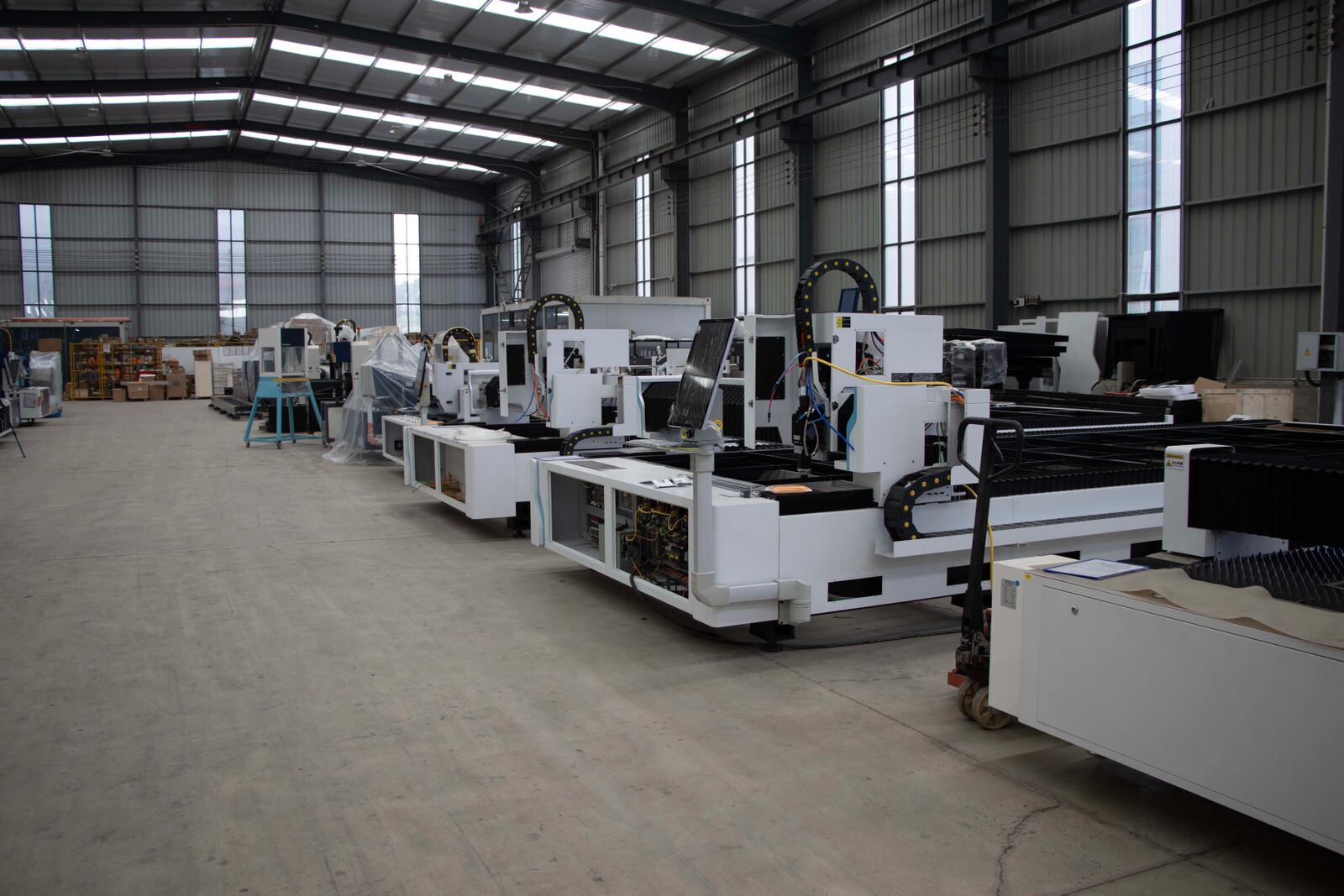
A boatyard is the clearance this city is best known for. Along the Itchen and down Southampton Water, marine engineers and boatbuilders work from sheds that hold gantry cranes, boat cradles, GRP moulds, resin and gelcoat stores, spray booths and a machine shop for the shaft and propeller work. When the yard closes, most of that has a market in the marine trade around the Solent, and the moulds and cradles are the awkward part because they are bulky and worth little to anyone outside it.
The other end of the city is the port. Distribution sheds at Nursling and Adanac Park leave racking, forklifts, dock levellers and a fleet workshop, and the vehicle handling firms add ramps, wash bays, inspection lifts and tyre kit.
We sell the lot in one timed online auction, and a strip out can be arranged afterwards where agreed. Send us the address, the rough contents and the day the keys go back.
What a boatyard leaves when the last hull goes
Marine equipment has a trade close at hand. Boatbuilders and engineers at Fareham, Portsmouth and Totton are close enough to view in person for the travel hoists, gantry cranes, cradles, trailers and workshop machinery, and moulds interest whoever holds the rights to the design, or a yard that wants the tooling for repair work. Resin, gelcoat, hardener and solvents in date sell in grouped lots. Out of date stock does not, and it is removed by a licensed carrier as part of the clearance rather than left for the landlord to find.
Access is the thing to check first. Sheds on the river were built for boats to come out on the water side, not for a low loader at the road side. We walk the site before the catalogue is written and work out what each lot needs, from the weight and dimensions to the route out, and that goes in the lot description so nobody arrives with the wrong vehicle.
Racking and fleet kit from the port sheds
A shed at Nursling or Adanac Park is the opposite kind of job. The loose lots are standard, reach trucks, counterbalance forklifts, pallet trucks, dock levellers, packing benches and the fleet workshop with its lifts and compressors, and they suit hauliers and warehouse operators, with bidding online and open across the UK. Junction 1 of the M271 keeps the run in short from the M27, and what the yard gives an articulated vehicle is confirmed first.
The slow part is the strip out. Racking in a large shed runs to hundreds of bays, sold by the run to a dealer as a dismantling lot or taken down by a contractor where agreed, with the floor fixings ground flush and the slab left as the schedule of condition asks.
Where the shed is handed back on a rent quarter day, we propose an auction close a few weeks ahead so the collection window and the strip out both have room, with the spacing set by how many lots there are and the access.
What these sales can include
- Production machinery
- Machine tools and tooling
- Pallet racking and mezzanines
- Compressors and air receivers
- Extraction and filtration systems
- Overhead cranes and hoists
- Forklifts and pallet trucks
- Workbenches, cabinets and stores
- Electrical switchgear
- Office furniture and IT
- Scrap metal and redundant stock
- Vans and site vehicles
The auction stage
We catalogue every saleable item on site, from the main machines down to grouped lots of hand tools and stores. The sale runs online as a timed auction with a viewing day at the premises. The buyer pays the hammer price plus the premium, with VAT charged where it applies and shown separately, and collects during an agreed window.
Lots are offered as seen under the auction terms, and buyers are expected to inspect before bidding. They arrange and pay for dismantling and removal. Where an item must be taken down carefully, such as a mezzanine or an overhead crane, the catalogue says so and it is part of the lot.
You keep the premises accessible, safe and powered until collection ends. We attend to release lots. The more that leaves through the auction, the less there is to clear at cost afterwards.
The factory and workshop clearance page covers clearance is a different job from a sale, everything that has to come out, the clearance stage, timescales and what slows them down, when a clearance is the wrong approach.
Questions about selling in Southampton
- Our yard is on the Itchen and the only road access is a narrow lane. Can a clearance still work?
Yes, but the plan has to start with the access. We check the lane for width and turning, find out whether the heaviest lots can go out by water or by crane over the wall, and set collection slots so only one vehicle is on the lane at a time. Lots that need a rigger are marked in the catalogue and the buyer pays that cost. Where the lane rules out a low loader altogether, we collect the heavy items ourselves in stages and sell them from our own premises.
- We have a vehicle handling depot near the docks with ramps and wash bays. Is that a normal clearance?
It is. Ramps, inspection lifts, pressure washers, wash bay plant, tyre changers and the fleet workshop equipment all have a market, with garages and vehicle preparation firms around the Solent near enough to attend the viewing day. The interceptor and the water treatment plant are normally part of the building unless the landlord agrees otherwise, and both are emptied and certified by a licensed contractor before handover.
More questions about factory clearance
Related services
Guides
- How a commercial asset auction works
A stage by stage account of an online timed auction for business assets. It covers the asset schedule, cataloguing, viewing days, how bidding closes, buyer's premium and VAT, collection and how you get paid.
- Preparing machinery and equipment for sale
What to do before viewing day. Keep the machines that can be run safely available to demonstrate, isolate the rest, clean but do not repaint, find the tooling and manuals, and sort out access for removal.