 Britannia Auctions
Factory and workshop clearance in Warrington
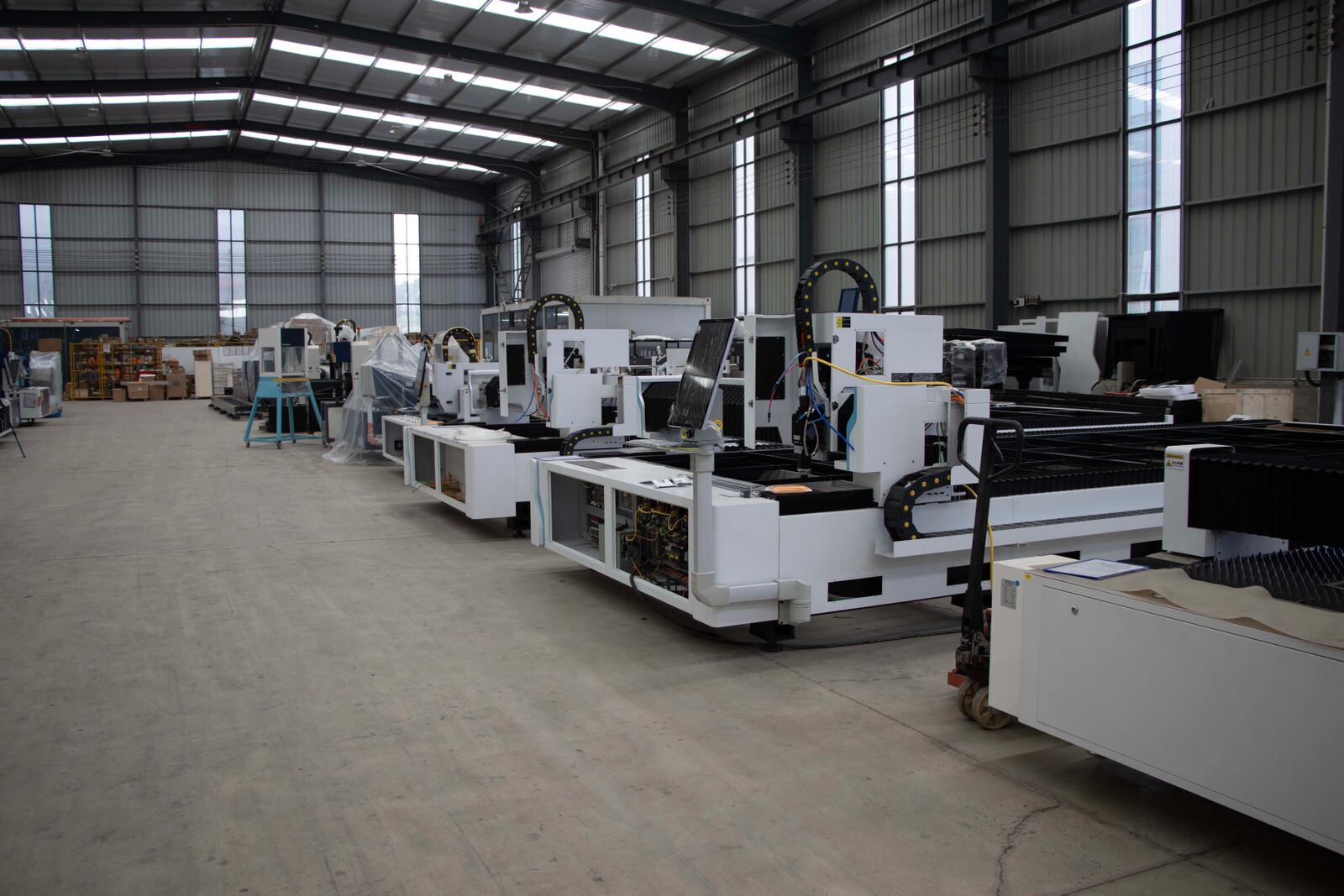
Two motorways cross at Warrington and many of the buildings around the crossing are big, with room in the yard and a door built for a forklift, though what each site gives a vehicle is measured at the site visit. What usually takes the time on a Warrington clearance is what was inside: process plant that has held chemicals, engineering workshops built for nuclear and energy work, vehicle and trailer repair shops with pits and tanks, and distribution sheds with racking to the roof.
Most of those need something signed off before a buyer can take a lot away. A vessel needs a decontamination certificate before it is offered, and a pit needs pumping and a tank draining by a licensed contractor.
We plan that in from the start and sell everything with a value in one timed auction online, and a strip out can be arranged afterwards where agreed. Tell us what the building was used for and when it has to be clear.
Process plant sells with its cleaning certificate
Chemical and process equipment at Bank Quay and on the older estates near the Ship Canal is worth having: glass lined and stainless vessels, reactors, heat exchangers, pumps, centrifuges, filter presses, agitators and the instrumentation that ran them. Buyers are process firms across the UK and dealers who export, and they bid online because the market for a particular vessel is thin in any one town.
None of it can be offered until it is clean. Residues are removed and the vessel washed, then a certificate of decontamination is issued and goes with the lot. Pipework that carried product is cut and flushed before the strip out contractor touches it. Bunds and interceptors are emptied and certified before handover.
Switchgear, motor control centres, cable tray and the compressor house come out with the strip out where agreed, and the scrap value of the pipework and structural steel is set against the cost.
Trailer repair shops and fabrication bays near the M62
Vehicle and trailer repair firms on Woolston Grange and Appleton Thorn hold kit with a wide market. Column lifts, pit jacks, brake testers, headlamp testers, tyre equipment, compressors, welding sets, plasma cutters and the trailer jacks suit hauliers and garages, and Widnes, Runcorn, St Helens and Wigan are a short run from a viewing day. Online bidding opens the sale to the rest of the country.
The fixed items are the pits, the lifts bolted through the slab, the fuel tank and the wash bay. Lifts sell as dismantling lots, and pits are pumped out and either left clean or filled as the landlord wants. The tank is drained by a licensed contractor and sold if it is above ground, or decommissioned in place if it is below.
Fabrication shops on the same estates add press brakes, guillotines, rollers and the overhead crane, and the crane is a fixture unless the lease says otherwise.
What these sales can include
- Production machinery
- Machine tools and tooling
- Pallet racking and mezzanines
- Compressors and air receivers
- Extraction and filtration systems
- Overhead cranes and hoists
- Forklifts and pallet trucks
- Workbenches, cabinets and stores
- Electrical switchgear
- Office furniture and IT
- Scrap metal and redundant stock
- Vans and site vehicles
The auction stage
We catalogue every saleable item on site, from the main machines down to grouped lots of hand tools and stores. The sale runs online as a timed auction with a viewing day at the premises. The buyer pays the hammer price plus the premium, with VAT charged where it applies and shown separately, and collects during an agreed window.
Lots are offered as seen under the auction terms, and buyers are expected to inspect before bidding. They arrange and pay for dismantling and removal. Where an item must be taken down carefully, such as a mezzanine or an overhead crane, the catalogue says so and it is part of the lot.
You keep the premises accessible, safe and powered until collection ends. We attend to release lots. The more that leaves through the auction, the less there is to clear at cost afterwards.
The factory and workshop clearance page covers clearance is a different job from a sale, everything that has to come out, the clearance stage, timescales and what slows them down, when a clearance is the wrong approach.
Questions about selling in Warrington
- Our engineering workshop did work for the nuclear sector. Does that change how the sale runs?
It changes what we check, not how we sell. Ordinary machine tools, welding plant and inspection kit from a workshop at Birchwood are sold like any other, and they draw the same buyers. What we ask for first is the paperwork: whether any item has been in a controlled area, whether the customer holds title to tooling or drawings, and whether any contract puts conditions on disposal. Anything with a condition on it is held back until the customer confirms in writing. The rest is catalogued as normal.
- The site has a bunded chemical store with drums still in it. Can you deal with those?
Yes, as part of the clearance rather than the auction. Chemicals in date and in sealed containers can sometimes be sold to a user in the trade, and we will ask. Anything else is removed by a licensed waste contractor with the consignment notes kept for your records, and the bund is cleaned and certified afterwards. We price that work before the sale so you know what the residual income has to cover. Do not move the drums yourself before we visit. The contractor wants to see them where they stand.
More questions about factory clearance
Related services
Guides
- How a commercial asset auction works
A stage by stage account of an online timed auction for business assets. It covers the asset schedule, cataloguing, viewing days, how bidding closes, buyer's premium and VAT, collection and how you get paid.
- Preparing machinery and equipment for sale
What to do before viewing day. Keep the machines that can be run safely available to demonstrate, isolate the rest, clean but do not repaint, find the tooling and manuals, and sort out access for removal.