 Britannia Auctions
Surplus equipment sales in Doncaster
Part exchange stock builds up on the dealer yards at the edge of Doncaster. Tractors and telehandlers come in against new machines, plant hire firms thin out their fleets before the next build season, and used stock that has been standing for months is surplus whether the dealer calls it that or not. Add the fabrication shops on Wheatley Hall Road and Balby Carr replacing a welder or a saw, and the rail depots clearing tooling from a fleet that has gone off lease, and there is a steady flow of kit here that has stopped earning and is taking up yard space.
We sell it without stopping the business. Our staff catalogue on site, the auction runs online for a week or two, and collection is in booked slots. The trade in Rotherham, Barnsley, Worksop and Scunthorpe is within easy reach by road, and bidding is open to everyone else online.
Part exchange stock a dealer cannot shift
A dealer takes a machine in against a new one because the deal needs it, not because the yard needs another used tractor. Six months later the machine is still there. It is the wrong colour for the dealer's customers, or the wrong size, or simply older than the stock they like to carry. It is capital sitting on gravel.
An auction puts it in front of buyers who do want it. Used tractors, telehandlers, mini excavators, dumpers and trailers are widely used types, and much of the plant and agricultural trade is within an hour of Doncaster. We photograph each machine with the hours shown, note the year, the tyres, the cab condition and anything that does not work, and list a run of them on one closing date so buyers compare and compete. Where the same thing happens every season, a standing arrangement can be agreed so new part exchange stock joins the next sale as it comes in.
Rail depot kit and its specialist market
Rolling stock maintenance produces surplus when a fleet leaves or a contract changes hands. Bogie stands, wheelset handling kit, lifting jacks rated for rail vehicles, torque tools, test rigs and stores stock bought for a class of train that no longer comes in. Little of it means anything to a general buyer, and it is written instead for the firms and depots that work on the same vehicles.
We write these lots for that reader. Rating plates, calibration dates, serial numbers and the vehicle type the kit was bought for go in the description, because the buyer will bid on the catalogue and may never come to Kirk Sandall to look. Where a depot has restricted access, viewing is a single booked slot with visitors escorted.
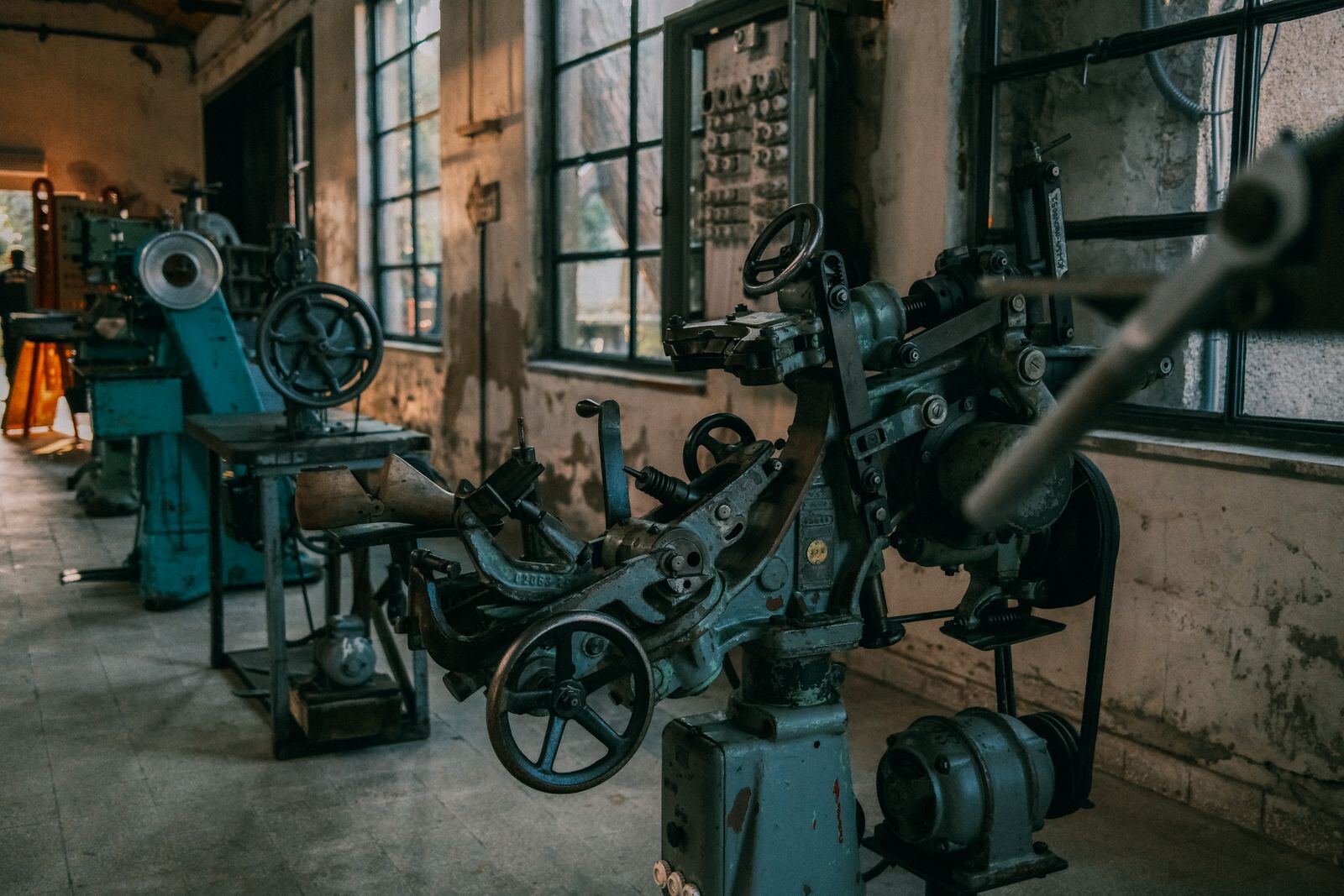
The fabrication shops nearby are simpler. A profile cutter, a set of rollers, a bandsaw or a column drill is catalogued for the trade across South Yorkshire, and how each one leaves depends on its weight, its dimensions and the route out.
What these sales can include
- Machine tools and CNC equipment
- Forklifts and access platforms
- Pallet racking and shelving
- Compressors and air tools
- Welders and fabrication kit
- Vehicles and trailers
- Test and measurement equipment
- Site accommodation and containers
- Packaging and labelling machines
- Obsolete stock and components
- Office furniture and IT
- Catering and canteen equipment
Selling from a live site
Most surplus sales happen inside a business that is still trading. That changes how we work. Cataloguing is done around your shifts. Viewing is by appointment or on a single day, with visitors signed in and escorted. Collection is booked in slots so that nobody is moving a machine through the middle of a production run.
Items that are still bolted down, plumbed in or connected to services are isolated by a competent person before collection, with electrical and gas disconnection done by qualified people. Buyers arrange and pay for the removal of their lots, and they do not disconnect services themselves.
Tell us about anything that affects access: weight limits on floors, door heights, crane availability, restricted hours. It all goes in the catalogue so buyers plan the removal properly.
The surplus equipment sales page covers what counts as surplus, one sale or a standing arrangement, pricing, reserves and the buyer's premium, after the sale.
Questions about selling in Doncaster
- The yards at iPort are built for artics but our fabrication shop is off Wheatley Hall Road. Will buyers be able to collect?
That is one of the things we check at the first visit. Vehicle access and turning space, the loading arrangements, the door dimensions and the route through the building are all looked at, and the findings go in the catalogue so nobody bids without knowing. Removal is arranged and paid for by the buyer. If a machine needs skates or a crane we say so in the catalogue and the buyer's rigger comes prepared. Collection is booked in slots so one crew is in the shop at a time.
- Our plant hire fleet is renewed each winter. Is one sale a year the best way to sell the old machines?
One sale a year suits a fleet renewed on a cycle, and the closing date is worth choosing with the season in mind, since site work picks up in spring. If machines come free at other times, a standing arrangement can be agreed so they join the next general sale rather than waiting a year for the next one. Either way, reserves can go on the main items, and you get our opinion of hammer prices and of likely interest before you decide.
More questions about surplus equipment
Related services
Guides
- Preparing machinery and equipment for sale
What to do before viewing day. Keep the machines that can be run safely available to demonstrate, isolate the rest, clean but do not repaint, find the tooling and manuals, and sort out access for removal.
- How used machinery is valued
Buyers pay for what a machine will do for them, less what it costs to get it out and running. This guide explains how make, hours, tooling, demand and removal cost feed a guide price, and why that price is not book value.