 Britannia Auctions
Surplus equipment sales in Sunderland
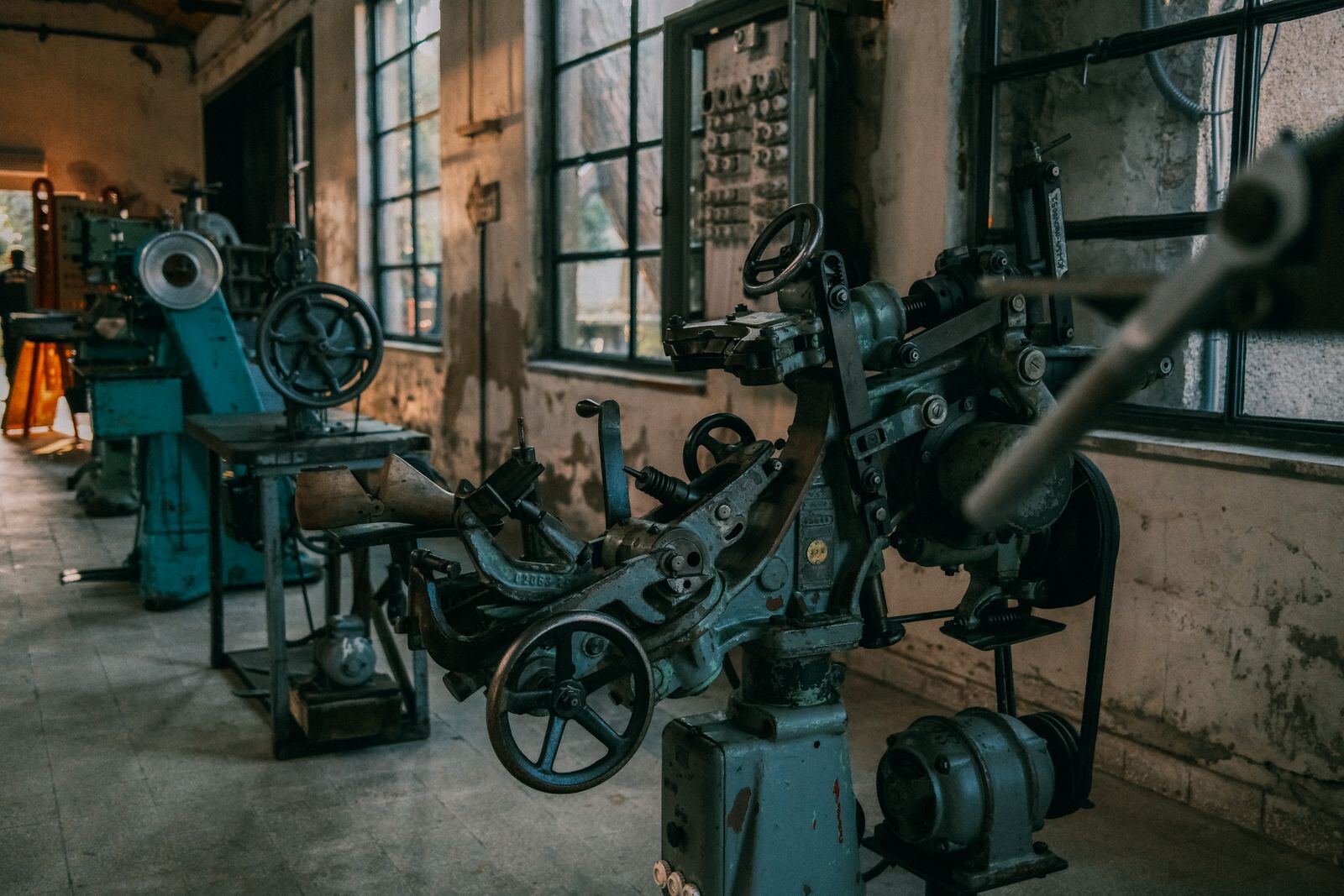
Supplier contracts on the car side run for the life of a model, and when the model changes the kit built for it can be left with nothing to do. An assembly cell with two robots and a conveyor. Injection moulding machines sized for a trim part that is no longer made. Press tooling, check fixtures, end of arm tooling and the racks of stillages that fed the line. We sell that kind of surplus for the tier one and tier two firms on the Washington estates and at Hylton, and we do it while the next contract is running on the floor beside it.
The method is the same whatever the size of the job. We catalogue the items where they stand and sell them by online timed auction over a week or two. Collection is booked into slots that suit your shifts. Send us a list and we will tell you what we think it is worth and what is better scrapped.
Automation cells and moulding plant after a contract ends
Robots and automation reach further than sellers often expect. A six axis robot on a base with its controller is catalogued for integrators and other manufacturers, and known hours and the teach pendant make it far easier to judge. A complete cell is harder. Buyers want the robots, not the guarding and the conveyor built around one part, so we usually split a cell into lots that make sense to a buyer rather than lots that reflect how it was installed.
Injection moulding machines sell on tonnage, age, control system and condition. The tool makers and moulders in Peterlee, Gateshead and across the north are close enough to inspect the lots before the sale closes, and dealers bid from further away online. Moulds themselves are a different question. A tool for a part nobody else makes is scrap weight unless the customer who owns the part wants it, and we say so rather than catalogue it and disappoint you.
Collection from the Washington estates
Pattinson and Armstrong were laid out for articulated traffic, but the unit itself is what we check: vehicle access and room to turn, the loading door, the floor and the route through the building. That is how the biggest risk in a surplus sale is managed, which is a buyer who has paid and cannot get the lot out. We walk that route before the catalogue goes live, because a moulding machine in the middle of a live shop has to pass running lines to reach the door.
Collection works like this:
- Buyers pay us first and are given a slot inside the window we agree with you.
- One rigging crew or lorry is on site at a time, with our staff releasing lots against paid invoices.
- Isolation and disconnection are done by qualified people. Buyers do not touch services.
- Machines on finance or lease are not catalogued until the funder has agreed in writing.
What these sales can include
- Machine tools and CNC equipment
- Forklifts and access platforms
- Pallet racking and shelving
- Compressors and air tools
- Welders and fabrication kit
- Vehicles and trailers
- Test and measurement equipment
- Site accommodation and containers
- Packaging and labelling machines
- Obsolete stock and components
- Office furniture and IT
- Catering and canteen equipment
Selling from a live site
Most surplus sales happen inside a business that is still trading. That changes how we work. Cataloguing is done around your shifts. Viewing is by appointment or on a single day, with visitors signed in and escorted. Collection is booked in slots so that nobody is moving a machine through the middle of a production run.
Items that are still bolted down, plumbed in or connected to services are isolated by a competent person before collection, with electrical and gas disconnection done by qualified people. Buyers arrange and pay for the removal of their lots, and they do not disconnect services themselves.
Tell us about anything that affects access: weight limits on floors, door heights, crane availability, restricted hours. It all goes in the catalogue so buyers plan the removal properly.
The surplus equipment sales page covers what counts as surplus, one sale or a standing arrangement, pricing, reserves and the buyer's premium, after the sale.
Questions about selling in Sunderland
- The line the kit came from is still under contract to the customer. Can we sell it?
Only if you own it. On the automotive side a lot of tooling, fixtures, gauges and stillages belong to the customer even though they sit in your factory, and some machines are on the customer's finance. Check the contract and the asset register before you send us a list. Where the customer owns an item, they may agree to release it or buy it back, and we can handle either. We will not catalogue anything until ownership is clear.
- Will buyers from outside the car industry bid on our kit?
Yes. A pallet racking run or a fleet of counterbalance trucks from a supplier at Hylton Riverside is standard equipment for warehouses and builders across the north east, and the bidding is open to the whole UK online. Compressors and welders go to general engineering shops, and inspection equipment goes to anyone with a quality department. Only the car specific tooling has a narrow market. We catalogue so that a buyer who has never seen a car plant can understand what each lot is and what it does.
More questions about surplus equipment
Related services
Guides
- Preparing machinery and equipment for sale
What to do before viewing day. Keep the machines that can be run safely available to demonstrate, isolate the rest, clean but do not repaint, find the tooling and manuals, and sort out access for removal.
- How used machinery is valued
Buyers pay for what a machine will do for them, less what it costs to get it out and running. This guide explains how make, hours, tooling, demand and removal cost feed a guide price, and why that price is not book value.