 Britannia Auctions
Surplus equipment sales in Telford
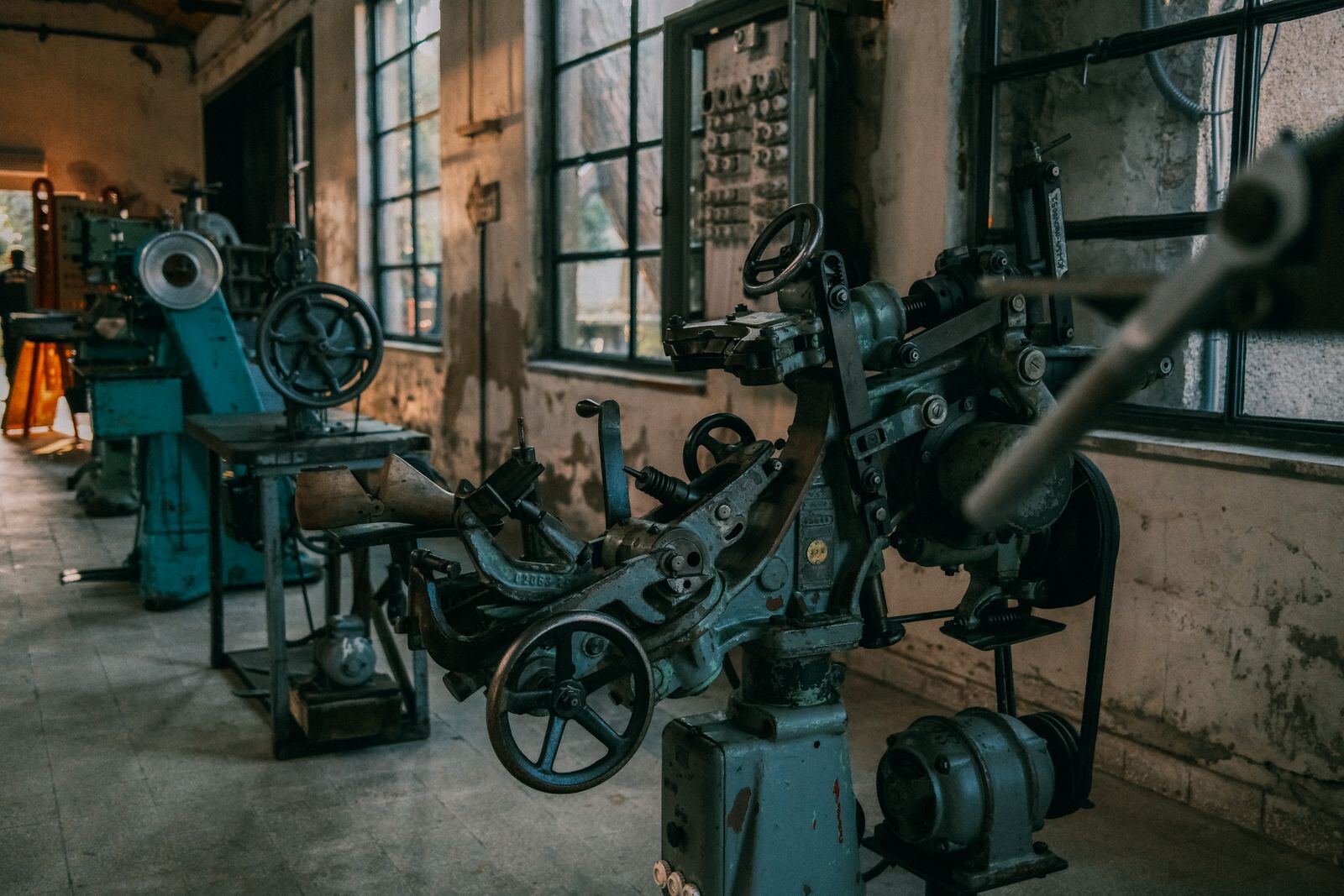
A firm that outgrows its unit on Halesfield or Stafford Park usually moves a few phases along to a bigger one. The new building gets a new layout and new machines to suit it, and the old press, the racking, the compressor sized for the old shop and the canteen fittings stay behind with a month left on the lease. That pattern, expansion rather than closure, is behind a lot of the surplus we sell in Telford. The rest comes from moulders and component makers whose contract has ended, and from food processors changing a line.
None of it needs the business to stop. We catalogue where the kit stands, sell it in an online timed auction over a week or two and book collection in slots. Buyers drive over from Wolverhampton, Shrewsbury, Stafford and Bridgnorth, and the M54 makes the rest of the country's hauliers a reasonable option too.
Growing into a bigger unit and what stays behind
The kit left in the old unit is often in the wrong order for a sale. The best machines went to the new building. What stays is the older press, the manual lathe kept for odd jobs, a compressor, racking, a mezzanine, the canteen fittings and a couple of pallets of components for a part that is no longer made.
It is worth more than sellers often expect, because the estates around it are full of firms that use the same kit. A small moulder can use the older press for a low volume job. A trade business on Tweedale or Heath Hill can use the lathe and the compressor. Racking goes in bays. We lot it for that market, with a viewing morning in the last weeks of the lease, collection before the lease ends and the unit handed back swept.
Obsolete components and packaging are listed in bulk. They will not make much, but a buyer removing them is cheaper than a skip.
Moulding ancillaries are lots in their own right
When a moulding contract ends, the seller thinks about the injection moulding machine and forgets everything bolted around it. Material dryers, chillers, temperature controllers, hopper loaders, granulators, sprue pickers and robots, and the tool racking the moulds sat on. Each has a market of its own and together they can be worth a surprising share of the sale.
We lot them separately, with make, model, capacity and year, and photograph control screens with the machine powered up where it can be run without risk and the supply is still live. The plastics trade across the West Midlands and the north west is within easy reach of an appointment day, and bidding is online. Moulds themselves usually belong to the customer, and we check ownership before any tool goes in the catalogue.
Food processors changing a line are much the same. Stainless conveyors, fillers, metal detectors and a packing machine are catalogued for processors elsewhere, provided the hygiene records and the last clean are in order.
What these sales can include
- Machine tools and CNC equipment
- Forklifts and access platforms
- Pallet racking and shelving
- Compressors and air tools
- Welders and fabrication kit
- Vehicles and trailers
- Test and measurement equipment
- Site accommodation and containers
- Packaging and labelling machines
- Obsolete stock and components
- Office furniture and IT
- Catering and canteen equipment
Selling from a live site
Most surplus sales happen inside a business that is still trading. That changes how we work. Cataloguing is done around your shifts. Viewing is by appointment or on a single day, with visitors signed in and escorted. Collection is booked in slots so that nobody is moving a machine through the middle of a production run.
Items that are still bolted down, plumbed in or connected to services are isolated by a competent person before collection, with electrical and gas disconnection done by qualified people. Buyers arrange and pay for the removal of their lots, and they do not disconnect services themselves.
Tell us about anything that affects access: weight limits on floors, door heights, crane availability, restricted hours. It all goes in the catalogue so buyers plan the removal properly.
The surplus equipment sales page covers what counts as surplus, one sale or a standing arrangement, pricing, reserves and the buyer's premium, after the sale.
Questions about selling in Telford
- We are staying in the same unit and only replacing one press. Is that too small a job?
It is not too small. A single machine goes into the next general sale alongside lots from other sellers, so it sits in the same catalogue as a full clearance. Cataloguing one machine is quick, the buyer's rigger collects it in a booked slot on a day you choose, and it is isolated and disconnected by qualified people beforehand. If you would rather the machine went to one buyer by private treaty, we will give you a view on which route is likely to do better.
- Our automotive customer owns some of the tooling in our shop. How do we keep that out of the sale?
Tell us at the first visit and we walk the shop with you marking what is yours and what is not. Customer owned tooling, moulds, jigs and fixtures are common in component shops and they never go in the catalogue. Anything on finance or lease remains the funder's property until it is settled and needs their written agreement before it is listed. The catalogue then covers only what you are free to sell, and our staff release lots on collection day against paid invoices, so nothing leaves that should not.
More questions about surplus equipment
Related services
Guides
- Preparing machinery and equipment for sale
What to do before viewing day. Keep the machines that can be run safely available to demonstrate, isolate the rest, clean but do not repaint, find the tooling and manuals, and sort out access for removal.
- How used machinery is valued
Buyers pay for what a machine will do for them, less what it costs to get it out and running. This guide explains how make, hours, tooling, demand and removal cost feed a guide price, and why that price is not book value.