 Britannia Auctions
Warehouse and logistics equipment sales in Bradford
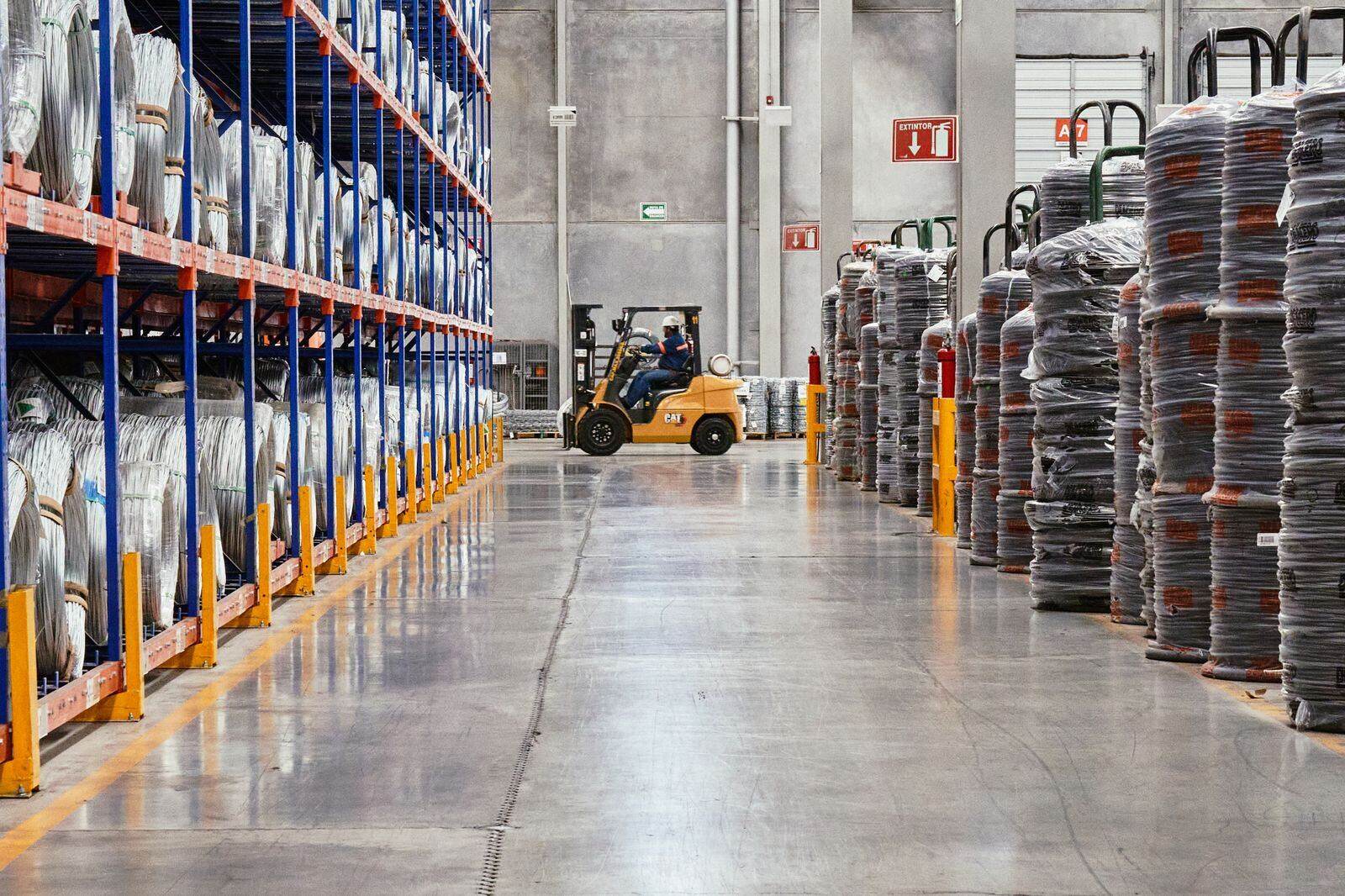
Two kinds of warehouse turn up in Bradford. The first is the parcel or distribution depot near the M606, fitted with sortation conveyors, dock levellers, hundreds of roll cages and a fleet of powered pallet trucks. The second is the store inside an older mill or a food factory at Dudley Hill or along Canal Road, with pallet racking on a first floor, a forklift that has never left the building and a yard that was laid out for horses.
We sell both by online timed auction. For the depot the job is scale and sequence, getting a large amount of standard equipment out in the right order. For the mill it is access, working out what can leave and how. Bidding is online and not limited to the area, and the trade in Leeds, Halifax, Huddersfield and Keighley is near enough to view in person. Use the contact form to tell us which kind of building you have and when it needs to be empty.
Parcel depots and the sortation line
A parcel depot near the M606 is mostly conveyor. Belt and roller sections, spiral chutes, scanners and the control panels that run them were installed as one system, and they sell best described as a system rather than a pile of parts. We record section lengths, belt widths, drive positions and the make of the control gear, and we photograph the line running if it still can. We market the line to parcel and fulfilment operators, to integrators who rebuild lines elsewhere and to dealers who break them for sections.
Around the conveyor sits the equipment that almost every warehouse uses. Roll cages are lotted in twenties or fifties to suit retailers and couriers. Dock levellers, shelters and yard ramps suit any operator with a loading bay. Powered pallet trucks are listed with their examination reports, because that is the first thing a bidder checks. Where the site visit finds flat ground and room for an articulated lorry, buyers can load from the dock, and the collection window is set from that rather than from the estate.
Mill stores with steep approaches
Some of the older mill sites in the district have tight yards and steep approaches, and for a warehouse sale that decides the plan. A three tonne forklift on a low loader needs a level place to load, and a steep cobbled yard is not one. Racking that came in through a goods door in sections will leave the same way.
We walk the route at the site visit, note the turning space, the door dimensions, the floor levels and the loading facilities, and put the findings in the catalogue so buyers know what the site needs before they bid. Where the store is upstairs, the route out decides the lotting, and removal arrangements follow the weight and dimensions of what is being moved. If the building makes collection too hard, the loose equipment can be collected to our premises and only the racking sold from the mill. Food producers in the same buildings add plastic pallets, pallet boxes and hygiene grade shelving, which suit the district's bakeries.
What these sales can include
- Counterbalance forklifts
- Reach trucks
- Powered pallet trucks
- Hand pallet trucks
- Pallet racking
- Mezzanine floors
- Longspan and cantilever shelving
- Conveyors and sortation
- Roll cages and stillages
- Stretch wrap machines
- Pallet scales
- Battery chargers
- Order pickers and stackers
- Dock levellers and loading equipment
How the sale runs
After a site visit we agree what is in the sale and what stays. We catalogue and photograph each lot, list the sale online and market it to warehouse operators, dealers and contractors. Bidders view on a set day, then bid online over the sale period, with lots closing in sequence.
Lots are offered as seen under the auction terms, with buyers expected to inspect before bidding. The buyer pays the hammer price plus a buyer's premium, with VAT charged where it applies and shown separately. We collect payment before release.
Collection runs over a window agreed with you. Buyers arrange and pay for the removal of their lots, with suitable handling equipment or specialist contractors where the item needs them. Our staff attend to release lots against paid invoices and see that dismantling is done safely.
The warehouse and logistics equipment sales page covers racking and how it comes down, forklifts and the records that matter, the small equipment adds up, timing a sale around a site handover.
Questions about selling in Bradford
- We are moving from Canal Road to a larger unit and want to keep some of the racking. Can you sell the rest?
Yes. At the site visit we tag the runs that move with you and leave them out of the catalogue. The rest is lotted by run with heights and beam ratings. If the racking you keep is mixed in with the racking you sell, we agree a dismantling order so the buyer's contractor takes only what they bought. Selling the surplus before the move also frees floor space in the new unit, because you are not paying to shift racking twice.
- Our bakery has hygiene grade shelving and plastic pallets. Is there a market for those?
There is, and much of it is close by. Bradford has many food producers, and stainless and plastic shelving, plastic pallets, pallet boxes and wash down pallet trucks are the kind of thing they use. We lot shelving in bays, pallets in stacks and pallet boxes in tens so a small producer can bid for what they need. Condition counts for as much as price in this trade, so lots should be clean for the viewing day. Stretch wrappers and pallet scales from the dispatch area suit the same bidders.
More questions about warehouse equipment