 Britannia Auctions
Warehouse and logistics equipment sales in London
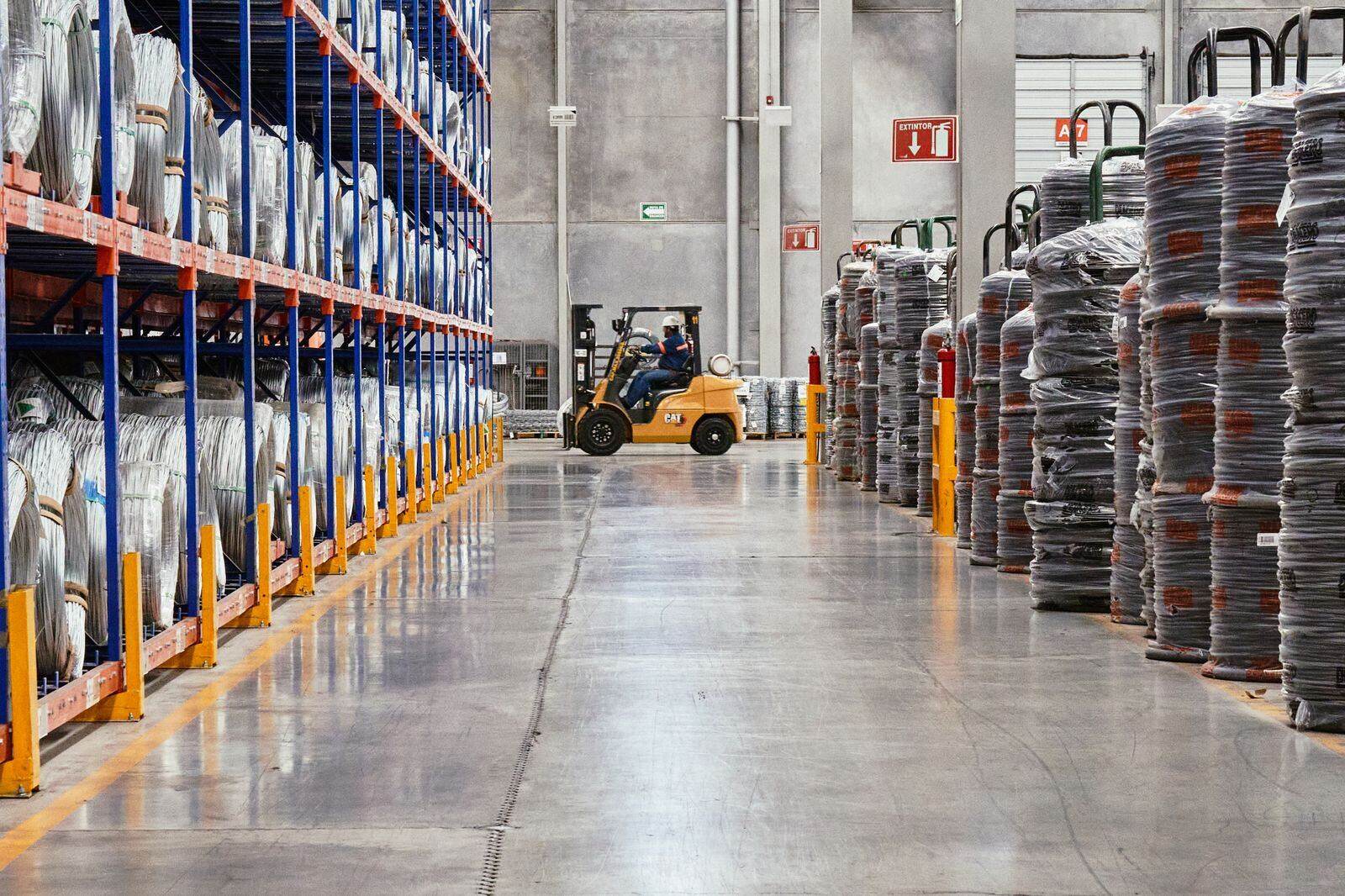
Floor space in London costs more than anywhere else in the country, and that changes how a warehouse sale is judged. Equipment left standing in a unit at Park Royal or Brimsdown loses value and holds a lease open at the same time. Food producers and printers at Park Royal in the west and logistics yards at Dagenham Dock and Barking in the east produce the same instruction: sell the racking and the trucks, and get the unit back to the landlord.
We sell warehouse and logistics equipment by online timed auction, on site where the unit allows and from our own premises where it does not. Bidding is online and open across the UK, and the trade in Croydon, Romford, Enfield and Slough is within reach of a viewing day. Large vehicles coming in to collect must comply with the Low Emission Zone and the Direct Vision Standard, and we plan collection with that in mind. Tell us through the contact form what the unit holds and when the lease ends.
Collection lorries and the vehicle rules
A racking buyer's contractor or a haulier sent for a forklift needs a lorry that meets the Low Emission Zone standard and, for anything over twelve tonnes, a Direct Vision Standard permit. A haulier who works in London regularly will have both, but one from further away may not, and if the wrong vehicle arrives the lot does not leave. We say in the catalogue that collection is inside the zone, we remind buyers at the point of payment and we ask for the collecting vehicle's details before the collection day. That is a little admin that saves a wasted trip.
Where the unit is on a tight road, we add the practical limits from the site visit as well, such as the largest vehicle that can reach the door, the turning space, the door dimensions and whether there is a forklift to load with. Buyers price collection into their bids, so those findings belong in the catalogue rather than on the collection day.
Small units, short leases and the rent that keeps running
London warehouses are often small and let on leases with a break coming up, and the seller's arithmetic is simple. Every week the unit stays full is another week of rent and rates in the most expensive industrial market in the country. So the sale is planned for pace. A site visit within days, a catalogue in the first week, bidding over a week to ten days with a viewing day, and a collection window after it. For a small unit that can mean about a month from the first call, depending on the lot count, the access and how quickly buyers pay and collect.
The equipment is ordinary and that helps. Pallet racking, longspan shelving, a counterbalance or a reach truck, hand pallet trucks and roll cages are what the thousands of small operators inside the M25 fit out with, and collection from Enfield costs them less than transport from further off. Food producers use plastic pallets and stainless shelving, printers use reel handling kit, couriers use roll cages, and dealers trade the trucks.
What these sales can include
- Counterbalance forklifts
- Reach trucks
- Powered pallet trucks
- Hand pallet trucks
- Pallet racking
- Mezzanine floors
- Longspan and cantilever shelving
- Conveyors and sortation
- Roll cages and stillages
- Stretch wrap machines
- Pallet scales
- Battery chargers
- Order pickers and stackers
- Dock levellers and loading equipment
How the sale runs
After a site visit we agree what is in the sale and what stays. We catalogue and photograph each lot, list the sale online and market it to warehouse operators, dealers and contractors. Bidders view on a set day, then bid online over the sale period, with lots closing in sequence.
Lots are offered as seen under the auction terms, with buyers expected to inspect before bidding. The buyer pays the hammer price plus a buyer's premium, with VAT charged where it applies and shown separately. We collect payment before release.
Collection runs over a window agreed with you. Buyers arrange and pay for the removal of their lots, with suitable handling equipment or specialist contractors where the item needs them. Our staff attend to release lots against paid invoices and see that dismantling is done safely.
The warehouse and logistics equipment sales page covers racking and how it comes down, forklifts and the records that matter, the small equipment adds up, timing a sale around a site handover.
Questions about selling in London
- Our lease at Brimsdown ends in five weeks. Is that enough time for an auction?
It should be, if we start this week. Five weeks allows a site visit and catalogue in the first week, bidding over the second and third with a viewing day near the close, and collection in the fourth, which leaves a few days to make good the floor before the landlord's inspection. Racking has to come down, the buyer arranges and pays for that, and we agree the order with you. If the equipment cannot be sold from the unit in time, it can be collected to our own premises and sold from there after the keys go back.
- Will buyers from outside London come in to collect, given the charges?
For lots worth the journey, yes. A reach truck or a long run of racking can carry the cost of a compliant lorry and the zone charges for a dealer in Watford or Dartford, and hauliers who serve London routinely run compliant vehicles. Small lots are collected by van, and vans fall outside the Direct Vision Standard. We set out in the catalogue what applies, so nobody bids without knowing what collection costs.
More questions about warehouse equipment