 Britannia Auctions
Business closure auctions in Bristol
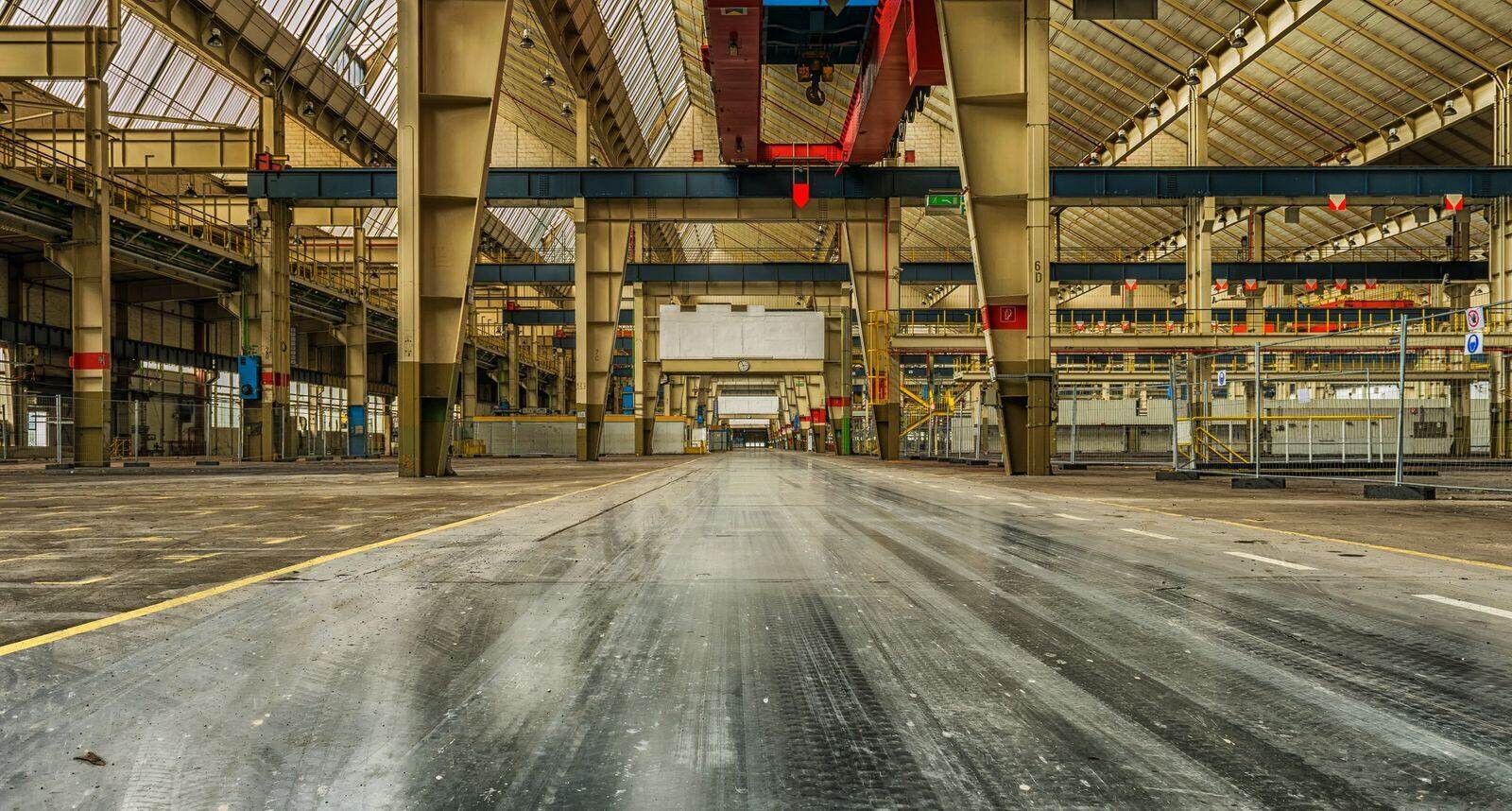
Two kinds of closure keep us busy around Bristol. The first is on the north fringe, where machining and composite shops built around aerospace work lose a package and find themselves with autoclaves, five axis machines, layup rooms and a freezer full of prepreg in a unit whose lease is coming up. The second is at Avonmouth and Severnside, where a distribution operation ends a contract and leaves a shed with racking to the roof, a fleet of forklifts, a bank of dock levellers and a yard of trailers.
We sell both, online, on a fixed timetable, with a viewing day on site. Bidding is online and open nationally and beyond, and the trade in Bath, Yate, Weston and Thornbury is close enough to attend a viewing day. Aerospace machines are described in enough detail for a bidder who cannot travel.
Send us the list and the handback date and we will say how it can be done.
Composite shops, autoclaves and the tooling nobody else can use
Composite plant reaches a narrower set of trades than a machine shop. Autoclaves, curing ovens, walk in freezers, clean room panels and ply cutters are used in motorsport, marine, rail and wind energy as well as aerospace, and a thorough catalogue is what lets someone bid without a visit. We photograph the control systems and the calibration certificates, list the chamber sizes and the last pressure test, and describe what the buyer has to disconnect.
The layup tooling is different. Moulds made to a prime contractor's drawing usually belong to the prime, and even where they are yours they have no use outside that part. They go back to the customer or into the scrap lot, and we settle which at the first visit.
Machining firms on the north fringe are simpler. CNC mills and lathes with the tooling and inspection kit sell to the general engineering trade, and the approvals that hung on the wall go with you, not the machines.
Avonmouth sheds clear in days, inner city sites take planning
A distribution shed on the port estate is the simplest kind of closure sale to plan. Dock doors, a level yard and the M5 at the end of the road usually mean a short collection window for racking, forklifts, pallet trucks and trailers, and we confirm the yard, the doors and the turning space during our first visit before we set it. Racking is sold in bays with the buyer to dismantle. Forklifts go under their own power onto transport. Stock that the customer has not collected is kept apart from the first day.
The inner city is a different job. Workshops in St Philips Marsh and Brislington are often on a street with parking on both sides, so we measure the approach, the door and the standing space and write what we find into the catalogue. Where a low loader cannot reach, a hiab on an agreed morning may suit, or the heavy lots can come to our own premises and sell from there.
Either way the empty date is agreed first and the collection days planned back from it.
What these sales can include
- Production machinery
- Finished goods and raw materials
- Warehouse racking
- Forklifts and handling equipment
- Vans, trucks and trailers
- Office furniture and computers
- Workshop tools and benches
- Compressors and site services
- Catering equipment
- Retail fittings and display units
- Vehicle lifts
- Packaging machinery
How we run the sale
We visit, agree the scope and catalogue the lots on site. Everything from the main machines down to the contents of the stores can be included. Small items are grouped into sensible lots so that nothing is left behind.
The sale runs online as a timed auction. Bidders register, view the lots on a set viewing day at your premises, and bid until the closing time. Lots close in sequence, and a late bid extends the closing time on that lot.
Buyers pay the hammer price plus the buyer's premium, with VAT charged where it applies and shown separately on the invoice. They pay us, and you are paid once the sale is reconciled and the collection window has closed, from cleared funds. The auction terms set out what happens if a buyer does not pay or collect. The details for your sale are explained when we discuss it.
The business closure auctions page covers closure sales and the pressure of the date, who needs to agree before you sell, stock, records and the things people forget, collection, clearance and the empty building, when a closure sale is not the answer.
Questions about selling in Bristol
- Our prepreg freezer is full of material with a shelf life. Does it sell?
Usually, if the cold chain is documented. Prepreg with a known out life and a freezer log can be lotted for other composite shops and for dealers supplying motorsport and marine firms, and the freezer is sold afterwards. Material that has been out of the freezer for unknown periods is not worth listing and goes for disposal. Pull the freezer log together before the visit and we will tell you what is worth listing.
- We import vehicles through Avonmouth and have a compound of unsold cars. Can vehicles go in the same auction as the workshop?
Yes. Cars, vans and trailers sell alongside the racking and workshop kit in one timed sale, each with its own lot and its own V5 or registration document. A vehicle on stocking finance remains the funder's property until it is settled, so it can only be listed with their agreement, and where they agree the settlement figure is usually paid from the proceeds. Vehicles are collected on a transporter or driven out, and a compound with a wide gate suits either.
More questions about closure auctions
Related services
Guides
- Closing a business: a timeline for selling the assets
Work backwards from the day you hand the site over. This guide covers lease end and dilapidations, when to instruct, when staff should leave, when to keep the power on, and how to leave enough room for collection and making good.