 Britannia Auctions
Business closure auctions in Doncaster
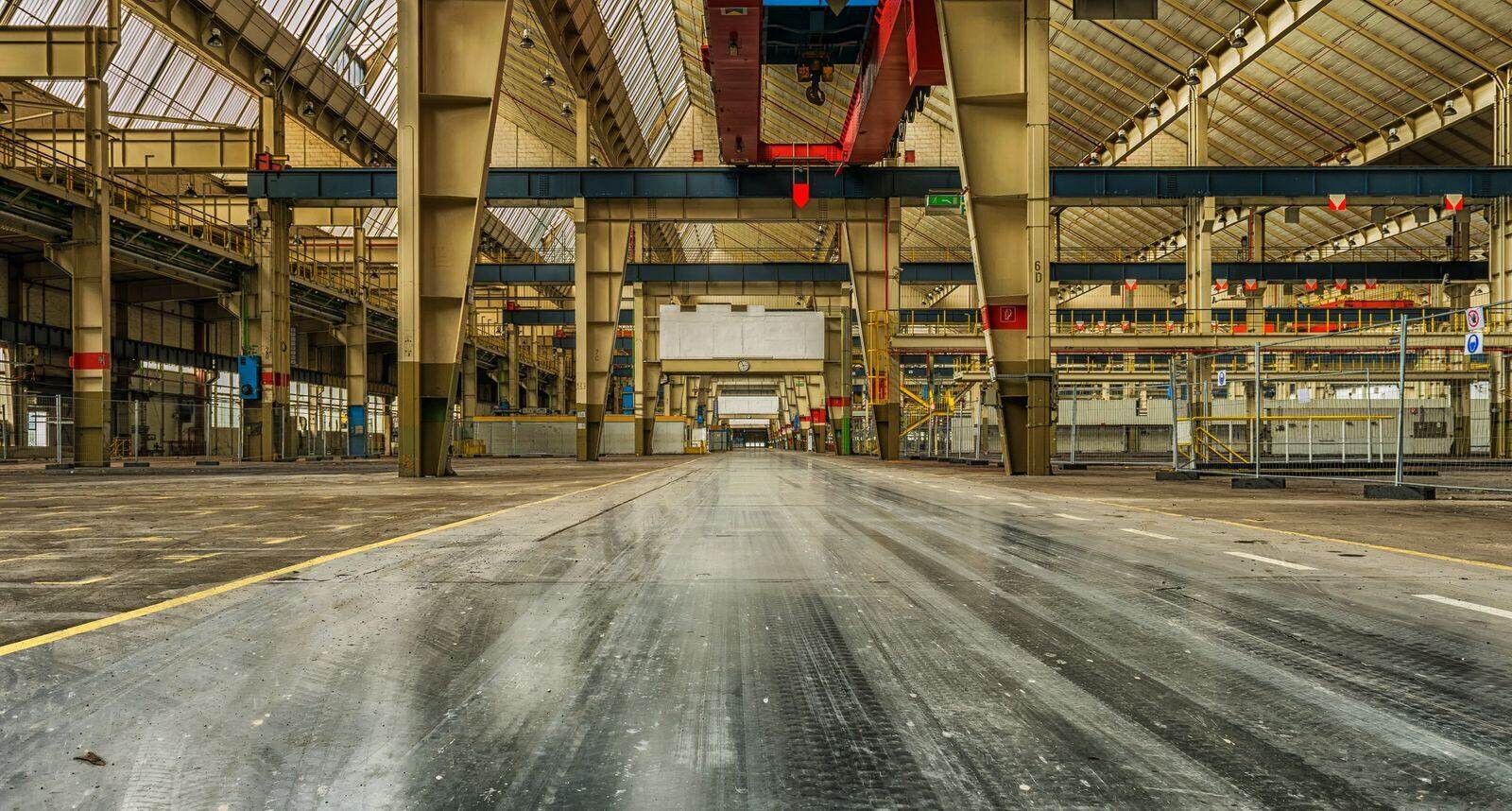
Rail workshops close differently from most businesses. The plant inside was installed to last decades and some of it, a wheel lathe, a bogie drop, a pit jack set and an overhead crane, has never moved since. When the maintenance contract goes elsewhere the workshop at Kirk Sandall or Wheatley Hall Road still has to be handed back on the lease date, and the plant has to come out through doors that were built for a locomotive, not a lorry. On the newer estates the closures are warehouses, and out on the edge of the borough they are plant hire yards and machinery dealers.
We run all of these as online timed auctions with a viewing day and a fixed collection window. Online bidding opens the sale to the rest of the country, and the trade at Rotherham, Barnsley, Sheffield and Wakefield, and at Scunthorpe and Goole to the east, is well placed for the viewing day.
Tell us the handback date and what is inside.
Rail workshops hold plant that moves once
A rail maintenance workshop holds a mix of plant that most engineering buyers never see. Wheel lathes, bogie presses, lifting jacks rated in tens of tonnes, overhead cranes and pit equipment are used by rail contractors and heavy engineering firms, and bidding for them is online and not limited to the area. Removal is a rigging job, and the lot description says that the buyer arranges and pays for it and for making good the floor.
Around the heavy plant sits the general workshop, and that goes to the local trade in vans. Welding sets, saws, drills, tool cabinets, the stores and the fork trucks all sell, along with the stock of consumables that a rail contractor keeps in quantity.
Glass works and steel fabricators on the same estates close with their own version of this. Furnace plant has a narrow market and often stays with the building by agreement. Fabrication kit, cranes, forklifts and the steel in the rack are lotted for the trade at Sheffield and Rotherham and for bidders further out.
Plant yards on the outskirts and buyers who come with a low loader
Plant hire yards and agricultural machinery dealers around the edge of the borough close with the stock in the yard. Excavators, dumpers, telehandlers, compactors, tractors and implements are the lots that carry most of the value, and a buyer arranges and pays for the low loader. We photograph hours, plates, serial numbers and tyre condition, ask about finance on every machine and describe the faults we find, because bidding is online and a lot may be bought without a visit.
The hire side leaves paperwork behind. Machines out on hire when the closure is announced have to be recovered before the viewing day or left out of the sale, and machines on finance need the lender's consent.
The A1(M) and the M18 keep the run in short, and hauliers reach iPort and West Moor Park without touching the town. We still check the gate, the yard surface and the turning space when we walk the site, because those decide how long the collection window has to be.
What these sales can include
- Production machinery
- Finished goods and raw materials
- Warehouse racking
- Forklifts and handling equipment
- Vans, trucks and trailers
- Office furniture and computers
- Workshop tools and benches
- Compressors and site services
- Catering equipment
- Retail fittings and display units
- Vehicle lifts
- Packaging machinery
How we run the sale
We visit, agree the scope and catalogue the lots on site. Everything from the main machines down to the contents of the stores can be included. Small items are grouped into sensible lots so that nothing is left behind.
The sale runs online as a timed auction. Bidders register, view the lots on a set viewing day at your premises, and bid until the closing time. Lots close in sequence, and a late bid extends the closing time on that lot.
Buyers pay the hammer price plus the buyer's premium, with VAT charged where it applies and shown separately on the invoice. They pay us, and you are paid once the sale is reconciled and the collection window has closed, from cleared funds. The auction terms set out what happens if a buyer does not pay or collect. The details for your sale are explained when we discuss it.
The business closure auctions page covers closure sales and the pressure of the date, who needs to agree before you sell, stock, records and the things people forget, collection, clearance and the empty building, when a closure sale is not the answer.
Questions about selling in Doncaster
- Some of our machines are still out on hire with customers. Can they be included?
Only once they are back in the yard. A machine on hire cannot be viewed, cannot be handed over during the collection window and may be damaged or altered by the time it returns. Give your hire customers notice as soon as the closure date is fixed and set the off hire date before our viewing day. Machines that come back late can go into a later sale or be sold by private treaty once we have seen them.
- The overhead cranes in the workshop are bolted to the building steelwork. Do they sell?
Usually, but check the lease first. Cranes and their runway beams are often landlord's fixtures and have to stay. Where the crane is yours, it sells to a fabricator or an engineering firm who sends a rigger to bring it down, and the lot description says that the buyer pays for the removal and for making good. Have the electrical supply isolated by a qualified electrician before the collection days, and keep the rest of the power on for the other lots.
More questions about closure auctions
Related services
Guides
- Closing a business: a timeline for selling the assets
Work backwards from the day you hand the site over. This guide covers lease end and dilapidations, when to instruct, when staff should leave, when to keep the power on, and how to leave enough room for collection and making good.