 Britannia Auctions
Business closure auctions in Edinburgh
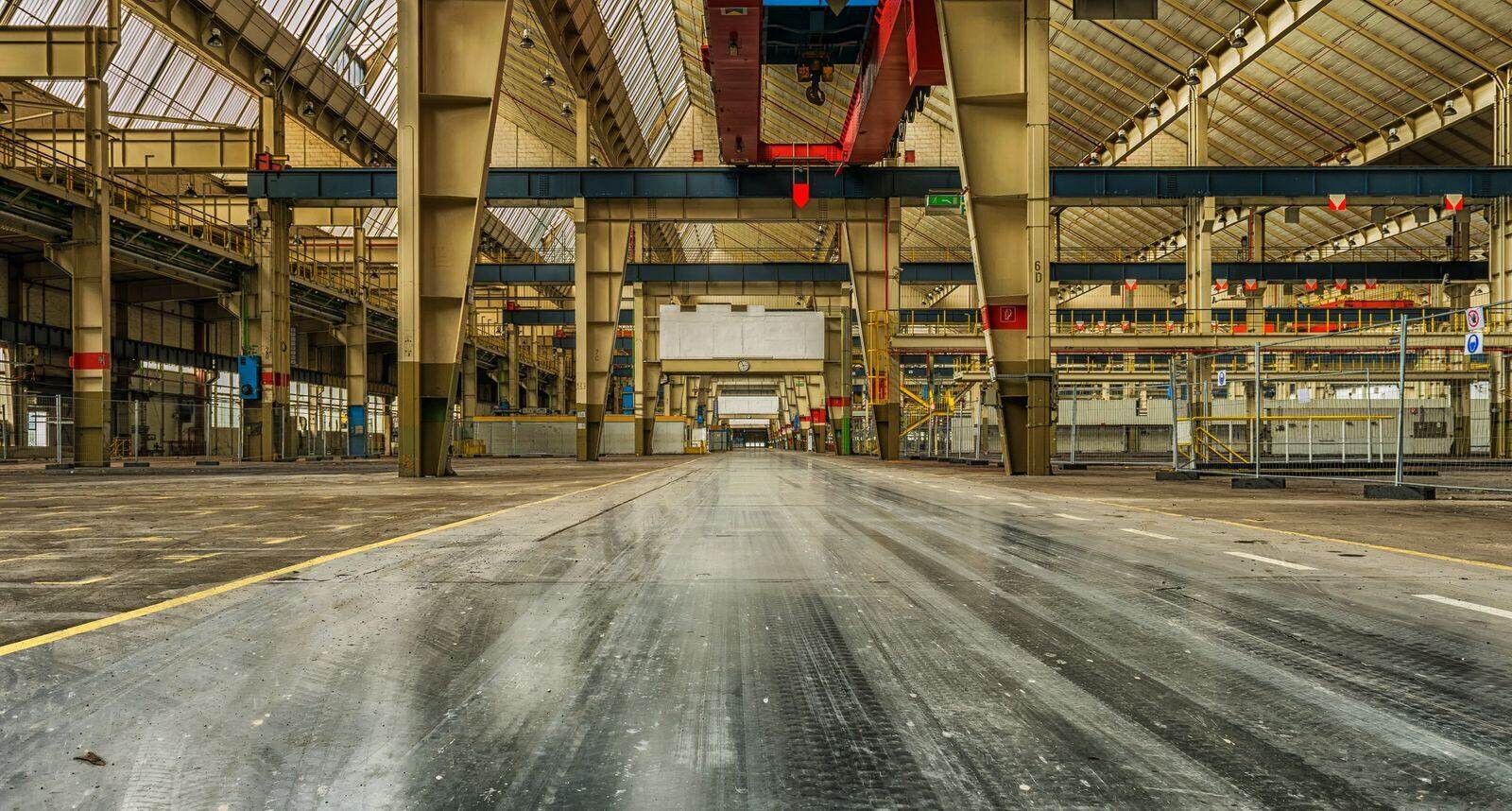
A construction contractor does not close on one site. The yard at Sighthill or Loanhead holds the plant that came back, the vans, the site cabins and years of small tools, and the rest is still out on jobs across the Lothians when the decision is made. Getting it all in one place, catalogued and sold before the yard lease ends is the job.
We do that as a single online timed auction. Excavators, dumpers, telehandlers and compaction plant are photographed and listed with hours and serial numbers. Vans sell with their V5s. Small tools are grouped into lots that a tradesman will bid on. The auction is online and open to buyers from any part of the country, and the trade at Livingston, Dalkeith, Dunfermline and Bathgate is close enough to inspect the lots before the sale closes. Buyers arrange their own transport for collection.
Send us the yard location and the date the landlord wants it back.
Contractors' yards and the small tools that add up
The big plant is the straightforward part to value and describe. The long tail is what gets overlooked. Breakers, cutters, mixers, lasers, generators, ladders, trench boxes, fencing, signage and the contents of every van add up to a large share of the sale and would take months to sell any other way. We lot them in sensible groups, photograph each lot on a pallet and let the trade bid. Plant hire firms and contractors across the Lothians and Fife use this kind of kit, and a pallet lot is an easy thing for them to collect.
Site accommodation and welfare units sell as single lots and are lifted onto transport by the buyer's hiab.
Vehicle workshops and food units in the same estates follow the same method. A vehicle lift, a compressor, a chiller and a walk in cold room are sold with the buyer to remove, and the rest goes by the lot.
Older units by the port and the sheds out west
Access shapes the timetable, and we settle it by measuring rather than by postcode. The western estates at Sighthill and Newbridge sit close to the bypass and the M8. The older units at Seafield and around Leith often have narrow yards, shared access and on street parking, and marine trades put heavy kit behind those doors. On the first visit we check vehicle access, turning space, loading facilities, door dimensions and floor levels, and the collection window follows from what we find.
We look at the access during our first visit and write the removal method into the catalogue for any lot that needs a crane or a road closure. Where a lot cannot leave in the time the lease allows, we take it to our own premises and sell it from there.
The bypass and the Queensferry Crossing put Fife and the Lothians within about an hour, so a buyer there can choose between their own vehicle and a haulier.
What these sales can include
- Production machinery
- Finished goods and raw materials
- Warehouse racking
- Forklifts and handling equipment
- Vans, trucks and trailers
- Office furniture and computers
- Workshop tools and benches
- Compressors and site services
- Catering equipment
- Retail fittings and display units
- Vehicle lifts
- Packaging machinery
How we run the sale
We visit, agree the scope and catalogue the lots on site. Everything from the main machines down to the contents of the stores can be included. Small items are grouped into sensible lots so that nothing is left behind.
The sale runs online as a timed auction. Bidders register, view the lots on a set viewing day at your premises, and bid until the closing time. Lots close in sequence, and a late bid extends the closing time on that lot.
Buyers pay the hammer price plus the buyer's premium, with VAT charged where it applies and shown separately on the invoice. They pay us, and you are paid once the sale is reconciled and the collection window has closed, from cleared funds. The auction terms set out what happens if a buyer does not pay or collect. The details for your sale are explained when we discuss it.
The business closure auctions page covers closure sales and the pressure of the date, who needs to agree before you sell, stock, records and the things people forget, collection, clearance and the empty building, when a closure sale is not the answer.
Questions about selling in Edinburgh
- Our plant is spread across live sites around the Lothians. Do we have to bring it all back to the yard?
For the viewing and the sale, yes, as far as the contracts allow. Buyers pay more for a machine they can start and walk round, and it is far simpler to release lots from one yard than from six sites. If a job runs past the sale date, we sell that machine with a later collection slot or by private treaty when it returns. Tell us what is where and when each job finishes, and we will plan around it.
- Do buyers from Fife and the Lothians actually come to a viewing, or is it all online?
Both are provided for. The bidding runs online and is not limited to the area, so a lot can be bought by someone who never visits, which is why the catalogue carries hours, plates and the faults we find. The viewing day is there for anyone who wants to start a machine and look in the cabins before bidding. We hold it at your yard on a weekday, and our staff are there to answer questions.
More questions about closure auctions
Related services
Guides
- Closing a business: a timeline for selling the assets
Work backwards from the day you hand the site over. This guide covers lease end and dilapidations, when to instruct, when staff should leave, when to keep the power on, and how to leave enough room for collection and making good.