 Britannia Auctions
Business closure auctions in Glasgow
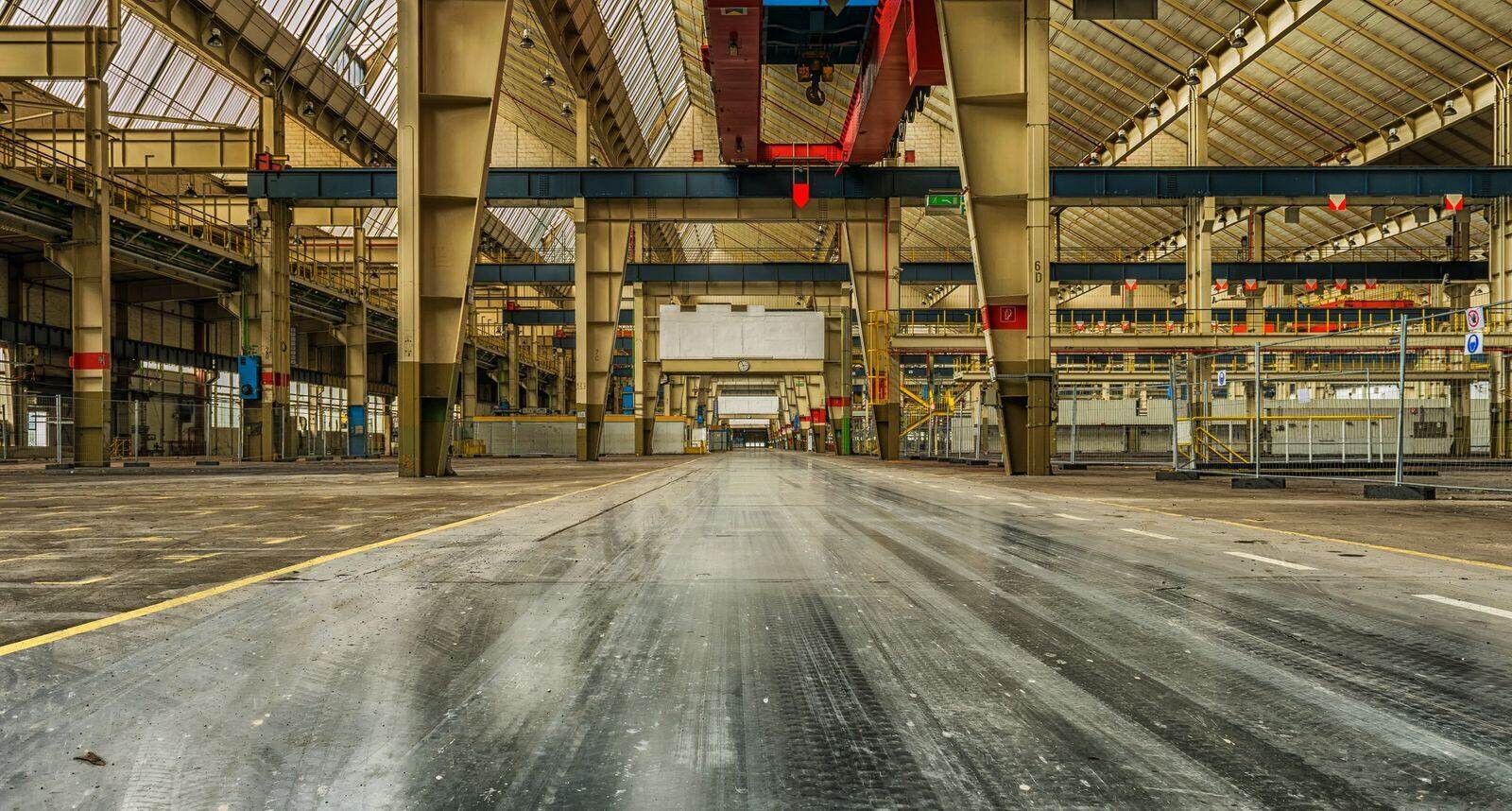
Glasgow and the towns around it hold a dense mix of engineering firms, vehicle workshops, food producers and depots, so the trades that use the contents of a unit at Hillington or Queenslie are close by. Paisley, East Kilbride, Motherwell and Cumbernauld are all on the motorway ring and a short trip from the viewing day, and online bidding opens the sale to bidders well beyond the area.
We catalogue on site, run the sale as an online timed auction with a viewing day and put the removal in the hands of the buyers. Vehicle lifts, machine tools, racking, forklifts and stock all go in one sale. Our staff are there for the collection days to release lots against paid invoices.
Tell us the term date on the lease and what is in the unit.
Vehicle workshops close with the lifts still in the floor
Motor trade closures are common around Hillington and in the east of the city, and they have a shape of their own. Two post and four post lifts are bolted to the slab and sometimes cast into it. Paint booths are fixed to the building with extraction through the roof. Tyre machines, wheel balancers, diagnostic kit, compressors and the tool chests along the wall are the easy part. The lifts and the booth are what the landlord wants gone.
All of it is lotted. Lifts go to other garages and to the dealers who refurbish them, and the buyer unbolts them. Booths are offered as one lot with the burner and the extraction, with dismantling as the buyer's job and a longer collection slot to allow for it. Parts stock and tyres are lotted by the shelf.
The same order applies to a fabrication shop or a food unit. Free standing kit first, fixed plant last, and the power kept on until the end.
Working to a Scottish term day
Commercial leases in Scotland often end on a term day, and the notice periods are long, so the empty date is usually known months ahead. That is an advantage. A sale that closes two or three weeks before the term, with collection in the week after, normally leaves time to deal with anything unsold and hand back a clean unit, depending on how many lots there are and how they have to leave. Leave it until the last month and the choice narrows to whatever can be done quickly.
The motorway network keeps the run in short. Low loaders reach Hillington from the M8 and Clydesmill from the M74 without going through the centre. What sets the length of the collection window is the yard, the door and the number of heavy lots, and we measure those first.
Where a unit is hard to reach or the term date is too close, we move the lots to our own premises and sell from there, and the keys go back on the day.
What these sales can include
- Production machinery
- Finished goods and raw materials
- Warehouse racking
- Forklifts and handling equipment
- Vans, trucks and trailers
- Office furniture and computers
- Workshop tools and benches
- Compressors and site services
- Catering equipment
- Retail fittings and display units
- Vehicle lifts
- Packaging machinery
How we run the sale
We visit, agree the scope and catalogue the lots on site. Everything from the main machines down to the contents of the stores can be included. Small items are grouped into sensible lots so that nothing is left behind.
The sale runs online as a timed auction. Bidders register, view the lots on a set viewing day at your premises, and bid until the closing time. Lots close in sequence, and a late bid extends the closing time on that lot.
Buyers pay the hammer price plus the buyer's premium, with VAT charged where it applies and shown separately on the invoice. They pay us, and you are paid once the sale is reconciled and the collection window has closed, from cleared funds. The auction terms set out what happens if a buyer does not pay or collect. The details for your sale are explained when we discuss it.
The business closure auctions page covers closure sales and the pressure of the date, who needs to agree before you sell, stock, records and the things people forget, collection, clearance and the empty building, when a closure sale is not the answer.
Questions about selling in Glasgow
- Our paint booth has extraction through the roof and the landlord wants the roof made good. Who does that?
The booth buyer removes the booth and the ductwork, because that is written into the lot. Making good the roof penetration is normally the tenant's obligation under the lease, so it falls to you or a contractor you appoint, and it should be done after the booth is out and before the handback inspection. We time the booth removal early in the collection window so there is room for that work before the term date.
- We are in Queenslie with a lease that ends at Martinmas. How early should we call you?
As soon as the decision is made. A closure sale needs a visit, a catalogue, a bidding period and a collection window, in that order, and each takes time. Calling in the summer for a November term leaves room to sell at a sensible pace and to deal with anything on finance. Calling in October means a compressed sale and fewer options. The earlier we see the building, the more of the timetable is still yours to choose.
More questions about closure auctions
Related services
Guides
- Closing a business: a timeline for selling the assets
Work backwards from the day you hand the site over. This guide covers lease end and dilapidations, when to instruct, when staff should leave, when to keep the power on, and how to leave enough room for collection and making good.