 Britannia Auctions
Business closure auctions in Hull
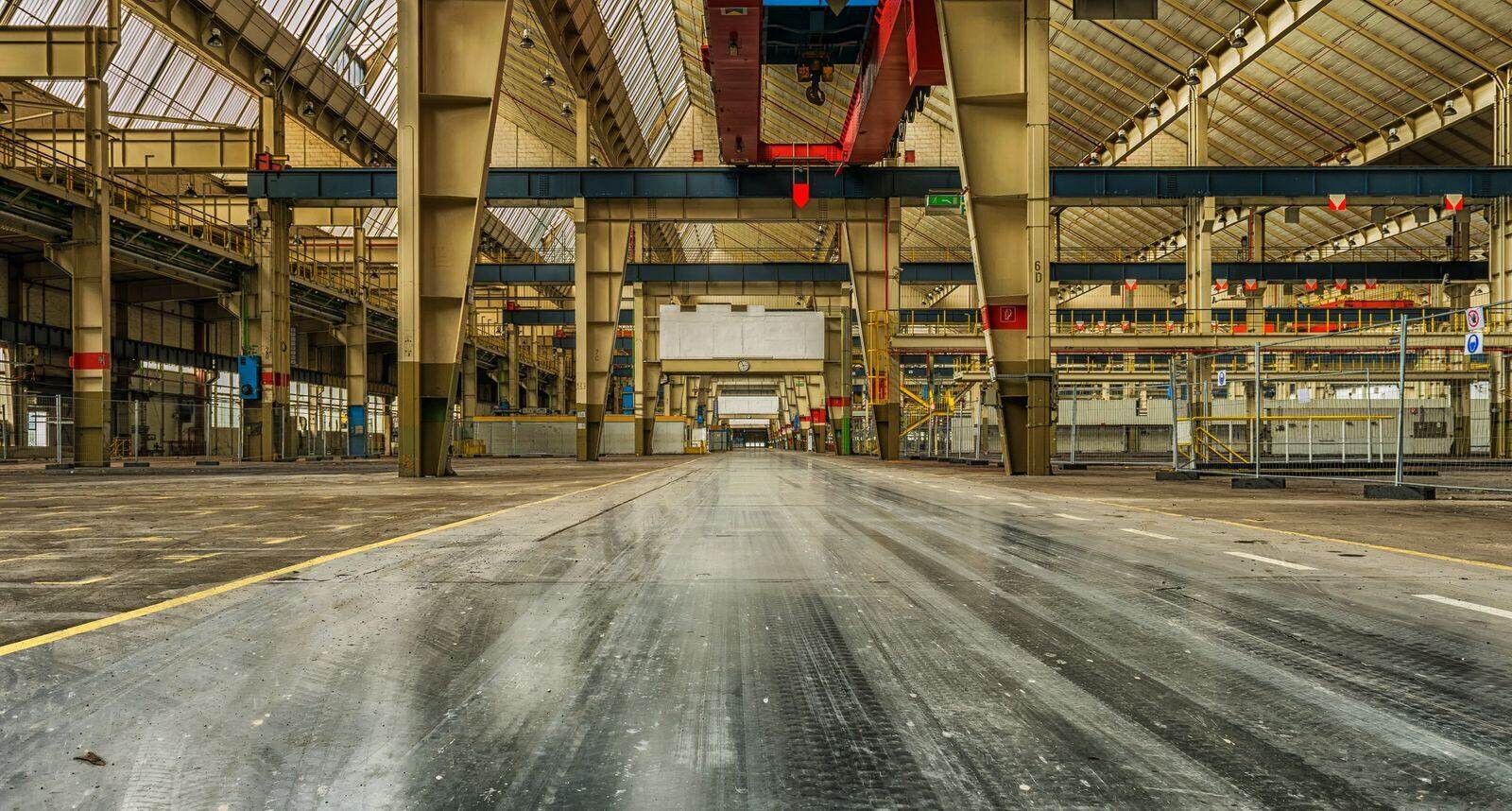
The caravan trade builds for the spring season, so a supplier's order book can be thin by the autumn. The joinery, upholstery, chassis and trim shops feel that before the factories do. When one of those suppliers decides not to reopen after the winter, it leaves a unit on Sutton Fields or at Priory Park full of CNC routers, edge banders, sewing machines, foam cutters and the board and fabric bought for orders that will not now be placed.
We turn that into a closure sale. Everything is catalogued on site and sold online in a timed auction with a viewing day for the trade. Bidding is online and open nationally, and the trade at Beverley, Goole, Driffield and Hedon, and across the Humber Bridge in Lincolnshire, is close enough to walk the lots on the viewing day. Joinery machines are described so that someone who never visits East Yorkshire can bid on them.
Tell us the handback date and what is in the unit.
Woodworking and sewing kit from the caravan supply chain
A caravan joinery shop is a furniture factory with a shorter product. Beam saws, CNC routers, edge banders, wide belt sanders, spray booths and dust extraction are used by kitchen makers, shopfitters, boat builders and other joiners well beyond the holiday home trade, so the catalogue reaches further than the local supply chain. Upholstery shops are similar. Industrial sewing machines, foam cutters, cushion filling machines and cutting tables suit furniture makers and smaller upholsterers, so we lot them one machine at a time.
Chassis and metalwork suppliers bring welding sets, jigs, press brakes and fork trucks to the sale, and their jigs are the one thing with no market outside the model they were built for. We sell those as steel.
Stock is the part sellers forget. Board, laminate, foam and upholstery fabric bought to a caravan maker's specification will not go back to the supplier, and it is lotted by the pallet for other users rather than skipped.
Extraction, booths and the fixed plant that comes out last
Dust extraction, spray booths, compressed air and the heating are fixed to the building, and the lease usually says they must go. They sell, but a competent contractor has to take them down, and they cannot come down until every machine that runs off them has left. So the collection order is agreed with you before the sale opens. It often suits to release the small lots and hand tools first and the free standing machines next, leaving the extraction and the booth until the buyer's contractor can work with the power still on.
Sutton Fields and Priory Park were laid out later than the older sites at Stoneferry, but we measure the road, the yard and the door on every one of them and put the answer in the catalogue. Where a machine cannot be got out in the time the lease allows, it can come to our own premises and sell from there.
Haulage units on Hedon Road hold less that needs rigging. Racking, forklifts, pallet trucks and trailers mostly leave on their own wheels or in one lorry, which usually makes for a short collection window.
What these sales can include
- Production machinery
- Finished goods and raw materials
- Warehouse racking
- Forklifts and handling equipment
- Vans, trucks and trailers
- Office furniture and computers
- Workshop tools and benches
- Compressors and site services
- Catering equipment
- Retail fittings and display units
- Vehicle lifts
- Packaging machinery
How we run the sale
We visit, agree the scope and catalogue the lots on site. Everything from the main machines down to the contents of the stores can be included. Small items are grouped into sensible lots so that nothing is left behind.
The sale runs online as a timed auction. Bidders register, view the lots on a set viewing day at your premises, and bid until the closing time. Lots close in sequence, and a late bid extends the closing time on that lot.
Buyers pay the hammer price plus the buyer's premium, with VAT charged where it applies and shown separately on the invoice. They pay us, and you are paid once the sale is reconciled and the collection window has closed, from cleared funds. The auction terms set out what happens if a buyer does not pay or collect. The details for your sale are explained when we discuss it.
The business closure auctions page covers closure sales and the pressure of the date, who needs to agree before you sell, stock, records and the things people forget, collection, clearance and the empty building, when a closure sale is not the answer.
Questions about selling in Hull
- The caravan makers cut their orders every autumn. Is there a better time of year to hold the sale?
The lease date matters more than the season. Joinery and sewing machines are used by trades that do not follow the caravan calendar, so the catalogue is not tied to the season. If you have a choice, closing the sale before the factories' winter shutdown leaves other local suppliers with staff on hand to collect. But we would not hold a unit open and paying rent to wait for a better month.
- Our board and foam stock was cut to one customer's spec. Will anyone else want it?
Full sheets and uncut foam blocks are worth lotting whatever they were bought for, because other joiners and upholsterers use the same materials. We offer them by the pallet. Part cut or shaped components suit fewer buyers and usually go as mixed lots to someone who can rework them. Check whether the customer paid for any of it. Free issue material belongs to them and goes back before we catalogue.
More questions about closure auctions
Related services
Guides
- Closing a business: a timeline for selling the assets
Work backwards from the day you hand the site over. This guide covers lease end and dilapidations, when to instruct, when staff should leave, when to keep the power on, and how to leave enough room for collection and making good.