 Britannia Auctions
Business closure auctions in Liverpool
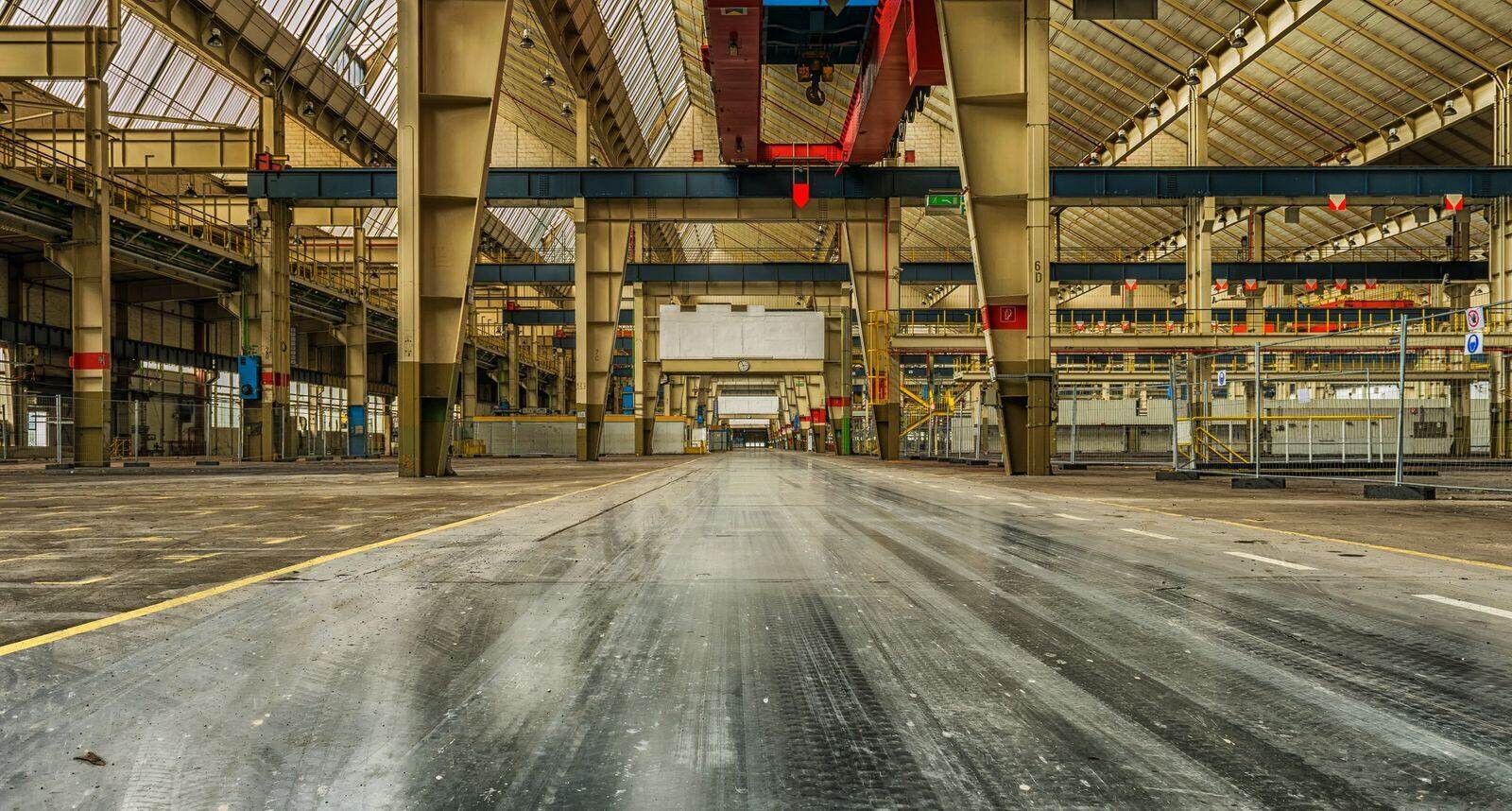
Freight businesses close when a shipping line changes its schedule or a big customer moves its cargo to another port. In Liverpool that leaves a haulage yard at Bootle or Kirkby with trailers, tractor units, a workshop and a fuel tank, or a warehouse at Knowsley with racking and stock that was never yours. The port keeps working around you, and the landlord wants the yard back.
We run closure sales for haulage, warehousing, forwarding and food firms across the city and out to St Helens, Widnes, Runcorn and Warrington. Vehicles and trailers are sold with the documents in order and any finance settled. Racking, forklifts, dock kit and workshop equipment lot separately and sell to the trade. The sale is online and buyers collect in a fixed window. Our staff are on site to release lots.
Send us the handback date and a list of what is in the yard.
Trailers, tractor units and a yard full of paperwork
A transport closure is a documents job before it is a sale. Every tractor unit and trailer needs its V5 or plating certificate, its MOT history, its service file and a check on any finance, because a vehicle on hire purchase or lease stays with the funder until the agreement is settled. We go through this with you at the start, and any vehicle that cannot be cleared in time stays out of the catalogue.
Once cleared, the vehicles are lotted individually. Operators across the north west can view them in the yard, and bidding is online and open further afield. Fridge trailers, curtainsiders, skeletals and flatbeds each carry their year, plating and condition in the description.
The workshop behind the yard sells too. Vehicle lifts, a brake tester, compressors, the parts stores and the diesel tank are all lotted, and the tank must be emptied and certified before it is collected. The office computers are wiped and sold as hardware.
Warehouses near the docks and the stock inside them
Third party warehouses close with other people's goods still on the racks. The first task is to separate what belongs to customers from what belongs to you, and to get the customers to collect or transfer their stock before the sale is photographed. That can take longer than the auction itself, so start it now.
The racking, the forklifts, the pallet trucks and the dock equipment then sell in the usual way, with racking in runs and forklifts one at a time. Pharmaceutical and food businesses in Speke bring chilled stores, stainless kit, clean room fittings and packing lines to the same format.
Access differs across the city, so we measure it rather than assume it. The outer estates at Knowsley and Speke were built around dock doors and lorry yards. The older dockside roads around Bootle are often tighter. On the first visit we check vehicle access, turning space, loading facilities and door dimensions, put the findings in the catalogue and plan the collection days around them.
What these sales can include
- Production machinery
- Finished goods and raw materials
- Warehouse racking
- Forklifts and handling equipment
- Vans, trucks and trailers
- Office furniture and computers
- Workshop tools and benches
- Compressors and site services
- Catering equipment
- Retail fittings and display units
- Vehicle lifts
- Packaging machinery
How we run the sale
We visit, agree the scope and catalogue the lots on site. Everything from the main machines down to the contents of the stores can be included. Small items are grouped into sensible lots so that nothing is left behind.
The sale runs online as a timed auction. Bidders register, view the lots on a set viewing day at your premises, and bid until the closing time. Lots close in sequence, and a late bid extends the closing time on that lot.
Buyers pay the hammer price plus the buyer's premium, with VAT charged where it applies and shown separately on the invoice. They pay us, and you are paid once the sale is reconciled and the collection window has closed, from cleared funds. The auction terms set out what happens if a buyer does not pay or collect. The details for your sale are explained when we discuss it.
The business closure auctions page covers closure sales and the pressure of the date, who needs to agree before you sell, stock, records and the things people forget, collection, clearance and the empty building, when a closure sale is not the answer.
Questions about selling in Liverpool
- We hold customers' goods in bond and under contract. How long do we need to clear them out?
Longer than you expect. Customers have to be told and then arrange transport, and some will need to find a new warehouse. Bonded goods need the revenue paperwork moved with them. We usually suggest starting that before we are even instructed. A sale of this kind commonly runs two to three weeks from catalogue to collection, depending on the number of lots, so the customer goods need to be out before we photograph, or fenced off in a marked area that stays out of the sale.
- Several of our tractor units are on hire purchase. Can they still go in the sale?
Yes, with the finance company's written consent. We contact the lender with you and agree the settlement figure. The finance is then cleared from the sale proceeds before we account to you. Without consent the vehicle stays out of the sale. Start this early, because a lender may take a week or more to reply, and the sale date is fixed by your lease rather than by them.
More questions about closure auctions
Related services
Guides
- Closing a business: a timeline for selling the assets
Work backwards from the day you hand the site over. This guide covers lease end and dilapidations, when to instruct, when staff should leave, when to keep the power on, and how to leave enough room for collection and making good.