 Britannia Auctions
Business closure auctions in London
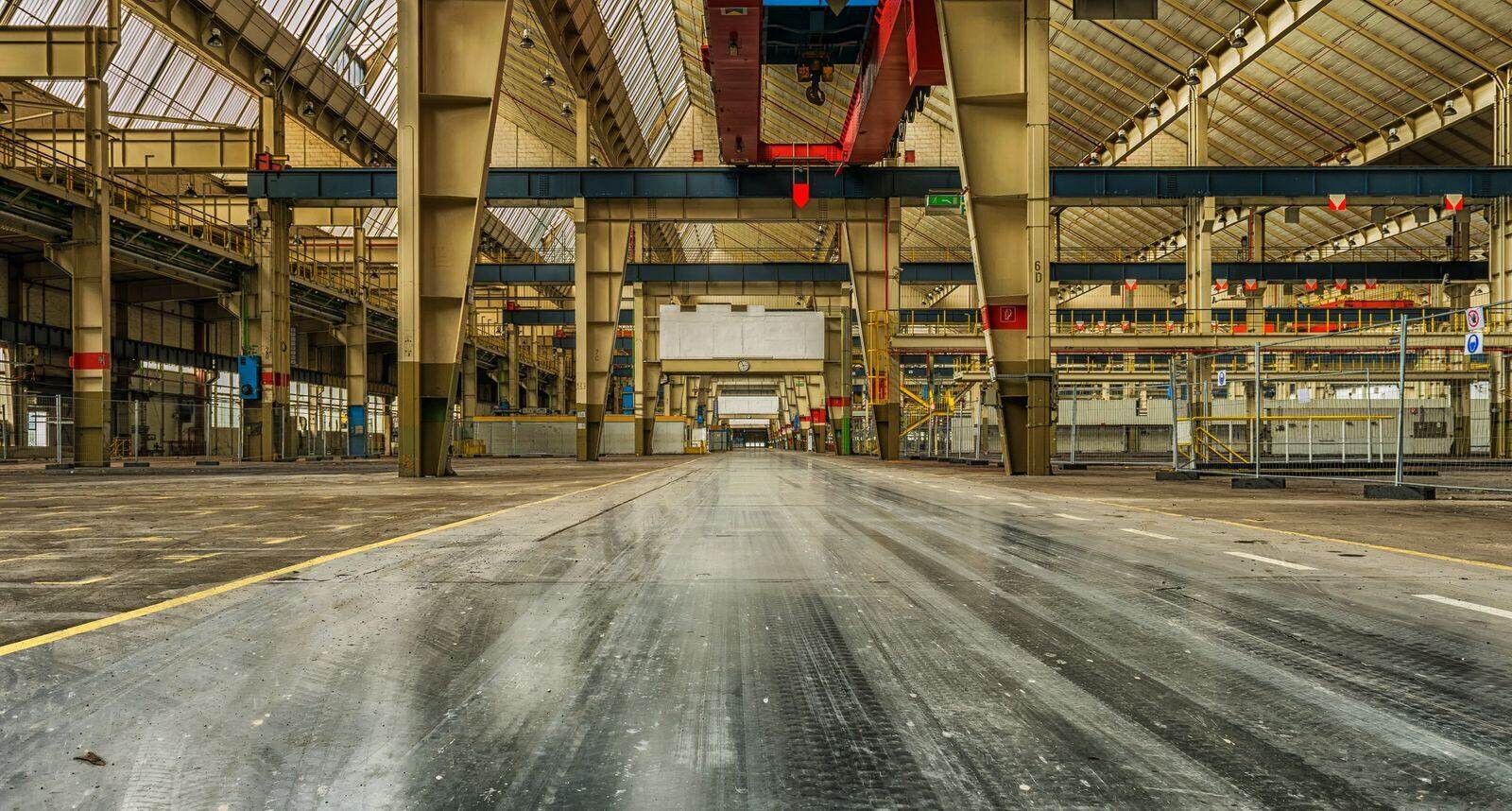
Industrial space in the capital is in short supply, and a unit at Park Royal or on Purley Way is often relet before the old tenant has gone, with the new tenant's fit out booked from the day after handback. That makes a closure sale here a matter of dates more than anything else. The lease ends, the dilapidations bill starts, and everything from the production line to the last pallet of stock has to be out.
We plan the sale backwards from that date. The unit is catalogued on site, the sale runs online for a week or two with a viewing day, and buyers collect in an agreed window with our staff on the door. Bidding is open across the UK, and the trade at Croydon, Romford, Watford and Slough is close enough to inspect the lots before the sale closes.
Tell us the handback date and what is in the unit, and we will tell you what fits.
Food production units and the chilled kit inside them
Park Royal is full of food producers, and food closures have their own order. Chilled and frozen stock has to go first, before the refrigeration is sold, and we lot it for quick collection by other producers and wholesalers on the first collection day. The cold rooms, blast chillers, mixers, ovens, fillers and packing lines follow. Stainless tables, sinks, trolleys and racking suit any commercial kitchen. The trades that use this kit are food producers across the south east and the catering equipment dealers who follow these catalogues.
Print and packaging units in the same estates bring one large press that needs a specialist and a floor of finishing kit that sells one machine at a time.
Vehicle workshops on Purley Way and around Dagenham bring lifts, booths, compressors and tyre kit, sold with the buyer to remove.
Collection days under the lorry rules
Getting lots out of London is the part that needs thought. Large vehicles have to meet the Direct Vision Standard and pay or comply with the Low Emission Zone, and not every haulier a buyer knows from outside the capital is set up for that. We say so in the catalogue and give heavy lots a longer slot so buyers can book compliant transport. Yards on the North Circular and at Brimsdown were laid out for articulated lorries, and units in Charlton and Hayes are often tighter, so we measure the approach, the gate and the door on every site. Where a low loader will not reach, a hiab on an agreed morning may suit instead.
Where a unit is too tight or the date too close, we collect the lots ourselves and sell them from our own premises, which frees the building early and stops the dilapidations clock.
Collection slots are agreed rather than left open, so a buyer coming in from the home counties can avoid the worst of the traffic.
What these sales can include
- Production machinery
- Finished goods and raw materials
- Warehouse racking
- Forklifts and handling equipment
- Vans, trucks and trailers
- Office furniture and computers
- Workshop tools and benches
- Compressors and site services
- Catering equipment
- Retail fittings and display units
- Vehicle lifts
- Packaging machinery
How we run the sale
We visit, agree the scope and catalogue the lots on site. Everything from the main machines down to the contents of the stores can be included. Small items are grouped into sensible lots so that nothing is left behind.
The sale runs online as a timed auction. Bidders register, view the lots on a set viewing day at your premises, and bid until the closing time. Lots close in sequence, and a late bid extends the closing time on that lot.
Buyers pay the hammer price plus the buyer's premium, with VAT charged where it applies and shown separately on the invoice. They pay us, and you are paid once the sale is reconciled and the collection window has closed, from cleared funds. The auction terms set out what happens if a buyer does not pay or collect. The details for your sale are explained when we discuss it.
The business closure auctions page covers closure sales and the pressure of the date, who needs to agree before you sell, stock, records and the things people forget, collection, clearance and the empty building, when a closure sale is not the answer.
Questions about selling in London
- Our landlord has a new tenant moving in the day after we leave. How tight can the timetable be?
Tight, if we start now. The bidding period can be shortened and the collection window compressed, sometimes to a couple of days, with the heavy lots either sold with removal by an agreed date or taken to our own premises and sold from there. What cannot be compressed is the lender's consent on anything financed and the buyers' need to see the lots before they bid. Give us the handback date and we will say what fits and what does not.
- Our vans do not meet the ULEZ rules. Does that stop them selling?
No. A non compliant van is still usable outside the zone and by exporters, and the emissions standard is one of the things a bidder weighs against the mileage, the age and the condition. We list them with the V5, the mileage and the emissions standard, and a buyer collects on a transporter or drives the van out. Anything on finance can only be sold with the funder's agreement, and the settlement is usually paid from the proceeds.
More questions about closure auctions
Related services
Guides
- Closing a business: a timeline for selling the assets
Work backwards from the day you hand the site over. This guide covers lease end and dilapidations, when to instruct, when staff should leave, when to keep the power on, and how to leave enough room for collection and making good.