 Britannia Auctions
Business closure auctions in Southampton
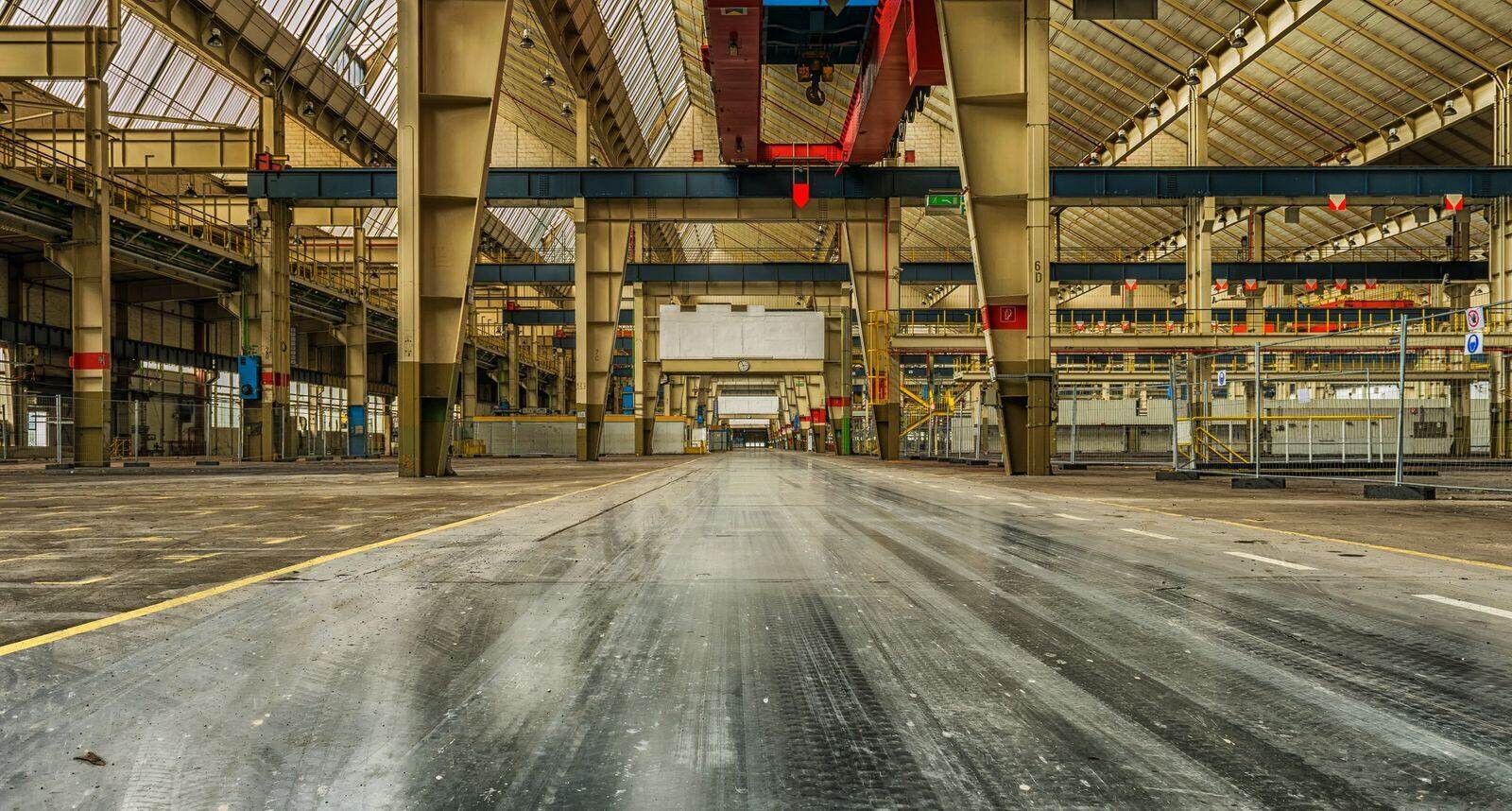
A freight yard at Nursling or Millbrook can be busy one month and closed the next. Port contracts move to another forwarder, the trailers go back to the lessor, and what is left is a shed full of racking, a workshop with a pit and a couple of forklifts, and an office nobody wants. The landlord wants the yard swept and the gate locked on the date in the lease.
We sell all of it in one online timed auction, with the viewing day on site and collection in a fixed window afterwards. The sale is online and open to buyers from any part of the country, and the haulage and warehouse trade at Totton, Eastleigh, Fareham and Portsmouth is within easy reach of a viewing day.
The same approach works for a marine engineer on the Itchen or an aerospace supplier at Hedge End. Tell us the empty date and what is inside.
Haulage depots close with the workshop as well as the racking
Most people think of a distribution shed as racking and forklifts, and those are the obvious lots. What gets forgotten is the workshop. A haulier who maintained its own fleet leaves behind a pit or a set of mobile column lifts, a tyre machine, a brake tester, a parts washer and shelves of filters and belts, all of it usable by any vehicle repairer along the M27 corridor.
Trailers are a separate question. Owned trailers are lotted with their plates and test dates, and bidding for them is open to bidders anywhere in the UK, with the buyer collecting on a tractor unit. Leased trailers go back to the lessor, and we check plates and paperwork before listing anything.
Vehicle handling firms at the docks bring a different mix. Transporter decks, wheel dollies, wash bays and inspection lights have a narrow buyer list, so we describe them in detail and lot them so that one operator can take the set.
Boatyards on the Itchen and the kit that leaves by road
Marine engineers and boatbuilders along Southampton Water hold a different sale. The workshop has lathes, welding sets, a spray booth and racks of stainless fittings, and the yard has cradles, trailers, a jet wash and perhaps a boat hoist that is bolted to the quay. The hoist is a rigging job and often stays with the landlord by agreement. The rest leaves by road, and the road at an older yard by the river can be narrow, so we check what size vehicle can reach the gate before we set the collection days.
Marine kit reaches beyond the local trade. A boat hoist or a set of cradles comes up rarely, so bidding is opened to yards on the south coast and in Scotland and Ireland. We photograph every lot with its plate and capacity so that a distant bidder can commit.
Aerospace and engineering suppliers on the Eastleigh corridor are usually a simpler proposition, in newer units with level floors and roller doors. We measure the door and the yard before we say what each machine needs to leave.
What these sales can include
- Production machinery
- Finished goods and raw materials
- Warehouse racking
- Forklifts and handling equipment
- Vans, trucks and trailers
- Office furniture and computers
- Workshop tools and benches
- Compressors and site services
- Catering equipment
- Retail fittings and display units
- Vehicle lifts
- Packaging machinery
How we run the sale
We visit, agree the scope and catalogue the lots on site. Everything from the main machines down to the contents of the stores can be included. Small items are grouped into sensible lots so that nothing is left behind.
The sale runs online as a timed auction. Bidders register, view the lots on a set viewing day at your premises, and bid until the closing time. Lots close in sequence, and a late bid extends the closing time on that lot.
Buyers pay the hammer price plus the buyer's premium, with VAT charged where it applies and shown separately on the invoice. They pay us, and you are paid once the sale is reconciled and the collection window has closed, from cleared funds. The auction terms set out what happens if a buyer does not pay or collect. The details for your sale are explained when we discuss it.
The business closure auctions page covers closure sales and the pressure of the date, who needs to agree before you sell, stock, records and the things people forget, collection, clearance and the empty building, when a closure sale is not the answer.
Questions about selling in Southampton
- Our trailers are on lease and the tractor units are on finance. What can actually go in the sale?
Only what you own outright or what the lender agrees to release. Leased trailers go back to the lessor at the end of the term, and we will not list them. Units on hire purchase can be sold if the finance company confirms the settlement figure and agrees to the sale, with their balance paid from the proceeds. Everything else in the yard, the racking, the forklifts, the workshop kit and the office, is yours to sell. Send us the finance schedules with the asset list and we sort out which is which before the catalogue goes live.
- The yard is next to the container terminal and lorries queue past the gate. Will buyers be able to collect?
Yes, with the collection days planned around the traffic. We look at the approach during our first visit and set collection slots for the quieter parts of the day, with heavy lots leaving first while there is room to manoeuvre a low loader. Buyers are told in the catalogue what access they will find, so nobody arrives with the wrong vehicle. If the site cannot be worked at all, we move the lots to our own premises and sell from there.
More questions about closure auctions
Related services
Guides
- Closing a business: a timeline for selling the assets
Work backwards from the day you hand the site over. This guide covers lease end and dilapidations, when to instruct, when staff should leave, when to keep the power on, and how to leave enough room for collection and making good.