 Britannia Auctions
Factory and workshop clearance in London
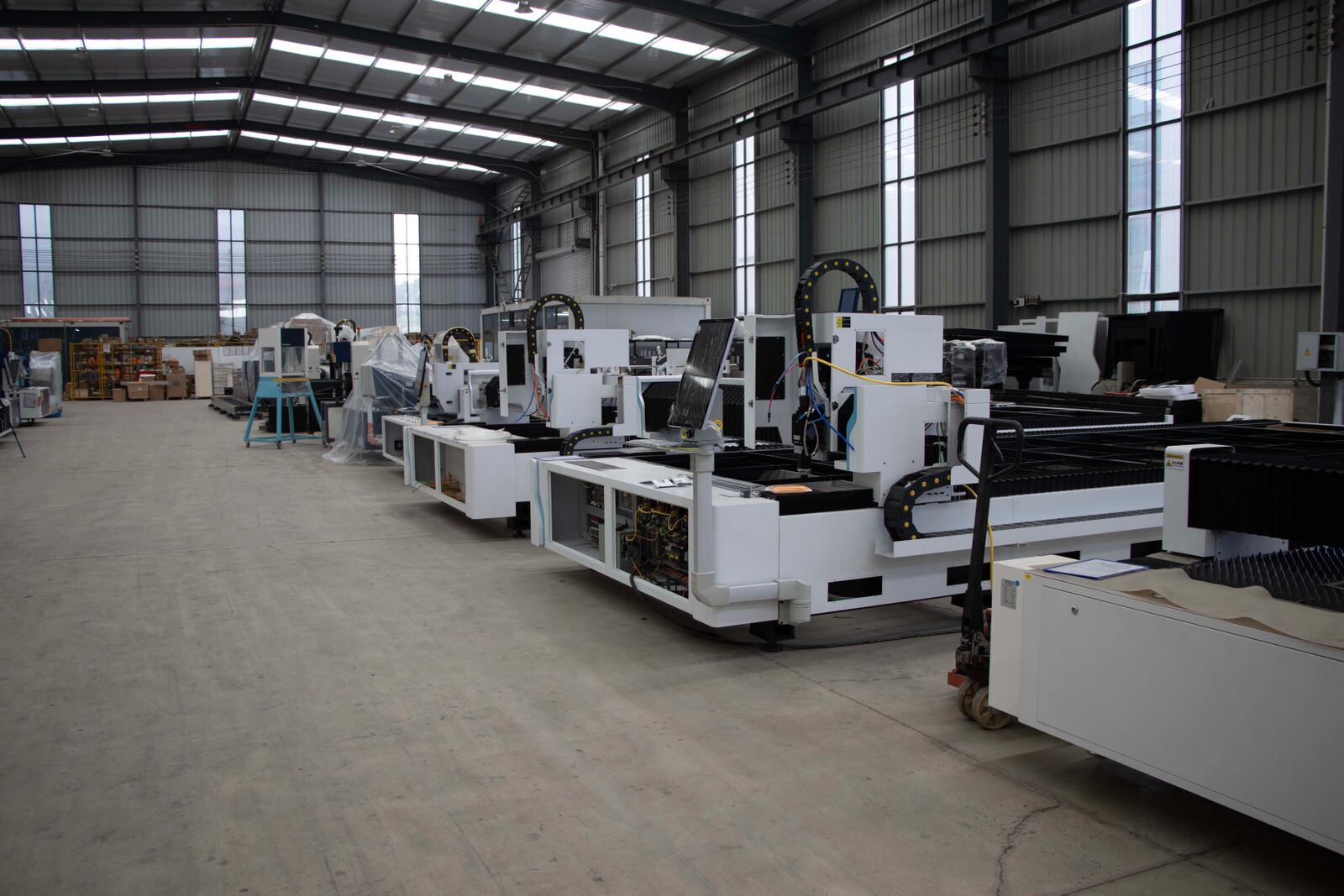
Clearing a London unit is a logistics problem with a sale attached. The plant is the same as anywhere, food processing lines, printing presses, vehicle lifts, racking and forklifts, but the building is on a street that was busy before the lorries arrived and the rent is high enough that the landlord counts every day. The vehicles that collect also have to meet the Low Emission Zone and the Direct Vision Standard. Every part of the plan has to allow for that.
Park Royal between the A40 and the North Circular holds the densest concentration of it. Brimsdown adds heavier industry along the Lea Valley, Dagenham Dock and Barking add recycling yards and vehicle plant off the A13, and Purley Way covers the south.
We sell everything with a value in one online auction, with a viewing day, and the strip out and residue can be arranged afterwards where agreed. Describe the site through the form.
Food producers and printers on the western estates
Park Royal clears food plant and print kit more than anything else. Ovens, mixers, fryers, depositors, cold rooms and packing lines suit the food trade, which is thick enough on the ground in the capital that Enfield, Croydon, Ilford and Slough are all well placed to attend the viewing. Presses, guillotines, folders and binding lines have a national market, bidding is online, and a buyer can send a haulier.
The buildings on Park Royal range from modern units with a yard to older sheds with a shared lane and no room to turn. Collection is by timed slot, and where the lane is tight a heavy lot may be staged at the door for a hiab rather than a low loader, depending on what the site visit shows.
Refrigeration is decommissioned by a certified engineer before it moves. Gas is capped by a registered fitter. Both are booked before the auction opens, not after the buyer arrives.
Low loaders and the rules inside the M25
Any vehicle collecting from a London site has to meet the Low Emission Zone standard and, for the larger lorries, the Direct Vision Standard permit. We put that in the catalogue so buyers send the right vehicle, and the hauliers we use for our own moves already comply. Where a low loader cannot get down the street, the lot can be moved to a point a vehicle can reach, or taken to our own premises and sold from there.
Rent quarter days drive the timetable here, because London rents make an extra quarter expensive. The auction closes with time to spare before the surrender and the strip out uses the days left.
Heavier plant from Brimsdown and the recycling yards at Dagenham, balers, shredders, conveyors and shot blast plant, often needs a crane and a closure, applied for as soon as we are instructed. For an export buyer arranging freight, Tilbury and London Gateway are a short run down the A13.
What these sales can include
- Production machinery
- Machine tools and tooling
- Pallet racking and mezzanines
- Compressors and air receivers
- Extraction and filtration systems
- Overhead cranes and hoists
- Forklifts and pallet trucks
- Workbenches, cabinets and stores
- Electrical switchgear
- Office furniture and IT
- Scrap metal and redundant stock
- Vans and site vehicles
The auction stage
We catalogue every saleable item on site, from the main machines down to grouped lots of hand tools and stores. The sale runs online as a timed auction with a viewing day at the premises. The buyer pays the hammer price plus the premium, with VAT charged where it applies and shown separately, and collects during an agreed window.
Lots are offered as seen under the auction terms, and buyers are expected to inspect before bidding. They arrange and pay for dismantling and removal. Where an item must be taken down carefully, such as a mezzanine or an overhead crane, the catalogue says so and it is part of the lot.
You keep the premises accessible, safe and powered until collection ends. We attend to release lots. The more that leaves through the auction, the less there is to clear at cost afterwards.
The factory and workshop clearance page covers clearance is a different job from a sale, everything that has to come out, the clearance stage, timescales and what slows them down, when a clearance is the wrong approach.
Questions about selling in London
- The landlord wants the unit back on the quarter day and we have eight weeks. Is that realistic?
For a single unit on Park Royal or Purley Way it usually is, if we are instructed now. A week to catalogue, a week or two of bidding with the viewing inside it, then a collection window and the strip out, each moving with the number of lots, the access and how quickly buyers pay. The tight point is any crane lift or closure, because the permit takes time. We start from the surrender date and say when we walk the site if the plant makes eight weeks unrealistic.
- Our street in Charlton is too narrow for an articulated lorry. Can buyers still collect?
Yes, with rigid lorries and vans, which a narrow London street usually takes. Lots are described with the vehicle they need, and heavy items are moved to the door before the buyer arrives so nothing waits in the road. For a machine that needs a low loader, a hiab lift onto a rigid can be arranged, or the machine brought to our own premises after the sale for the buyer to collect from there. Collection slots are timed so the street is never blocked for long.
More questions about factory clearance
Related services
Guides
- How a commercial asset auction works
A stage by stage account of an online timed auction for business assets. It covers the asset schedule, cataloguing, viewing days, how bidding closes, buyer's premium and VAT, collection and how you get paid.
- Preparing machinery and equipment for sale
What to do before viewing day. Keep the machines that can be run safely available to demonstrate, isolate the rest, clean but do not repaint, find the tooling and manuals, and sort out access for removal.