 Britannia Auctions
Surplus equipment sales in Bradford
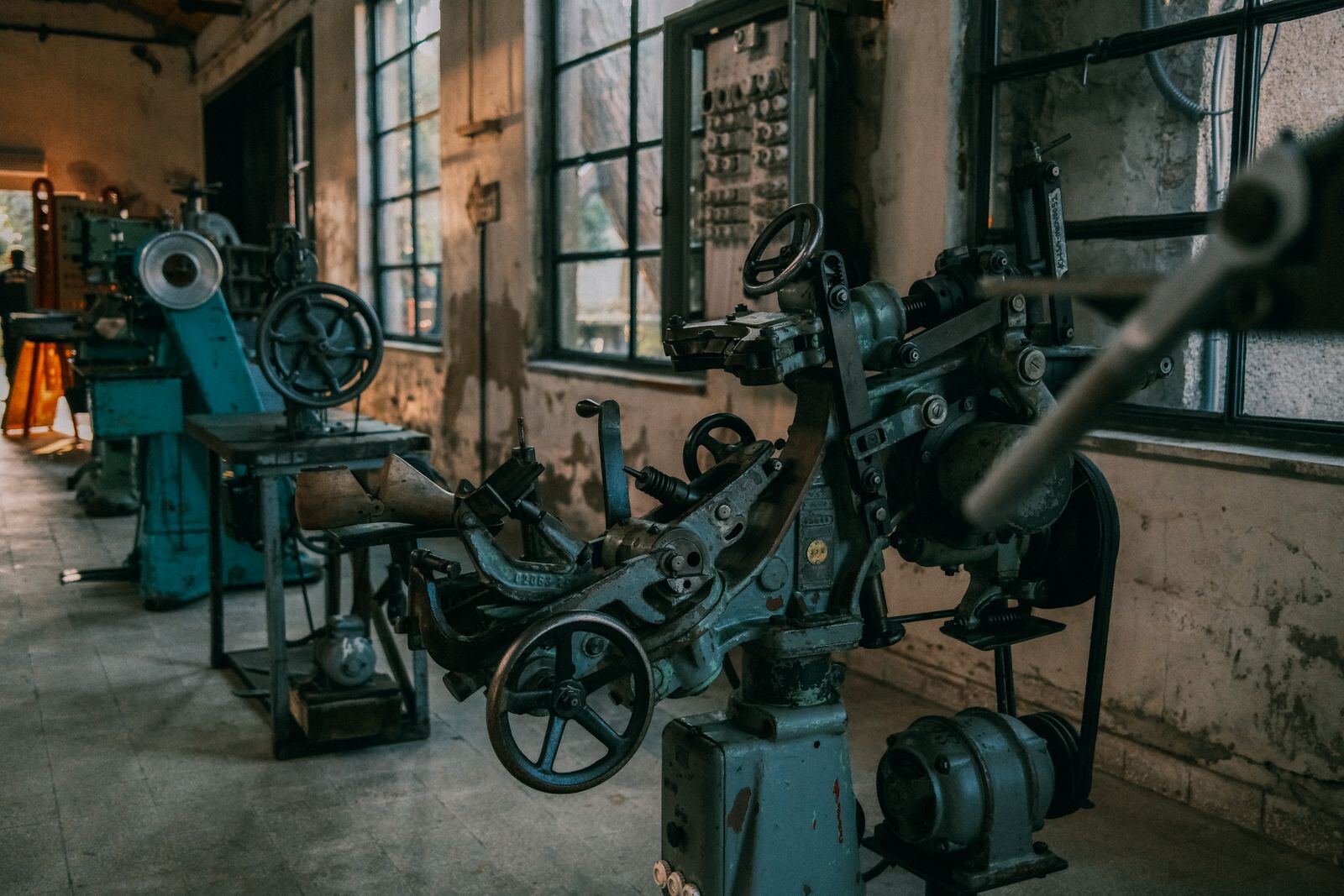
A mixer on the second floor of a converted mill is a rigging job before it is anything else, and a lot of Bradford's surplus sits in exactly that kind of building. The food manufacturers who have grown into the district's older premises put stainless process kit, ovens, fryers and packing lines wherever there was floor space, and a steep yard or a narrow loading door does not matter until the day something has to leave.
We sell surplus from those sites, and from the modern units at Euroway and Dudley Hill where the door is the least of the problems. The business keeps running. We catalogue the replaced or idle items where they stand and sell them online over a week or two. Viewing and collection are managed so that production is disturbed as little as possible.
Stainless process plant and the packing line behind it
Food kit is bought by food firms, and the trade around Bradford, Leeds and Halifax is near enough to view in person, while the bidding itself is online and open to buyers from any part of the country. Mixers, depositors, ovens, fryers, cooling tunnels and the conveyors that link them all have a market. Condition and hygiene matter. A machine that has been cleaned, drained, dried and photographed with the guards off presents far better than one still caked from its last shift.
Packing and labelling machinery is where sellers often underestimate the value. A flow wrapper, a tray sealer, a checkweigher or a case erector replaced for speed rather than because it failed still does the job for a smaller producer, and that is the buyer it is described for.
Textile machinery is a narrower market, and export interest is possible where the type is still in use. Spinning, dyeing, drying and finishing plant needs a careful description and a longer run up, and we will say plainly when an item is only worth its weight.
Old mills and the route to the door
The shape of the district tells you where the hard collections are. Mill sites on the Canal Road side of the city and out towards Shipley have tight yards, steep approaches, narrow doors and floors above ground level, and the gate, the yard and the door are three separate questions. That does not stop a sale. It changes how we describe the lots and who we let collect them.
Before the catalogue goes live we walk the route out for every heavy item, noting the door dimensions, floor levels and turning space. What a lot needs, whether that is skates, a crane, a stair climber or a specialist rigger, is assessed for that item and written into the catalogue, so the buyer brings the right crew, or it can be arranged and charged on where that is agreed. Collection is in booked slots inside the window we agree with you, with one crew in the building at a time and our staff releasing lots against paid invoices.
The estates near the M606 are newer, and the same walk round is done there before anything is described.
What these sales can include
- Machine tools and CNC equipment
- Forklifts and access platforms
- Pallet racking and shelving
- Compressors and air tools
- Welders and fabrication kit
- Vehicles and trailers
- Test and measurement equipment
- Site accommodation and containers
- Packaging and labelling machines
- Obsolete stock and components
- Office furniture and IT
- Catering and canteen equipment
Selling from a live site
Most surplus sales happen inside a business that is still trading. That changes how we work. Cataloguing is done around your shifts. Viewing is by appointment or on a single day, with visitors signed in and escorted. Collection is booked in slots so that nobody is moving a machine through the middle of a production run.
Items that are still bolted down, plumbed in or connected to services are isolated by a competent person before collection, with electrical and gas disconnection done by qualified people. Buyers arrange and pay for the removal of their lots, and they do not disconnect services themselves.
Tell us about anything that affects access: weight limits on floors, door heights, crane availability, restricted hours. It all goes in the catalogue so buyers plan the removal properly.
The surplus equipment sales page covers what counts as surplus, one sale or a standing arrangement, pricing, reserves and the buyer's premium, after the sale.
Questions about selling in Bradford
- Our replaced line is on the top floor of a mill. Is it still worth selling?
Usually yes, once the cost of getting it down is known. We price the rigging before we advise you, and we tell buyers in the catalogue exactly what the route involves so that nobody bids without understanding it. Some sellers prefer to have the line dismantled and brought to ground level before the sale, which can widen the field of buyers. Where the rigging cost would eat the whole value, we will say so and suggest scrap instead.
- Do buyers travel to Bradford for a food equipment sale?
Some will. The food trade across West Yorkshire is large and the towns are close, so a bakery in Keighley or a sauce producer in Huddersfield is an easy drive from a viewing day. Bidding runs online and is open to producers across the UK, and for stainless process kit export interest is possible too. Viewing is by appointment or on one day, with visitors signed in and escorted, so your own production is not disturbed.
More questions about surplus equipment
Related services
Guides
- Preparing machinery and equipment for sale
What to do before viewing day. Keep the machines that can be run safely available to demonstrate, isolate the rest, clean but do not repaint, find the tooling and manuals, and sort out access for removal.
- How used machinery is valued
Buyers pay for what a machine will do for them, less what it costs to get it out and running. This guide explains how make, hours, tooling, demand and removal cost feed a guide price, and why that price is not book value.