 Britannia Auctions
Surplus equipment sales in Hull
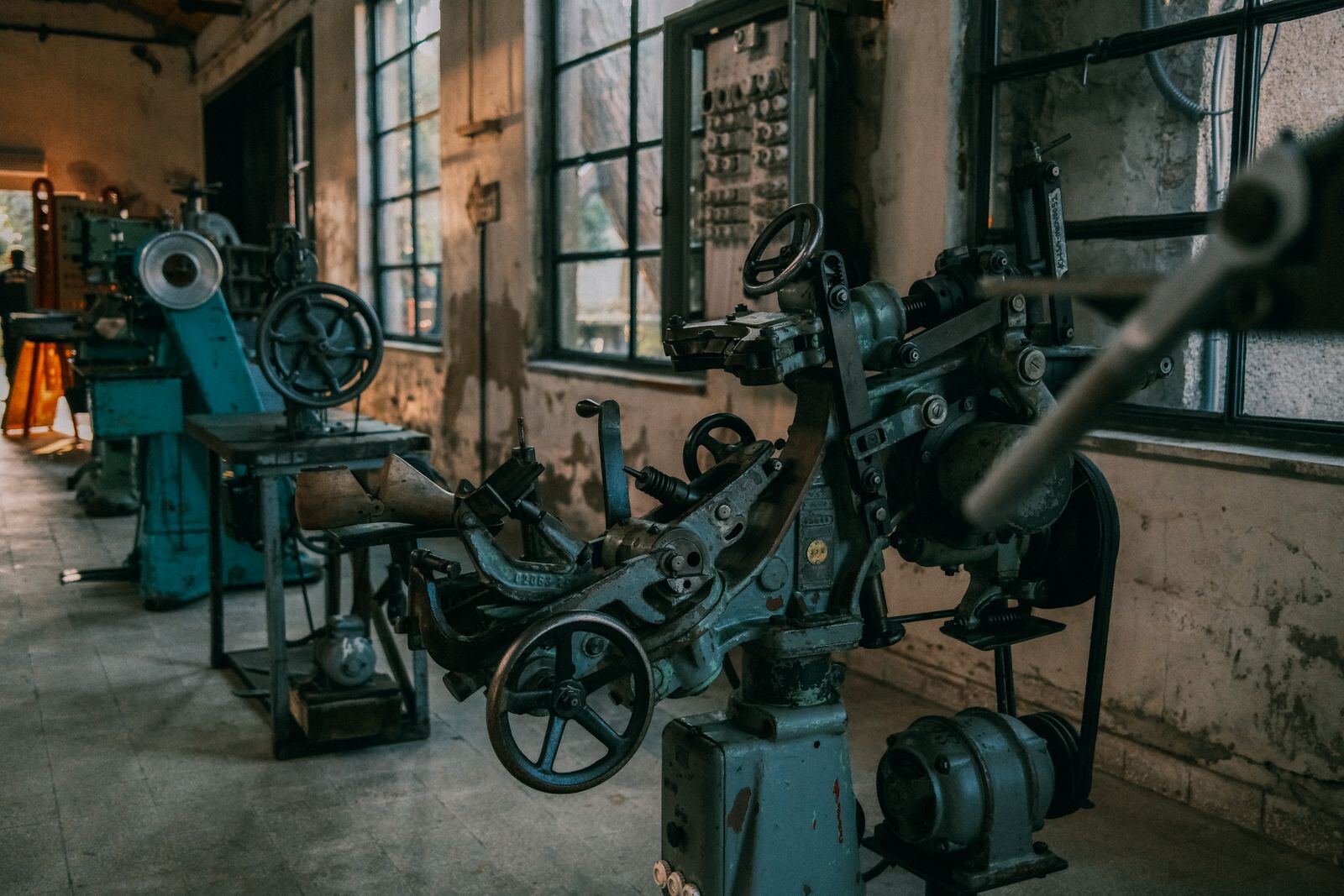
Caravan and holiday home building runs to a calendar. Production peaks through the winter and spring so that units are on dealer forecourts for the season, and the joinery, upholstery and chassis suppliers around Hull run to the same rhythm. That gives a surplus sale a natural window. The quiet weeks after the last spring build are when a replaced beam saw, an edge bander that lost its slot on the floor, a spare bank of sewing machines or a run of racking can be sold and collected without anyone tripping over a rigger.
We handle that kind of sale for firms at Sutton Fields, on Hedon Road and along the estates that serve the docks. Cataloguing is done where the kit stands, bidding runs online for a week or two, and buyers collect in slots you set. Send us a list through the form and we will tell you what to expect.
Joinery machines and the trade that buys them
The caravan supply chain uses woodworking machinery on a scale most joinery shops never see. Beam saws, CNC routers, edge banders, wide belt sanders and dust extraction. When a line is replaced the old machines are still good, and they are catalogued for kitchen makers, shopfitters, boat fitters and furniture firms, with the trade from Beverley to Goole near enough to come and see the lots and bidding open across the country online.
Upholstery and soft furnishing kit sells the same way. Industrial sewing machines, cutting tables, foam saws and the compressors that run them go to small manufacturers and to the trade that repairs them.
The port side of the city produces a different surplus. Forklifts, pallet racking, dock levellers and packing machines from the freight and food firms around King George Dock. Those are standard items in use in warehouses everywhere, which widens the field of possible buyers, and how they leave depends on the loading arrangements at your door.
Planning the sale around the build season
Timing matters more here than in most trades. A supplier that sells its surplus in October, in the middle of the winter build, has riggers on the floor when it can least afford them. The same sale in June, after the season's units have shipped, costs nothing in lost output. We would rather plan the sale into that gap than force it into a busy month.
Working back from the date you want the space clear:
- Cataloguing takes a day or two on site, depending on the number of lots, and fits around shifts.
- Bidding usually runs for a week to a fortnight, with a viewing day by appointment.
- Collection follows over a window we agree, with heavy lots in booked slots, its length set by access and by how quickly buyers pay.
- You are paid once the sale is reconciled from cleared funds, with a lot by lot statement.
Sutton Fields, Priory Park and the older sites at Stoneferry all differ, so the approach, turning space, loading door and route inside are checked when we first visit and go in the catalogue.
What these sales can include
- Machine tools and CNC equipment
- Forklifts and access platforms
- Pallet racking and shelving
- Compressors and air tools
- Welders and fabrication kit
- Vehicles and trailers
- Test and measurement equipment
- Site accommodation and containers
- Packaging and labelling machines
- Obsolete stock and components
- Office furniture and IT
- Catering and canteen equipment
Selling from a live site
Most surplus sales happen inside a business that is still trading. That changes how we work. Cataloguing is done around your shifts. Viewing is by appointment or on a single day, with visitors signed in and escorted. Collection is booked in slots so that nobody is moving a machine through the middle of a production run.
Items that are still bolted down, plumbed in or connected to services are isolated by a competent person before collection, with electrical and gas disconnection done by qualified people. Buyers arrange and pay for the removal of their lots, and they do not disconnect services themselves.
Tell us about anything that affects access: weight limits on floors, door heights, crane availability, restricted hours. It all goes in the catalogue so buyers plan the removal properly.
The surplus equipment sales page covers what counts as surplus, one sale or a standing arrangement, pricing, reserves and the buyer's premium, after the sale.
Questions about selling in Hull
- We are a supplier to the caravan makers. Does our surplus have any value outside that trade?
Most of it does. The machines are standard woodworking, upholstery and metalworking kit, and the buyers are any firm that does the same work on a smaller scale. Only jigs and fixtures built for a specific model are trade specific, and those usually sell to another supplier or go for scrap. We catalogue each lot so a kitchen maker in Driffield or a shopfitter bidding from the other end of the country can see what it is and what it does.
- Can we consign a few pallets of obsolete components with the machines?
Yes, and it is worth doing while the sale is running anyway. Components sell in lots grouped by type, and we describe the quantity and condition honestly. Boxes still sealed from the supplier do better than loose stock. The market is smaller than it is for machines, so we will tell you where the value is likely to be low and where scrap is the better answer. Small lots can also be collected and sold from our own premises where that is agreed.
More questions about surplus equipment
Related services
Guides
- Preparing machinery and equipment for sale
What to do before viewing day. Keep the machines that can be run safely available to demonstrate, isolate the rest, clean but do not repaint, find the tooling and manuals, and sort out access for removal.
- How used machinery is valued
Buyers pay for what a machine will do for them, less what it costs to get it out and running. This guide explains how make, hours, tooling, demand and removal cost feed a guide price, and why that price is not book value.