 Britannia Auctions
Surplus equipment sales in Middlesbrough
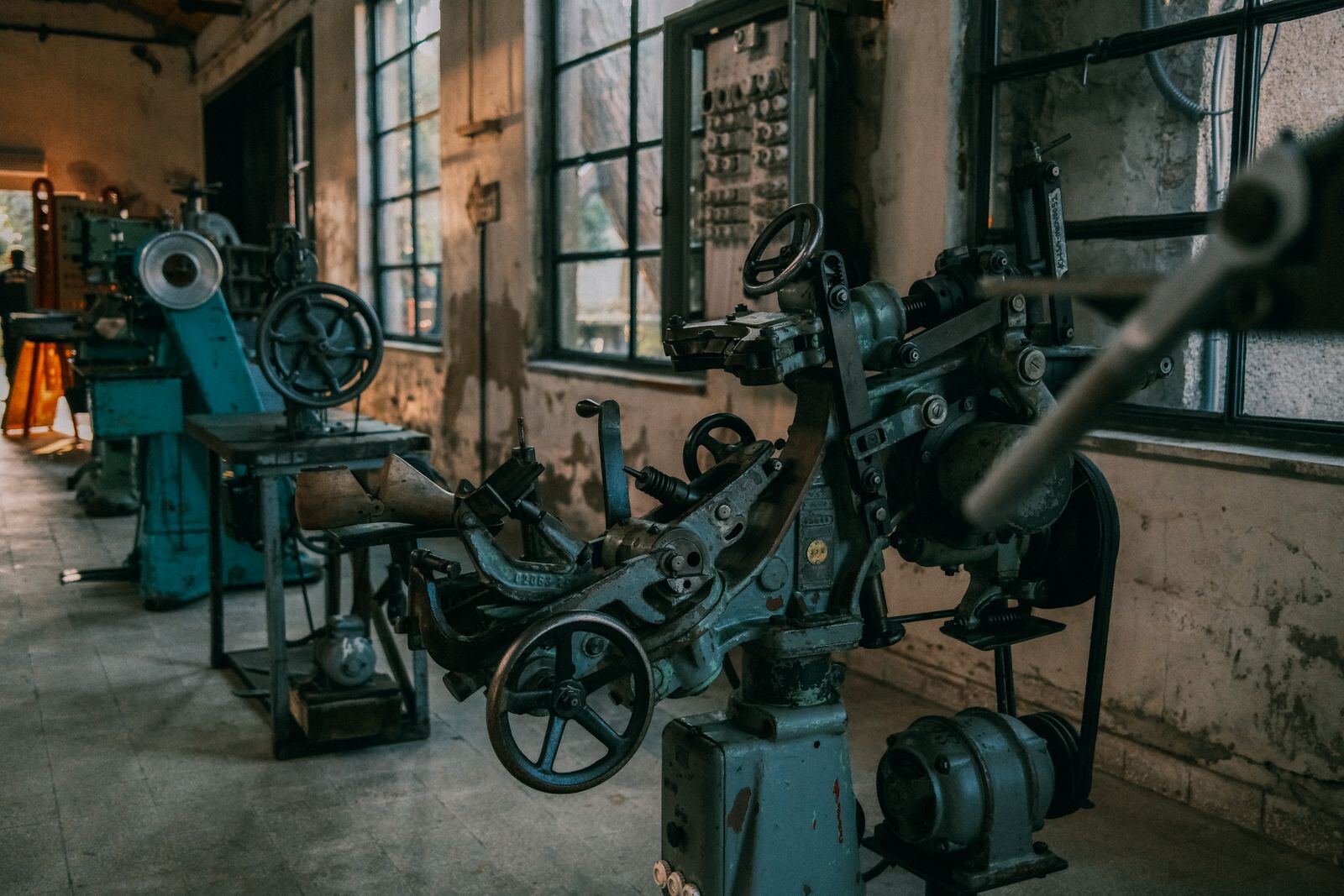
Stores are where surplus hides on a process site. Spare pumps bought for a plant that has since been modified. Valves, motors, gearboxes and instrumentation held against a breakdown that never came. Scaffold and welfare cabins left over from the last turnaround. Cable drums from a job that changed spec. None of it is on anybody's list of things to sell, because it is filed under spares rather than equipment, and so it sits in a warehouse at Wilton or on a yard at Cargo Fleet for years.
We sell that stock alongside the more obvious surplus from the fabrication shops and plant hire yards along the Tees. A welding bay that has been mothballed. Excavators and dumpers coming off a fleet. A plasma table replaced by a bigger one. Site cabins from a contract that has finished. Everything is catalogued where it stands and sold by online timed auction. Collection is in booked slots and the site keeps running throughout.
Selling stores stock that was never meant to be sold
Spares have to be described properly to be judged at all. A pump is worth far more to a buyer who can see the nameplate, the duty and whether it has ever been run than one photographed on a pallet under a tarpaulin. So we catalogue stores stock item by item where the value justifies it, with part numbers and photographs of the plates, and in bulk lots where it does not.
The catalogue is written for other process sites, maintenance contractors, salvage traders and the stockists who supply them. Some are on the Tees at Billingham, some at refineries and chemical plants elsewhere in the UK, and export interest is possible where the type is still in use. Unused items in the manufacturer's packaging are the easiest to describe with confidence.
Instrumentation and electrical stock is worth a separate conversation. Calibration records and hazardous area certificates change what an item is worth, and if you have them we want them in the catalogue.
Yards, permits and the question of who lifts
The riverside estates were built for heavy plant, but what a particular yard at Riverside Park or Skippers Lane will take is checked before anything is listed: the approach and turning space, the ground a crane would stand on, the loading arrangements and the route out. Most of the planning then sits inside the fence rather than outside it, and that is the part we work on with you.
On a live process site every visitor needs an induction and a permit before they get near a lot. We build that into the collection window, with buyers booked into slots and our staff on site to sign them in and let lots go only when they have been paid for. On a fabrication yard, the question is who lifts. Where a lot needs a crane or a forklift we say so in the catalogue, and buyers either bring their own or it can be arranged and charged on where agreed.
Plant hire kit is collected on the buyer's own transporter, in a slot, one machine at a time.
What these sales can include
- Machine tools and CNC equipment
- Forklifts and access platforms
- Pallet racking and shelving
- Compressors and air tools
- Welders and fabrication kit
- Vehicles and trailers
- Test and measurement equipment
- Site accommodation and containers
- Packaging and labelling machines
- Obsolete stock and components
- Office furniture and IT
- Catering and canteen equipment
Selling from a live site
Most surplus sales happen inside a business that is still trading. That changes how we work. Cataloguing is done around your shifts. Viewing is by appointment or on a single day, with visitors signed in and escorted. Collection is booked in slots so that nobody is moving a machine through the middle of a production run.
Items that are still bolted down, plumbed in or connected to services are isolated by a competent person before collection, with electrical and gas disconnection done by qualified people. Buyers arrange and pay for the removal of their lots, and they do not disconnect services themselves.
Tell us about anything that affects access: weight limits on floors, door heights, crane availability, restricted hours. It all goes in the catalogue so buyers plan the removal properly.
The surplus equipment sales page covers what counts as surplus, one sale or a standing arrangement, pricing, reserves and the buyer's premium, after the sale.
Questions about selling in Middlesbrough
- Can we sell while the plant is inside a permit to work system?
Yes. Most process sites on Teesside run permits and inductions, and we work inside them. Our cataloguer comes in as a contractor, with the paperwork your safety team asks for. Viewing is by appointment in escorted groups rather than an open day, and collection slots are set to match the hours your permit office can issue them. It takes a little longer than a sale from an ordinary unit. It does not need to disrupt the plant.
- Is scrap value the floor for old fabrication plant?
Often, and we say when scrap is the better answer. A set of plate rolls or a press brake from the 1970s that still works can be worth more than its weight, because the type is still in use in small fabrication shops around Stockton and Hartlepool. A seized machine, or a structure that only has weight going for it, is often better weighed in. We give you our opinion on each lot before you commit. It is an opinion, and the market decides on the day.
More questions about surplus equipment
Related services
Guides
- Preparing machinery and equipment for sale
What to do before viewing day. Keep the machines that can be run safely available to demonstrate, isolate the rest, clean but do not repaint, find the tooling and manuals, and sort out access for removal.
- How used machinery is valued
Buyers pay for what a machine will do for them, less what it costs to get it out and running. This guide explains how make, hours, tooling, demand and removal cost feed a guide price, and why that price is not book value.