 Britannia Auctions
Surplus equipment sales in Milton Keynes
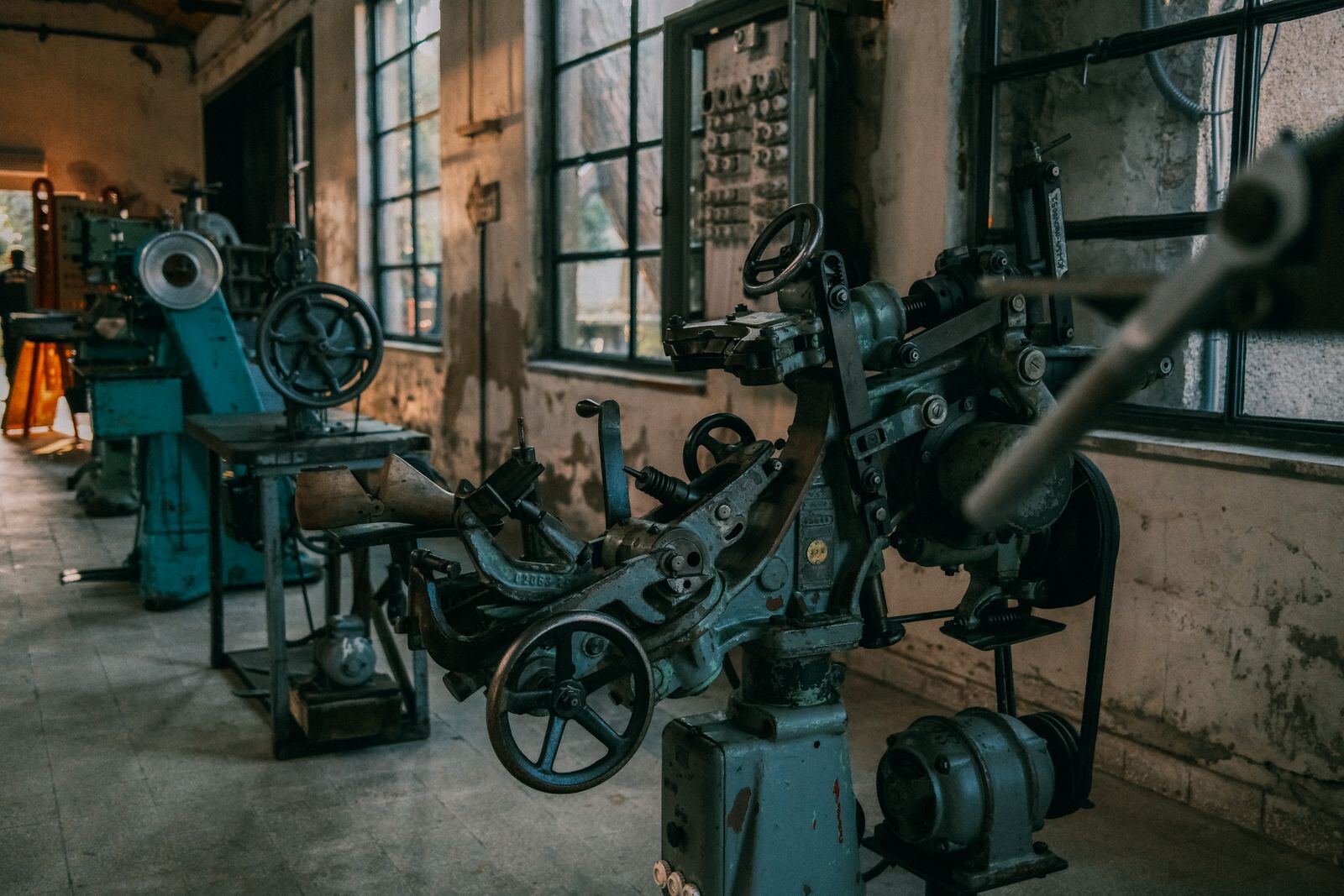
We run surplus sales in Milton Keynes for two very different kinds of business. On one side are the national distributors and parcel carriers at Magna Park, Tongwell and Mount Farm, whose surplus is racking, forklifts, dock kit and conveyor by the lorry load. On the other are the automotive, motorsport and electronics firms at Knowlhill and Kingston, whose surplus is a machining centre, a dyno, a rack of test instruments and a few benches.
The method is the same for both. We catalogue where the items stand and sell by online timed auction over a week or two. Collection is booked in slots around the working site. The grid roads help a haulier reach the estates, though what a particular unit and yard will take is checked before anything is listed. Send us what you have and we will say what it is worth listing.
Dock kit and conveyor when a retail contract moves
Retail supply chains change hands often, and when a contract leaves a shed the operator is left with the fit out. Racking, mezzanine floors, pallet trucks, dock levellers and shelters, shrink wrappers, packing benches and long runs of belt and roller conveyor. Some of it was installed for that one customer and none of it is going to the next site.
Sold in sensible lots, this kit is in standard use. Racking and trucks are catalogued for warehouse operators, and the trade in Bedford, Luton, Leighton Buzzard and Northampton is near enough to come and see the lots. Conveyor is lotted in sections a smaller firm can use, and dock equipment for fit out contractors. A mezzanine is offered as a whole, with the dismantling and removal the buyer's job.
Timing matters here. Sheds are busiest in the run up to the retail peak and quietest after it, and a sale in the new year, with collection in February, can fit the operation better than one in November.
Motorsport and electronics kit from Knowlhill and Kingston
A programme ends, a car goes out of production, a contract is lost or a product is dropped, and the equipment bought for it becomes surplus while the firm carries on. That is how most of the engineering surplus in this city arrives. Machining centres and lathes, engine and chassis dynos, environmental chambers, oscilloscopes and signal generators, flow benches, welding bays and the racking and benches around them.
These are written for a national market of engineers and laboratories, many of whom bid on the catalogue rather than visiting. So we describe carefully, with serials, hours, control systems and calibration dates, and test kit that can be run safely is powered up for the photograph. Anything owned by a customer or covered by a confidentiality agreement is separated out before we list.
Kingston, Knowlhill and the older units at Bletchley are all checked before a heavy lot is listed, for yard space and turning room, door dimensions, floor levels and the route out.
What these sales can include
- Machine tools and CNC equipment
- Forklifts and access platforms
- Pallet racking and shelving
- Compressors and air tools
- Welders and fabrication kit
- Vehicles and trailers
- Test and measurement equipment
- Site accommodation and containers
- Packaging and labelling machines
- Obsolete stock and components
- Office furniture and IT
- Catering and canteen equipment
Selling from a live site
Most surplus sales happen inside a business that is still trading. That changes how we work. Cataloguing is done around your shifts. Viewing is by appointment or on a single day, with visitors signed in and escorted. Collection is booked in slots so that nobody is moving a machine through the middle of a production run.
Items that are still bolted down, plumbed in or connected to services are isolated by a competent person before collection, with electrical and gas disconnection done by qualified people. Buyers arrange and pay for the removal of their lots, and they do not disconnect services themselves.
Tell us about anything that affects access: weight limits on floors, door heights, crane availability, restricted hours. It all goes in the catalogue so buyers plan the removal properly.
The surplus equipment sales page covers what counts as surplus, one sale or a standing arrangement, pricing, reserves and the buyer's premium, after the sale.
Questions about selling in Milton Keynes
- Does anyone buy used conveyor and sortation gear, or should we scrap it?
Often there is a buyer. Roller and belt conveyor is lotted by the section for smaller distributors and packers who cannot justify new. Powered sortation is more specialist and is written for integrators and refurbishers, who bid online and collect by the lorry load. What rarely draws interest is custom controls and software with no documentation, or heavily worn belt. We tell you which sections are worth listing and which are scrap before you commit, and we lot them so a small buyer can take a run.
- The programme our kit came from ended mid season. Is that a bad time to sell motorsport equipment?
Not especially. Machine tools and test kit are bought by engineering firms and dealers who are not tied to the racing calendar, and the online auction is open to them wherever they are. Selling now keeps the kit current and frees the space. Waiting for the off season might suit a few more racing buyers at the viewing, which is worth weighing against months of standing still, but condition, specification and the description count for more.
More questions about surplus equipment
Related services
Guides
- Preparing machinery and equipment for sale
What to do before viewing day. Keep the machines that can be run safely available to demonstrate, isolate the rest, clean but do not repaint, find the tooling and manuals, and sort out access for removal.
- How used machinery is valued
Buyers pay for what a machine will do for them, less what it costs to get it out and running. This guide explains how make, hours, tooling, demand and removal cost feed a guide price, and why that price is not book value.