 Britannia Auctions
Surplus equipment sales in Norwich
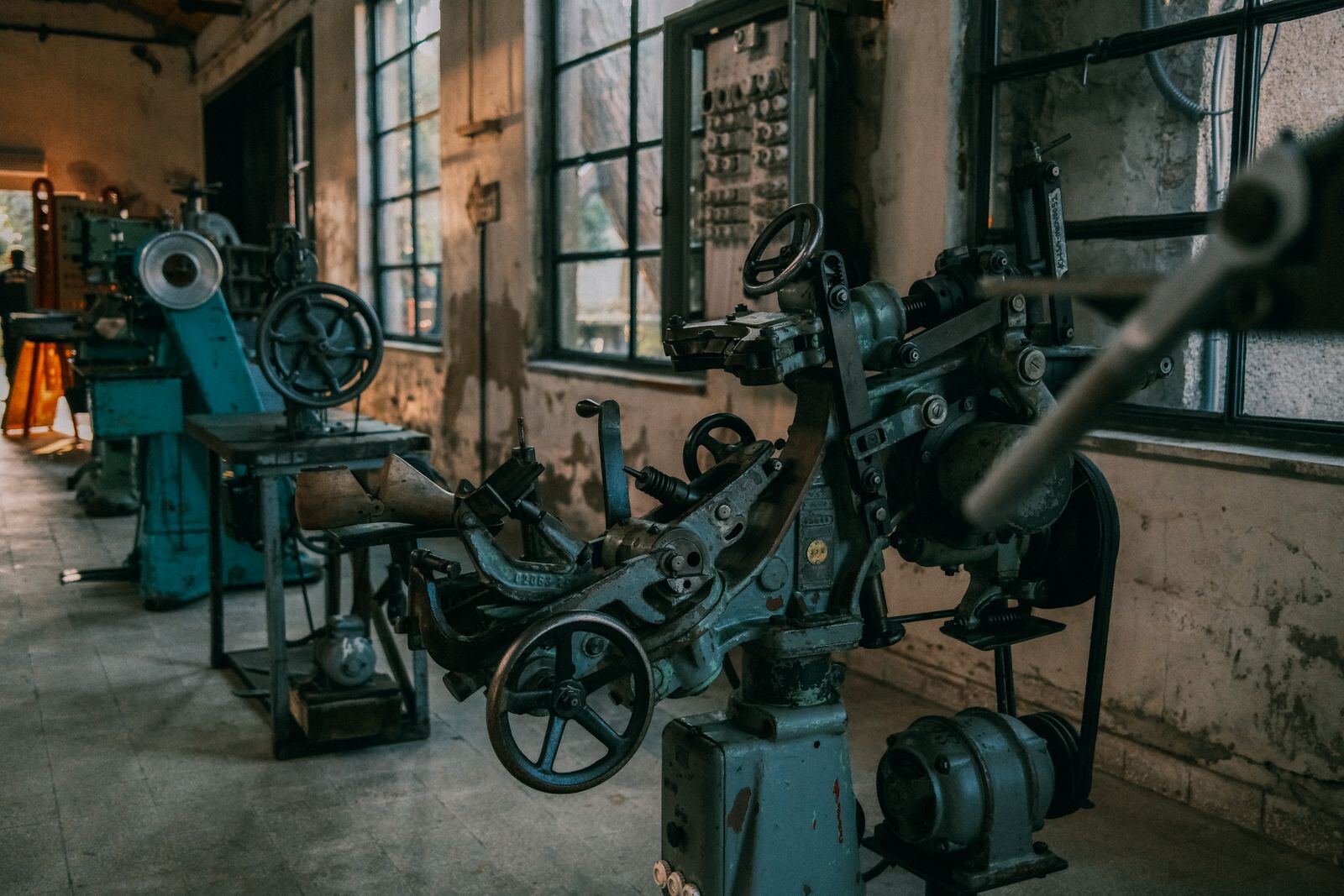
Norfolk's surplus comes as much from the villages as from the city. A food processor outside Dereham replaces a packing line. A machinery dealer at Attleborough clears the workshop of tools and lifting kit that the new franchise does not need. An engineering firm at Hethel finishes a project and has a machining centre and a stock of aluminium to move. A printer in the city replaces a press. Inside the ring road the estates at Broadland, the airport, Longwater and Rackheath add warehouse racking, forklifts, vans and packing benches, and the older workshops on Vulcan Road and Salhouse Road turn over fabrication and repair kit.
We catalogue at your site, whether that is a unit on an estate or a shed on a farm, and we sell by online timed auction. The buyers who bid are the same farming and food trades across the county, plus everyone else in the UK with an internet connection.
Food plant and farm workshop kit from the county
Food and drink is the biggest source of surplus around Norwich, and the trade that uses the same kit is close by. Stainless tanks, mixers, fillers, ovens, blast chillers, conveyors, wrapping and labelling machines all go to other producers in Norfolk and Suffolk and to packers around the country. We describe each item by capacity and format, and photograph it clean with the panels open.
The agricultural side is different. Machinery dealers and farm engineers hold workshop equipment, compressors, welders, presses, tyre kit and lifting jacks, along with parts stock that the manufacturer no longer supports. The workshop kit suits any trade. The parts are lotted in bulk for dealers and restorers, and they are worth listing rather than skipping.
Sale dates can be fitted to the farming year, and the months between harvest and the spring are the quieter ones on both sides of the trade.
Rural yards and what they will take
Collection in Norfolk takes more planning than in most counties. The estates on the ring road, Broadland Business Park and the airport industrial area, were built for goods vehicles, though the yard and the door are still checked. Beyond the ring road the picture changes. Farm sites, converted barns, dealers' yards and village workshops are reached by lanes, and the ground may be gravel or grass, so the lane, the gateway, the turning space and the surface are all looked at.
So the catalogue says what each site will take. What a lot needs to leave depends on its weight and dimensions and on the route out. Heavier machines are left on their feet for the buyer's rigger and we walk the route with you before bidding opens. Where a site really cannot be collected from, we bring the lots into our own premises first and sell from there.
The trade in Great Yarmouth, Wymondham, North Walsham and Diss is close enough to inspect the lots before the sale closes. Further afield, buyers bid online and send a haulier, so the catalogue has to carry the weight.
What these sales can include
- Machine tools and CNC equipment
- Forklifts and access platforms
- Pallet racking and shelving
- Compressors and air tools
- Welders and fabrication kit
- Vehicles and trailers
- Test and measurement equipment
- Site accommodation and containers
- Packaging and labelling machines
- Obsolete stock and components
- Office furniture and IT
- Catering and canteen equipment
Selling from a live site
Most surplus sales happen inside a business that is still trading. That changes how we work. Cataloguing is done around your shifts. Viewing is by appointment or on a single day, with visitors signed in and escorted. Collection is booked in slots so that nobody is moving a machine through the middle of a production run.
Items that are still bolted down, plumbed in or connected to services are isolated by a competent person before collection, with electrical and gas disconnection done by qualified people. Buyers arrange and pay for the removal of their lots, and they do not disconnect services themselves.
Tell us about anything that affects access: weight limits on floors, door heights, crane availability, restricted hours. It all goes in the catalogue so buyers plan the removal properly.
The surplus equipment sales page covers what counts as surplus, one sale or a standing arrangement, pricing, reserves and the buyer's premium, after the sale.
Questions about selling in Norwich
- Our surplus is in a barn on a farm outside the ring road. Can buyers collect from there?
Usually, yes. We visit first to check the lane, the gateway, the ground and the turning space, and we state in the catalogue what size of vehicle the site will take. What each lot needs to leave depends on its weight and dimensions, and that is stated with it. Viewing is on one appointment day with someone from your side present. If the barn is too hard to reach or you would rather not have visitors, we collect the lots and sell them from our own premises.
- Norfolk is a long way from the rest of the country. Does that limit who bids?
Less than you might expect. The sale is online, so a buyer in Leeds sees the same catalogue as one in Wymondham. What distance changes is who turns up to view and who collects in person. Local trades do both. Distant buyers rely on the description and photographs and send a haulier, which is why we put effort into those. For specialist food or engineering kit, the buyer who wants it may be at the other end of the country rather than in the next village.
More questions about surplus equipment
Related services
Guides
- Preparing machinery and equipment for sale
What to do before viewing day. Keep the machines that can be run safely available to demonstrate, isolate the rest, clean but do not repaint, find the tooling and manuals, and sort out access for removal.
- How used machinery is valued
Buyers pay for what a machine will do for them, less what it costs to get it out and running. This guide explains how make, hours, tooling, demand and removal cost feed a guide price, and why that price is not book value.