 Britannia Auctions
Surplus equipment sales in Plymouth
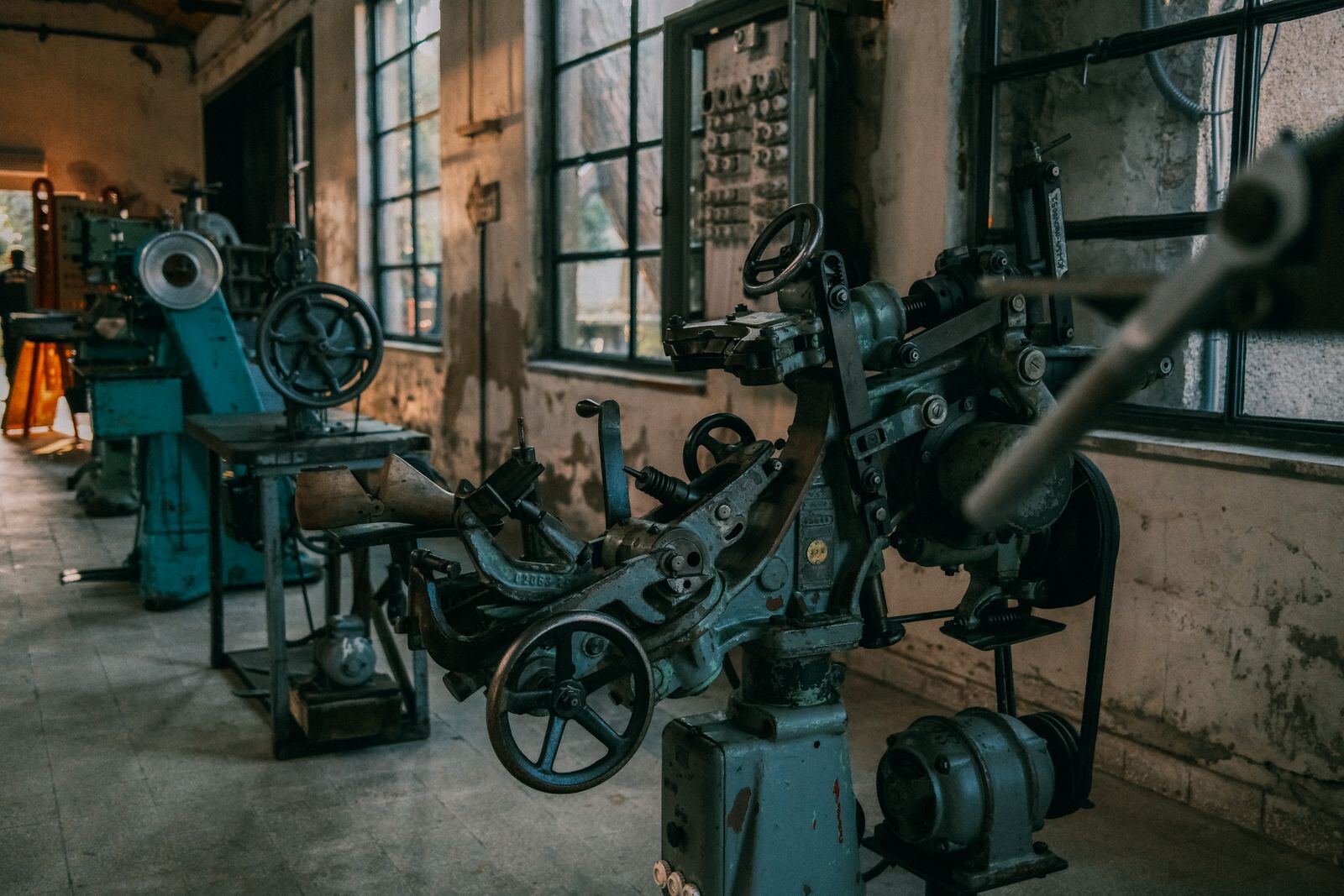
Not every surplus sale is a factory. In Plymouth it is as often a boatyard on the Tamar with a hoist it has outgrown, a marine engineering shop that has finished a refit and has welders, cradles, staging and lifting gear to spare, or a fish processor at Sutton Harbour replacing a grader. The advanced manufacturing units at Estover and Langage add a different kind of lot, test equipment and clean room fittings from a product that has finished, and the trade estates at Marsh Mills and Valley Road turn over vehicle lifts and workshop kit like anywhere else.
What the city adds is the access question. Some of the older sites near the water are reached down lanes that were never meant for a lorry, so we check the route before we list, and say in the catalogue what each lot needs to get it out. The trade in Saltash, Tavistock, Ivybridge and Totnes is close enough to inspect the lots before the sale closes, and bidding is online from the whole UK.
Selling boatyard surplus after the spring launches
A yard's surplus shows itself in late spring. The refits are done, the boats are back in the water and the kit that was bought for one big job or one difficult customer is standing idle for the summer. Boat cradles and stands, a mobile hoist that is too small for the boats the yard now takes, welding sets, compressors, antifouling spray kit, tools and chandlery stock that has not moved.
Summer is when a sale fits. The catalogue is written for other yards and marine engineers along the south coast and in Cornwall, whose quiet months are the same and whose planning runs to the autumn haul out. Cradles and stands sell in sets. Engines and gearboxes sell one at a time with hours and service history in the description. Chandlery and fastenings go in bulk lots.
Marine engineering firms on refit contracts have a similar rhythm, with the surplus arriving when the vessel leaves. Staging, access towers, lifting gear with current test certificates and portable welding plant are all in standard use.
Narrow lanes to the water and a site check first
Access near the water is the first thing we check in this city. A workshop that has been on the same wharf for decades may be reached by a lane with a wall on one side and a drop on the other, and the machine inside came in through a door that has since been narrowed.
So we walk the route before anything is listed. For each heavy lot we note what the removal is likely to need. A pallet truck and a tail lift, a forklift where the site has one, a hiab from the road, or a rigger with skates and a crane. That goes in the catalogue so buyers price the collection into their bids and nobody turns up with the wrong vehicle.
The newer estates at Roborough, Langage and Estover are laid out differently, and they are checked in the same way before anything is listed.
What these sales can include
- Machine tools and CNC equipment
- Forklifts and access platforms
- Pallet racking and shelving
- Compressors and air tools
- Welders and fabrication kit
- Vehicles and trailers
- Test and measurement equipment
- Site accommodation and containers
- Packaging and labelling machines
- Obsolete stock and components
- Office furniture and IT
- Catering and canteen equipment
Selling from a live site
Most surplus sales happen inside a business that is still trading. That changes how we work. Cataloguing is done around your shifts. Viewing is by appointment or on a single day, with visitors signed in and escorted. Collection is booked in slots so that nobody is moving a machine through the middle of a production run.
Items that are still bolted down, plumbed in or connected to services are isolated by a competent person before collection, with electrical and gas disconnection done by qualified people. Buyers arrange and pay for the removal of their lots, and they do not disconnect services themselves.
Tell us about anything that affects access: weight limits on floors, door heights, crane availability, restricted hours. It all goes in the catalogue so buyers plan the removal properly.
The surplus equipment sales page covers what counts as surplus, one sale or a standing arrangement, pricing, reserves and the buyer's premium, after the sale.
Questions about selling in Plymouth
- Our fish processing kit is stainless and has been in daily use. Does it sell, or is it scrap?
It is worth listing. Stainless graders, filleting tables, ice machines, blast freezers and vacuum packers are used by processors, caterers, food firms and dealers, and clean, sound kit is what they look for. Condition and cleanliness matter more than age. We photograph it after a proper wash down and describe capacity and power supply. Anything that is worn out goes as scrap by weight, and we will tell you which is which before the catalogue goes out.
- Buyers cannot get to our yard easily by road. Can they view another way?
Many buyers bid without visiting, provided the catalogue does the work. We photograph each lot from several sides, show the rating plate and the hours, note faults, and video a machine running where it can safely be run. Viewing itself is a single booked slot, so a handful of serious buyers come down the lane at a time you choose rather than a stream of vans over a week. For a yard with awkward access, that is usually the better day anyway.
More questions about surplus equipment
Related services
Guides
- Preparing machinery and equipment for sale
What to do before viewing day. Keep the machines that can be run safely available to demonstrate, isolate the rest, clean but do not repaint, find the tooling and manuals, and sort out access for removal.
- How used machinery is valued
Buyers pay for what a machine will do for them, less what it costs to get it out and running. This guide explains how make, hours, tooling, demand and removal cost feed a guide price, and why that price is not book value.