 Britannia Auctions
Surplus equipment sales in Preston
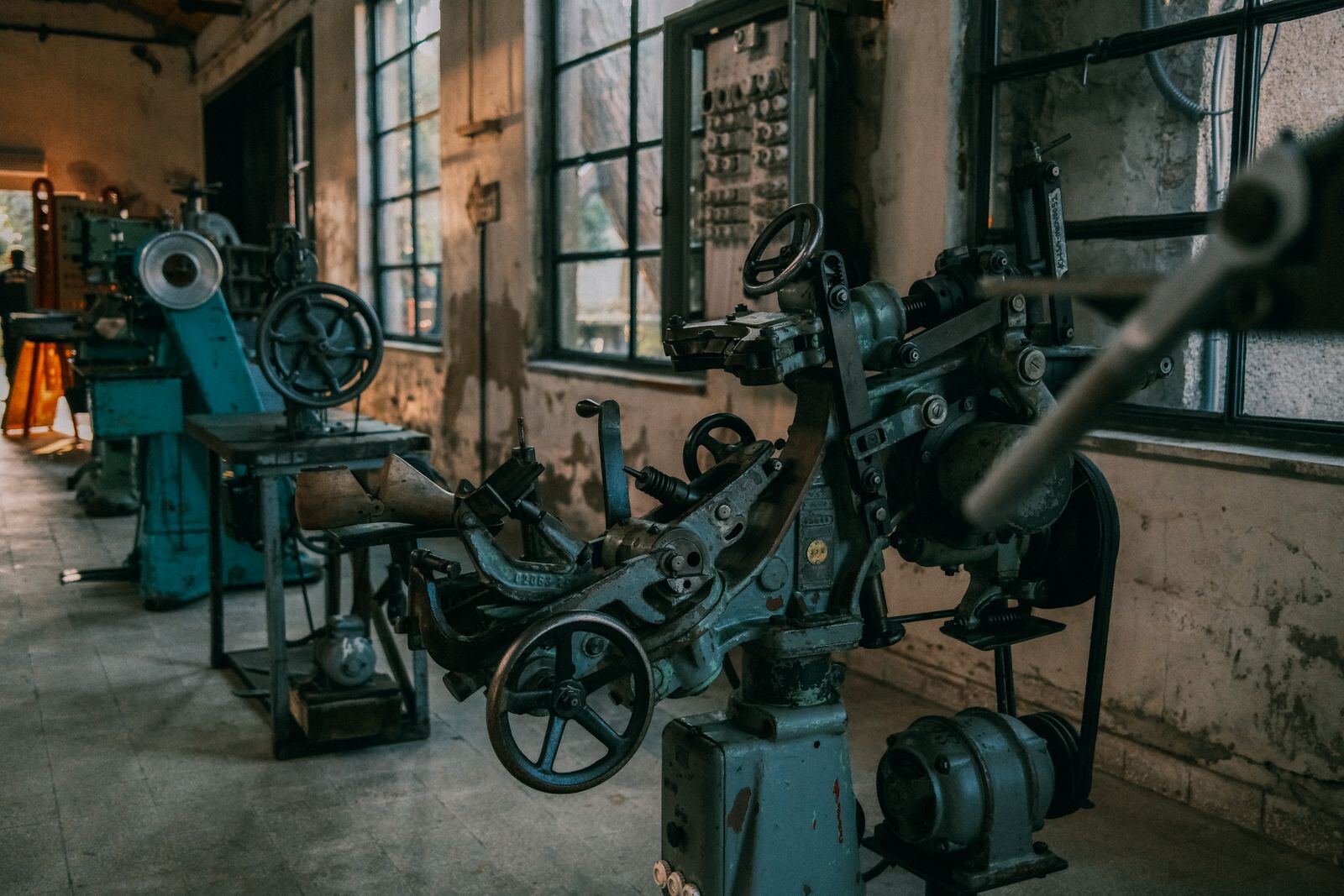
Work packages end. In Preston that is the main reason a working firm has surplus, because so much of the city's machining, composites, tooling and fabrication trade is tied to aerospace programmes at Samlesbury and beyond. A package finishes, the machining centre bought for it goes quiet and the fixtures fill a rack. Food producers at Roman Way and the distribution operators at Walton Summit add their own: packing lines, racking, forklifts and the cabins from a site that has been tidied up.
None of it needs the business to stop. We catalogue where the items stand, sell by online timed auction and manage viewing and collection around production. The trade in Blackburn, Chorley, Leyland and Lancaster is close enough to attend a viewing day, and the rest of the UK bids online. We tell you before you commit which lots are worth the effort.
Tooling and composites kit after a work package ends
The machine tools are the most straightforward part. Vertical machining centres, CNC lathes, grinders and EDM machines have a national market, and buyers read the catalogue for control type, hours, tooling and service history before they bid. We give them all of that and a photograph of the control screen.
Composites kit is more specialist. Curing ovens, autoclaves, freezers for material, vacuum pumps and clean room fit out have fewer buyers, and those buyers are often a long way off. For a single large item a private treaty sale to one of them can beat the auction, and we say so when we think it applies.
Tooling needs sorting before it is listed. Standard tool holders, vices, chucks and workholding stay in use across the trade. Fixtures made for one part sell for their material. Anything the customer paid for goes back to the customer, and we ask about that during our first visit rather than finding out at collection.
Red Scar, Walton Summit and the route out
Red Scar at Ribbleton, Walton Summit and Roman Way off the A59 have yards built for large vehicles, while Riversway's smaller units near the old docks are tighter. Which applies at your address is settled by a visit, where we look at the approach and turning space, the loading door, the floor and the route out, and the catalogue carries what we find.
Inside the building is where care is needed. A machine in the middle of a live shop comes out past machines that are still cutting, and the route is agreed with you and marked in the catalogue before anyone bids. Disconnection is by a qualified electrician, never the buyer. Coolant is drained and swarf cleared, and the machine is left on its feet for the rigger.
Collection runs in booked slots in a window you set. If you have a shutdown week, that is usually the easiest time to move the big lots.
What these sales can include
- Machine tools and CNC equipment
- Forklifts and access platforms
- Pallet racking and shelving
- Compressors and air tools
- Welders and fabrication kit
- Vehicles and trailers
- Test and measurement equipment
- Site accommodation and containers
- Packaging and labelling machines
- Obsolete stock and components
- Office furniture and IT
- Catering and canteen equipment
Selling from a live site
Most surplus sales happen inside a business that is still trading. That changes how we work. Cataloguing is done around your shifts. Viewing is by appointment or on a single day, with visitors signed in and escorted. Collection is booked in slots so that nobody is moving a machine through the middle of a production run.
Items that are still bolted down, plumbed in or connected to services are isolated by a competent person before collection, with electrical and gas disconnection done by qualified people. Buyers arrange and pay for the removal of their lots, and they do not disconnect services themselves.
Tell us about anything that affects access: weight limits on floors, door heights, crane availability, restricted hours. It all goes in the catalogue so buyers plan the removal properly.
The surplus equipment sales page covers what counts as surplus, one sale or a standing arrangement, pricing, reserves and the buyer's premium, after the sale.
Questions about selling in Preston
- Can we sell the machines but keep the fixtures and tooling for the next package?
Yes. You decide what goes in. We walk the shop with you, tag what is for sale and leave the rest untouched, and the catalogue lists only the tagged items. A firm may well sell a machine and keep the workholding and cutting tools for the replacement. One suggestion: if the fixtures are for a part that is finished, they have more value with the machine than on a shelf, and we would say so at the visit.
- Our food unit runs a night shift. When would you catalogue and collect?
Cataloguing takes a few hours and can be done between shifts or in the quiet part of the day, with our staff working to your hygiene rules. Viewing is one appointment day with visitors signed in and escorted. Collection is booked in slots that you set, and for a food site we usually pick a day when the affected line is down. If an item cannot leave without stopping production, we say so and plan its slot for a planned break.
More questions about surplus equipment
Related services
Guides
- Preparing machinery and equipment for sale
What to do before viewing day. Keep the machines that can be run safely available to demonstrate, isolate the rest, clean but do not repaint, find the tooling and manuals, and sort out access for removal.
- How used machinery is valued
Buyers pay for what a machine will do for them, less what it costs to get it out and running. This guide explains how make, hours, tooling, demand and removal cost feed a guide price, and why that price is not book value.