 Britannia Auctions
Surplus equipment sales in Stoke-on-Trent
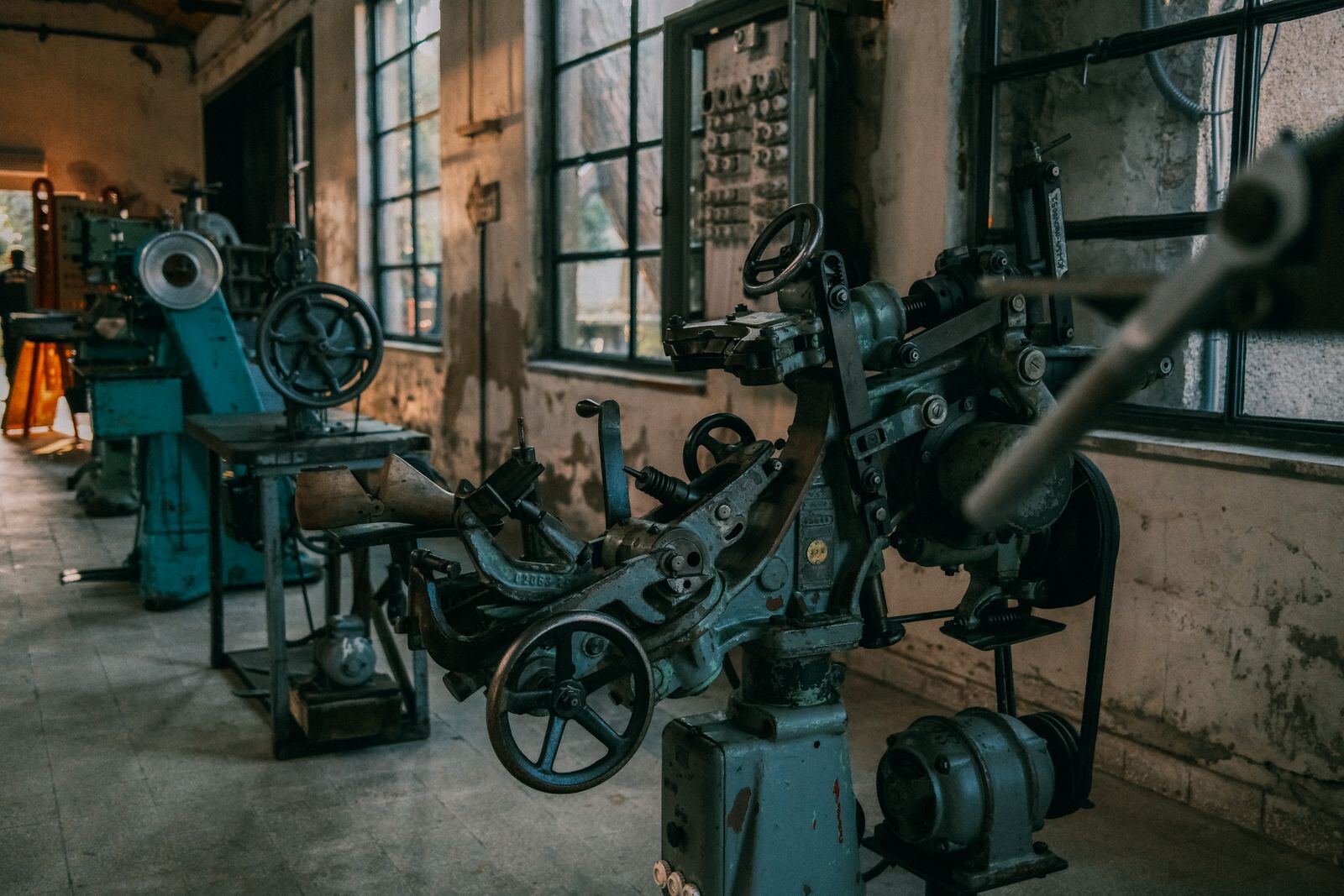
A pottery that changes its range is left with the plant for the old one. Kilns, jiggers, moulds by the thousand, glaze mixers, the packing line sized for a product that no longer sells. In Stoke-on-Trent that is the surplus we see most, alongside the racking and forklifts from the distribution sheds along the A500 and the tooling from engineering and plastics firms across the six towns.
Selling it does not have to interrupt the firing schedule. We catalogue where the items stand, run an online timed auction over a week or two, bring buyers in by appointment and book collection into slots that suit you. What a kiln needs in order to come out is settled when we walk the site, when we look at the access, the yard, the door and the route inside.
Send us a list through the form and we will tell you what is worth selling and what is not.
Ceramics plant and a market that knows it
Kilns, presses, casting benches and glaze plant have a small and knowledgeable market, much of it within a few miles. Other potteries, mould makers, kiln engineers and glaze suppliers in the six towns and around Newcastle-under-Lyme and Leek are near enough to come and see the lots. Online bidding adds studio potters across the country, and export interest is possible on the smaller kilns.
Moulds are the awkward lot. Working moulds for a live shape are valuable to whoever makes that shape. Moulds for a discontinued line are plaster. We will tell you which yours are, and lot the good ones with the shape name and quantity so buyers can bid with confidence.
Packaging and labelling machines from the finishing end of the works are catalogued for a wider market, including food and drink firms across the Midlands, and can be worth more than the ceramics plant they sat next to.
Collection, kilns and what we check
Etruria Valley and Trentham Lakes were built for lorries, and many of the older works have a yard of some kind. What that means for a particular lot is checked at the site visit: the approach and turning space, the loading door, the floor and the route out. What each item needs in order to leave depends on its weight and dimensions.
That does not remove the planning. A kiln is isolated and disconnected by qualified people, electrical and gas alike, not by the buyer. Anything still warm from the last firing waits. Collection is booked into slots within a window you set, and our staff attend to release each lot against a paid invoice only.
Distribution surplus, racking and trucks from the sheds along the A50 and A500, is a different rhythm. Racking is easiest to judge while it is standing, and it can come down in phases around your stock. Forklifts drive onto a truck. Small lots can go to our own premises and sell from there.
What these sales can include
- Machine tools and CNC equipment
- Forklifts and access platforms
- Pallet racking and shelving
- Compressors and air tools
- Welders and fabrication kit
- Vehicles and trailers
- Test and measurement equipment
- Site accommodation and containers
- Packaging and labelling machines
- Obsolete stock and components
- Office furniture and IT
- Catering and canteen equipment
Selling from a live site
Most surplus sales happen inside a business that is still trading. That changes how we work. Cataloguing is done around your shifts. Viewing is by appointment or on a single day, with visitors signed in and escorted. Collection is booked in slots so that nobody is moving a machine through the middle of a production run.
Items that are still bolted down, plumbed in or connected to services are isolated by a competent person before collection, with electrical and gas disconnection done by qualified people. Buyers arrange and pay for the removal of their lots, and they do not disconnect services themselves.
Tell us about anything that affects access: weight limits on floors, door heights, crane availability, restricted hours. It all goes in the catalogue so buyers plan the removal properly.
The surplus equipment sales page covers what counts as surplus, one sale or a standing arrangement, pricing, reserves and the buyer's premium, after the sale.
Questions about selling in Stoke-on-Trent
- Some of our kilns are old. Are they worth anything?
Some are. An electric kiln with sound elements and a working controller suits studio potters and small producers whatever its age. A large gas kiln that has been rebuilt more than once is harder, and a tunnel kiln is usually a dismantling job for scrap value. We give you an opinion on each one before you commit. It is an opinion, and the price on the day is set by the bidders.
- Can you sell part used raw materials, glaze and clay along with the plant?
Yes, as obsolete stock. Bagged clay, glaze materials and packaging in unopened quantities sell to other potteries and to studio buyers, usually as job lots by the pallet. Opened or contaminated material is not worth listing and we say so. Stock is catalogued with the quantity and the batch details you have, and it collects in the same window as the plant. It rarely makes much on its own, but it clears the store and saves a disposal cost.
More questions about surplus equipment
Related services
Guides
- Preparing machinery and equipment for sale
What to do before viewing day. Keep the machines that can be run safely available to demonstrate, isolate the rest, clean but do not repaint, find the tooling and manuals, and sort out access for removal.
- How used machinery is valued
Buyers pay for what a machine will do for them, less what it costs to get it out and running. This guide explains how make, hours, tooling, demand and removal cost feed a guide price, and why that price is not book value.