 Britannia Auctions
Surplus equipment sales in Warrington
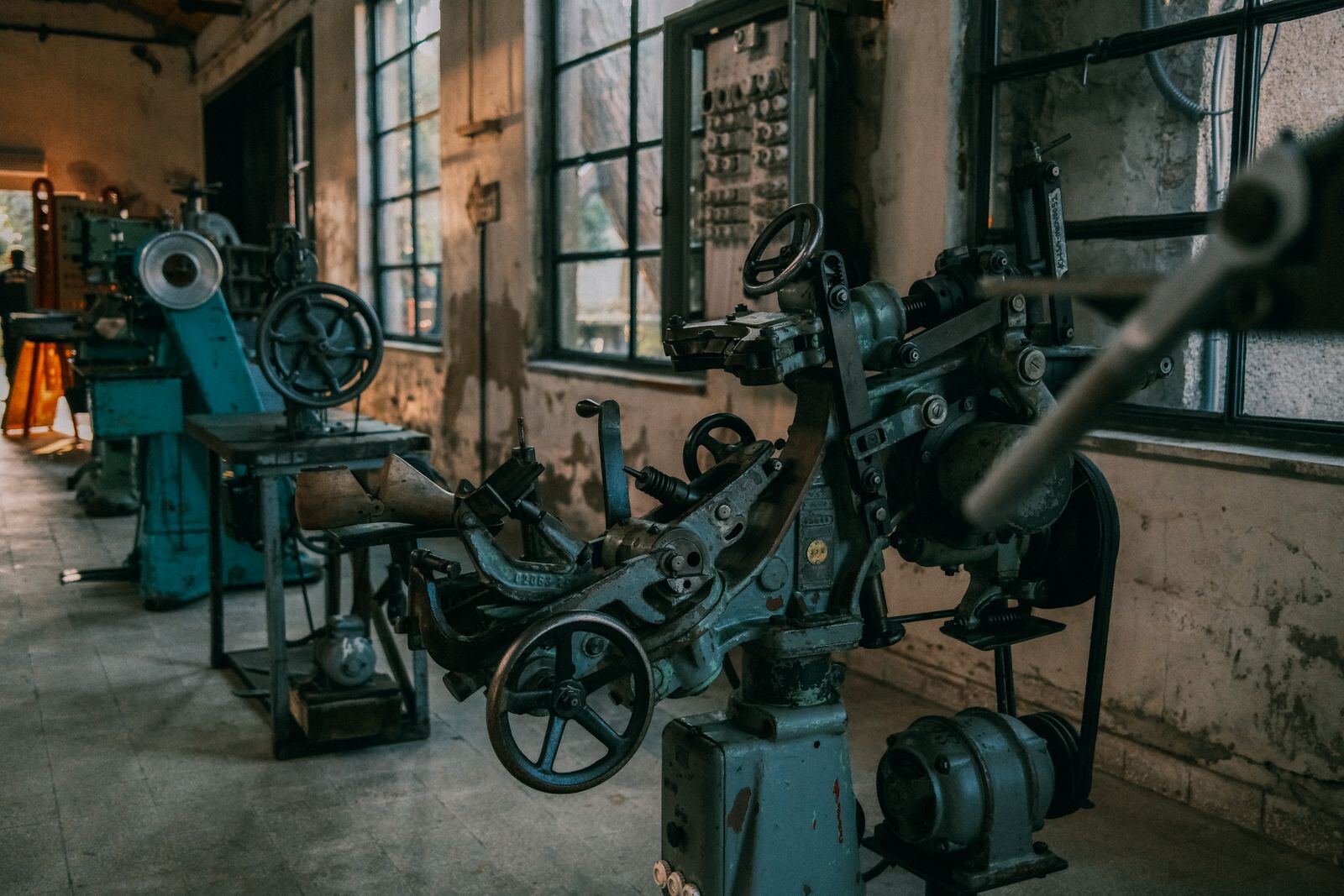
Distribution contracts end. When a retailer moves its stock out of a shed at Omega or Gemini, the operator is left with a building full of racking, dock levellers, pallet trucks and a forklift fleet on a lease that runs longer than the work did. That is the most common surplus call we take from Warrington. The second most common is the engineering firm on Woolston Grange or Appleton Thorn that has replaced a machine and wants the old one gone.
Both are sales from a site that is still working. We catalogue the lots where they stand, list them in an online timed auction over a week or two and book collection in slots that suit your yard. The trade in Widnes, Runcorn, St Helens and Wigan is a short trip from the viewing day. The rest bid online from wherever they are, and with two motorways at the door a haulier has a straightforward run in.
When a distribution contract moves out of Omega
Racking is the bulk of it by volume and forklifts are the bulk of it by value. Wide aisle racking comes out in bays and is catalogued for other operators and for racking dealers who want beams and frames in quantity. We lot it by bay count and height, with the load notices photographed, because a buyer needs to know what it is rated for before they bid. Reach trucks, narrow aisle trucks, counterbalance forklifts and powered pallet trucks sell one at a time, with hours, mast height, battery condition and tyres in the description.
The finance on the trucks is the first question we ask. A truck on hire or lease stays with the funder until the agreement is settled and can only be offered with their agreement, so we check the paperwork early and tell you what can and cannot go in.
Permit to work sites need a different viewing day
Engineering firms at Birchwood Park and the chemical works at Bank Quay generate a different kind of surplus. Calibrated instruments, test rigs, pumps, valves, stainless vessels and workshop machines from a project that has finished. The kit is often in good order and the market for it is national, which suits an online sale.
What changes is access. Visitors are signed in and escorted, and there may be a limit on how many can be on site at once. We run viewing as a single booked morning rather than an open day, and we catalogue with enough detail and photographs that a buyer can bid without visiting. Anything that has been in contact with process chemicals needs a decontamination certificate before it can leave, and we will not list it without one.
Collection follows the same rules. One haulier at a time, in a booked slot, with our staff on the gate releasing lots against paid invoices.
What these sales can include
- Machine tools and CNC equipment
- Forklifts and access platforms
- Pallet racking and shelving
- Compressors and air tools
- Welders and fabrication kit
- Vehicles and trailers
- Test and measurement equipment
- Site accommodation and containers
- Packaging and labelling machines
- Obsolete stock and components
- Office furniture and IT
- Catering and canteen equipment
Selling from a live site
Most surplus sales happen inside a business that is still trading. That changes how we work. Cataloguing is done around your shifts. Viewing is by appointment or on a single day, with visitors signed in and escorted. Collection is booked in slots so that nobody is moving a machine through the middle of a production run.
Items that are still bolted down, plumbed in or connected to services are isolated by a competent person before collection, with electrical and gas disconnection done by qualified people. Buyers arrange and pay for the removal of their lots, and they do not disconnect services themselves.
Tell us about anything that affects access: weight limits on floors, door heights, crane availability, restricted hours. It all goes in the catalogue so buyers plan the removal properly.
The surplus equipment sales page covers what counts as surplus, one sale or a standing arrangement, pricing, reserves and the buyer's premium, after the sale.
Questions about selling in Warrington
- The forklifts in our shed are on a lease with two years to run. Can they go in the sale?
Only with the funder's agreement. A truck on lease belongs to them until the agreement is settled, so the first step is to ask what they will accept to clear it. Where a settlement figure is agreed, it is usually paid from the proceeds, and the paperwork is dealt with before the trucks go in the catalogue. You get our view on likely hammer prices first, so you can compare the two figures before deciding.
- We are between contracts and the shed is being relet. How fast can the racking be gone?
Quicker than operators often expect, if the sale is planned around the relet date. How long it takes depends on the number of bays, the access and how quickly buyers pay and clear the floor. Cataloguing a racked shed is a day or two of work, bidding runs a week to ten days and collection follows, with racking buyers bringing their own crews to dismantle bay by bay. Tell us the date the new tenant wants the keys and we will propose a timetable that works back from it.
More questions about surplus equipment
Related services
Guides
- Preparing machinery and equipment for sale
What to do before viewing day. Keep the machines that can be run safely available to demonstrate, isolate the rest, clean but do not repaint, find the tooling and manuals, and sort out access for removal.
- How used machinery is valued
Buyers pay for what a machine will do for them, less what it costs to get it out and running. This guide explains how make, hours, tooling, demand and removal cost feed a guide price, and why that price is not book value.