 Britannia Auctions
Business retirement auctions in Glasgow
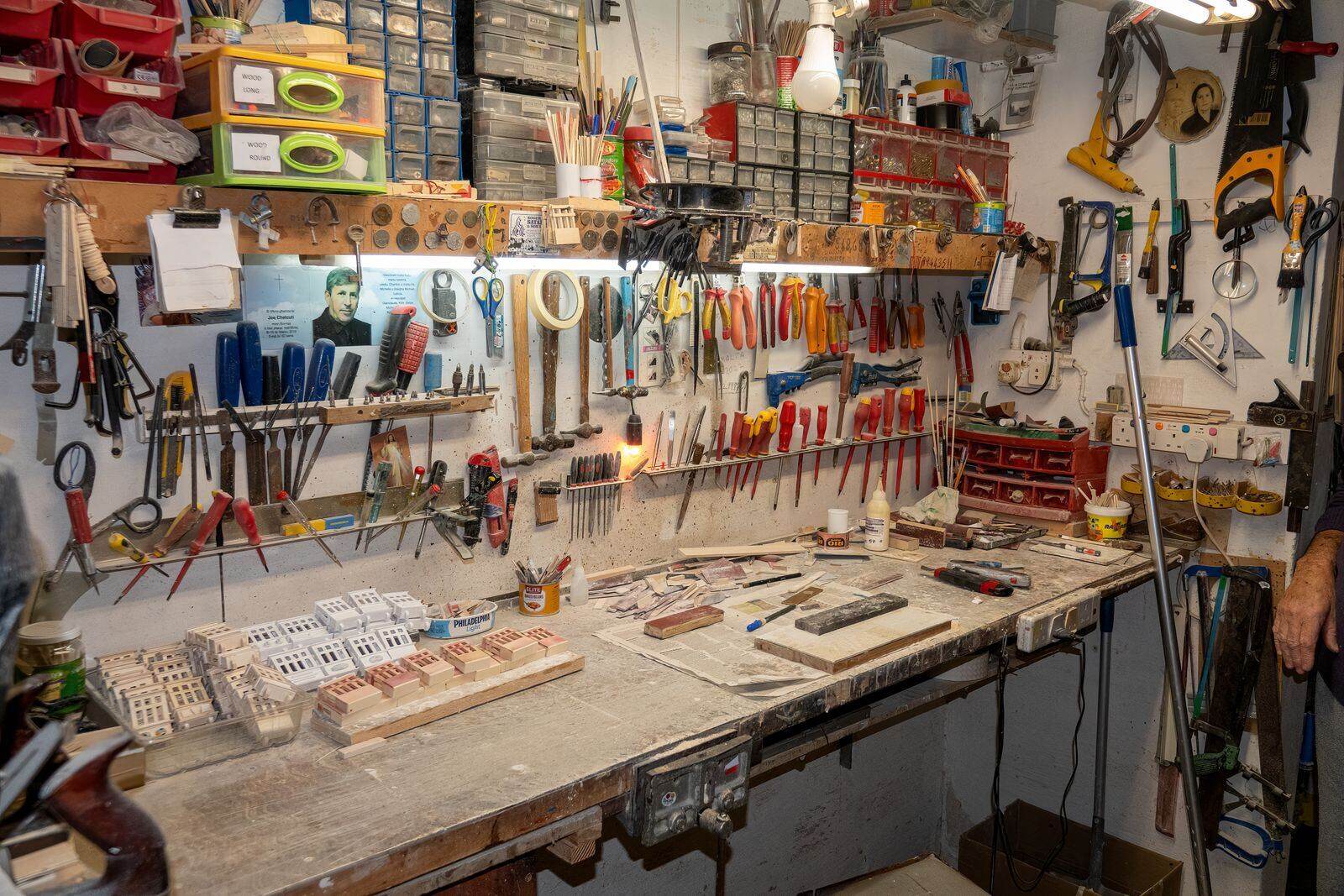
Vehicle work fills a lot of Glasgow's smaller units. An MOT station on the edge of Hillington, a body shop near Queenslie, a tyre and exhaust centre in Clydebank, a light engineering firm in Rutherglen that machines parts for the motor trade. If you are retiring and selling the workshop rather than passing the business on, the lease goes back and the contents have to be sold.
We run the retirement sale as an online auction. Vehicle lifts, tyre and brake equipment, diagnostics, compressors, the tool chests, the parts stock and the courtesy cars all get catalogued on site and photographed. Buyers view at the premises on one day, pay us, and collect in a fixed window. We account to you after collection and cleared funds.
Use the contact form and tell us what is in the workshop.
Vehicle workshops when the owner hangs up the keys
A working garage holds more sellable equipment than the owner usually expects. Two post and four post lifts, a wheel alignment rig, tyre changers, balancers, an MOT bay with its brake tester and emissions equipment, welders, a spray booth in a body shop, and years of hand and power tools. Parts stock, oils, filters and consumables sell in lots.
What garage equipment makes depends on its age, its condition and whether it has current paperwork. Bidding is online and open nationally, and the trade in Paisley, East Kilbride, Motherwell and Hamilton is near enough to come and see the lots for anyone who wants to see a lift or a tester before bidding. Diagnostics and specialist tools travel easily and are catalogued with their model numbers.
Lifts are the main item. A lift with a maintenance record and a current thorough examination can be described with confidence, which one without paperwork cannot. Tell us where the certificates are and we photograph them with the lot.
Getting lifts out before the lease ends
Removing garage equipment has its own order. Lifts are unbolted and lowered by the buyer's contractor, a brake tester set in a pit comes out in pieces, a compressor and its receiver need handling equipment suited to their weight, and a spray booth is a dismantling job that needs the landlord's agreement. What each lot takes depends on the item and the route out, and we put that in the catalogue with a date by which removal must be finished.
The main estates are easy to reach. Hillington sits by junction 26 of the M8 and Queenslie beside the M8 in the east, so a buyer with a van or a flatbed is in and out without crossing the city centre. Inner city workshops on tighter streets need a collection time that suits the neighbours, and we plan that at the site visit.
An empty, swept workshop at the end of the window is what the landlord expects, and what we work towards.
What these sales can include
- Workshop machinery
- Hand and power tools
- Vans and company vehicles
- Trade stock and consumables
- Racking and storage
- Forklifts and pallet trucks
- Office furniture and IT
- Welding and fabrication equipment
- Compressors and generators
- Vehicle lifts and garage equipment
- Catering and canteen equipment
- Signage and shop fittings
How the sale runs
It starts with a conversation. We ask what you have, where it is, and when you need it gone. Then we visit, walk the premises with you and agree which items are included.
We catalogue the lots on site. Each lot gets a description, photographs and, where relevant, a serial number and condition note. The catalogue goes online and the auction is marketed to buyers in the trade.
Most sales run as online timed auctions. Bidding is open for a set period, usually a week or two, with a viewing day at your premises before it closes. Buyers pay us, then collect their lots during the collection window. We account to you once the sale is reconciled, buyers have paid and the collection window has closed, from cleared funds.
The business retirement auctions page covers when an auction is the right route, what you need to prepare, values, reserves and what the buyer pays, collection day and unsold lots, other routes and when we suggest them.
Questions about selling in Glasgow
- The MOT equipment is calibrated and the bay is approved. Does that add anything?
The approval belongs to the business and does not transfer with the equipment, but calibrated testers with records sell for more than testers without. A buyer setting up or renewing a bay can put a calibrated brake tester or emissions analyser straight to work, and the records show the equipment has been looked after. We list the calibration dates in the lot description and photograph the certificates. The lane itself, if it is a fixed pit, stays with the building.
- We have customers' cars in for work and courtesy cars on finance. What happens to those?
Customers' cars go back to their owners before we catalogue, and nothing that belongs to someone else goes in the sale. Courtesy cars, recovery trucks, vans and pickups owned by the business sell as separate lots with their V5 and service history. Anything on finance, hire purchase or lease belongs to the funder until the agreement is settled and can only be sold where they agree, and the settlement figure is usually paid from the proceeds. Tell us on the first call and we take it up with them.
More questions about retirement auctions
Related services
Guides
- Auction or private treaty: which route to choose
Auction gives you a fixed date and an open market. Private treaty gives you a negotiated price and privacy. This guide sets out when each route suits, what you give up with each, and why many sales use both.