 Britannia Auctions
Business retirement auctions in Leeds
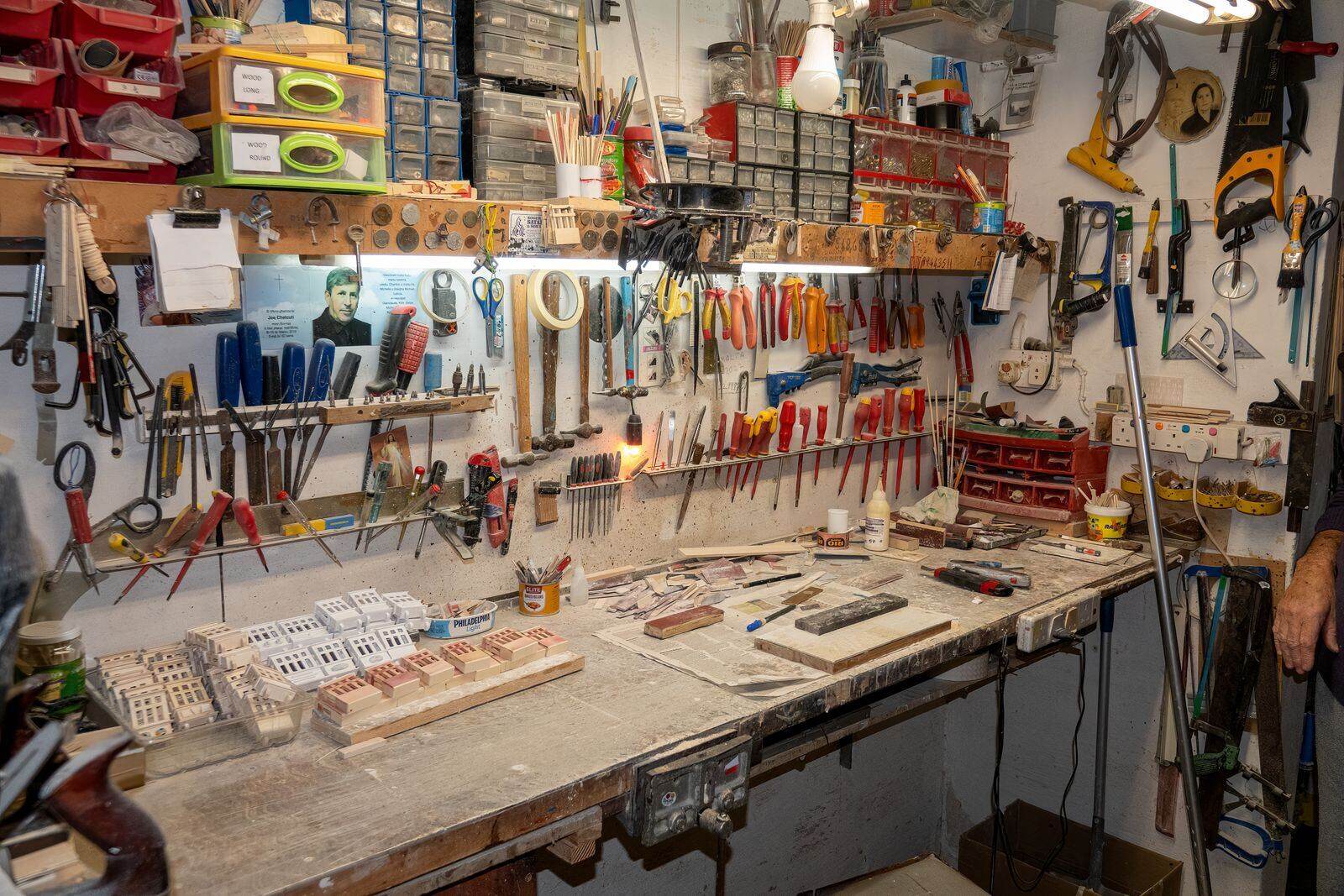
Retirement sales in Leeds are rarely one thing. The business in Hunslet or Stourton might be a trade counter with a small workshop behind it, a print room with a finishing department, a joinery, or a metal processor with a yard of stock. If you are retiring and selling the contents rather than the company, the unit usually has to be empty by a date the landlord has set.
We handle the whole lot in one online timed auction. The machinery goes as individual lots and the stock goes in sensible bulk lots. Vans, forklifts, racking and office contents fill out the catalogue. Buyers pay us, collect during a fixed window, and you receive the proceeds after collection and cleared funds.
The southern estates sit within minutes of the M621 and M1, so trade buyers from Bradford, Wakefield, Huddersfield and Halifax can be with you on the viewing day without much effort. If you want to talk it through, use the contact form.
Print rooms and trade counters as they wind down
A print business that has run for thirty years has presses, folders, guillotines and a stack of consumables, and usually a finishing department that was added later. The presses interest other printers and dealers who export. Guillotines and folders suit any print room. Paper and ink stock goes in lots by type.
A trade counter is different. The value is in the stock, the racking, the forklift and the delivery vans rather than in any single machine. We catalogue stock by shelf or by pallet with a clear description of what is there, so a buyer from Castleford or Dewsbury can bid for a whole bay of fittings without opening every box.
Both kinds of business often have a small workshop at the back with a saw, a compressor, a welder and a bench. Those go in too, as separate lots, because equipment of that kind suits a wide range of buyers.
Selling the stock alongside the machinery
Owners often ask whether the stock should go to a competitor before the sale. Sometimes yes. A rival who buys the whole stock holding at a fair price saves you the trouble of cataloguing it, and if the offer is there we suggest taking it. More often the offer is low, or it covers the fast movers and leaves the rest.
In that case the stock goes into the auction. Lotting is the part that needs judgement: big enough to be worth a buyer's journey, small enough that more than one buyer can take it on. Whole bays, full pallets, complete ranges, sealed cartons. Broken quantities and shop soiled items go into a clearance lot at the end.
Vehicles are the other question. A van on finance belongs to the funder until the agreement is settled and can only be sold where they agree, so tell us early. Vans you own outright go in as separate lots with the V5 and the service history, and the auction is online and open to bidders anywhere in the UK.
What these sales can include
- Workshop machinery
- Hand and power tools
- Vans and company vehicles
- Trade stock and consumables
- Racking and storage
- Forklifts and pallet trucks
- Office furniture and IT
- Welding and fabrication equipment
- Compressors and generators
- Vehicle lifts and garage equipment
- Catering and canteen equipment
- Signage and shop fittings
How the sale runs
It starts with a conversation. We ask what you have, where it is, and when you need it gone. Then we visit, walk the premises with you and agree which items are included.
We catalogue the lots on site. Each lot gets a description, photographs and, where relevant, a serial number and condition note. The catalogue goes online and the auction is marketed to buyers in the trade.
Most sales run as online timed auctions. Bidding is open for a set period, usually a week or two, with a viewing day at your premises before it closes. Buyers pay us, then collect their lots during the collection window. We account to you once the sale is reconciled, buyers have paid and the collection window has closed, from cleared funds.
The business retirement auctions page covers when an auction is the right route, what you need to prepare, values, reserves and what the buyer pays, collection day and unsold lots, other routes and when we suggest them.
Questions about selling in Leeds
- We are still serving customers at the counter. When do we stop?
A common approach is to keep trading through the cataloguing and into the bidding period, then close the counter a few days before the viewing day. That gives buyers a clean look at the stock and stops the awkward situation where a lot in the catalogue has been sold across the counter. If you want to run the stock down before the sale, that is fine too, but tell us so the catalogue reflects what is actually left when the auction closes.
- How do buyers collect stock from the racking without damaging the units that other buyers have bought?
We stage the collection and agree the order with you before the sale closes. Small lots and hand carry items usually go first, then forklift lots and full pallets, with our staff checking each paid invoice before anything leaves. Racking is normally collected once the bays it holds are empty, and the buyer of the racking dismantles it at their own cost. The order depends on the building and the lots rather than a standard rule.
More questions about retirement auctions
Related services
Guides
- Auction or private treaty: which route to choose
Auction gives you a fixed date and an open market. Private treaty gives you a negotiated price and privacy. This guide sets out when each route suits, what you give up with each, and why many sales use both.