 Britannia Auctions
Business retirement auctions in Edinburgh
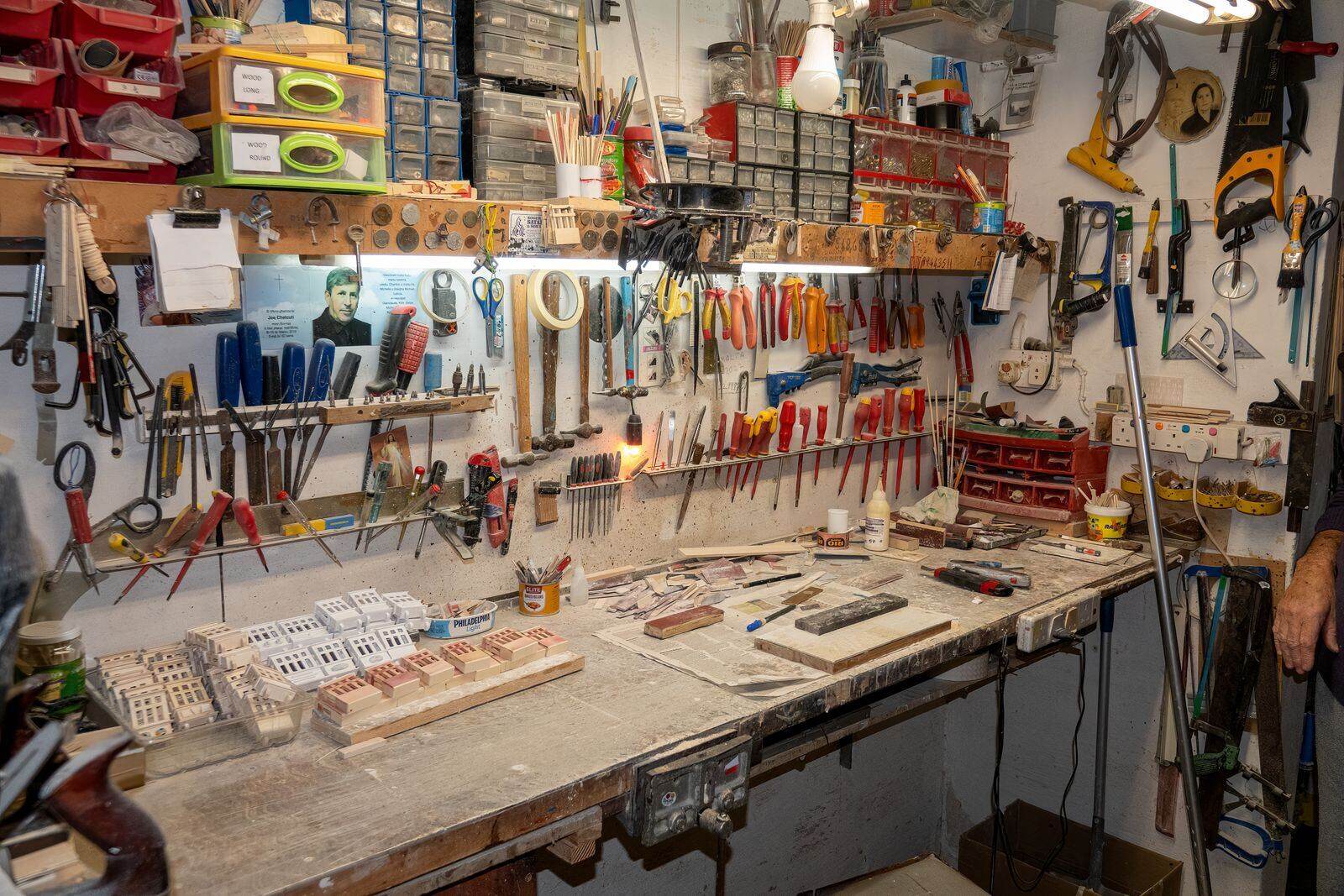
Edinburgh's industrial base is on its edges. A groundworks contractor with a yard at Sighthill, a plant hire firm at Newbridge, a joiner at Loanhead with a workshop full of machines, a vehicle repairer at Seafield. If you are retiring and selling the plant and vehicles rather than transferring the business, an auction puts them in front of the trade that uses them.
A retirement auction turns the yard into money on a fixed date. We walk the site with you, agree what is included, catalogue every lot with photographs and sell it online with a viewing day at the yard. Buyers pay us and collect in a fixed window. Reserves can be set on the main items and a single high value machine can go by private treaty.
Tell us what is in the yard through the contact form. Any job, big or small.
Contractors' yards and the plant inside them
A construction or groundworks business in retirement sells a yard full of practical kit. Excavators, dumpers, telehandlers, compaction plant, site cabins, welfare units, trench boxes, small tools by the pallet and a fleet of tippers and pickups. A joinery or building contractor adds woodworking machinery, scaffold, ladders and a workshop.
Hours and service records in the catalogue give a buyer something to bid on, and plant without them is harder to describe. Bids are placed online and the sale is open to the rest of the country, and the trade in Livingston, Dalkeith, Musselburgh and Penicuik, and across the bridge in Fife, is close enough to walk the lots on the viewing day. Buyers further away send a low loader.
The vehicles need the V5 and a note of any finance. The small tools sell in trade lots by type. Scaffold is sold by the bundle and counted before it is catalogued, because a counted bundle is easier to bid on than a stack.
Western estates make removal straightforward
The estates at Sighthill and Newbridge sit close to the bypass and the M8, which is the usual route in for a low loader. What happens at the gate still depends on the yard, so we check the turning space, the hard standing and the loading arrangements at the site visit. Plant that drives can go onto a transporter in the yard, and vans take the small lots.
Older units at Seafield and near the port, and some of the yards south of the bypass at Loanhead, are tighter. Narrow gates, shared access, parked cars and neighbours to think about. We look at that when we first visit and set collection times to suit, and the catalogue tells buyers what to expect so their haulier can quote before bidding.
The buyer appoints and pays for the transport. Our staff are on site through the collection window to release lots against paid invoices, and we keep to the order agreed with you so heavy vehicles are not waiting behind vans.
What these sales can include
- Workshop machinery
- Hand and power tools
- Vans and company vehicles
- Trade stock and consumables
- Racking and storage
- Forklifts and pallet trucks
- Office furniture and IT
- Welding and fabrication equipment
- Compressors and generators
- Vehicle lifts and garage equipment
- Catering and canteen equipment
- Signage and shop fittings
How the sale runs
It starts with a conversation. We ask what you have, where it is, and when you need it gone. Then we visit, walk the premises with you and agree which items are included.
We catalogue the lots on site. Each lot gets a description, photographs and, where relevant, a serial number and condition note. The catalogue goes online and the auction is marketed to buyers in the trade.
Most sales run as online timed auctions. Bidding is open for a set period, usually a week or two, with a viewing day at your premises before it closes. Buyers pay us, then collect their lots during the collection window. We account to you once the sale is reconciled, buyers have paid and the collection window has closed, from cleared funds.
The business retirement auctions page covers when an auction is the right route, what you need to prepare, values, reserves and what the buyer pays, collection day and unsold lots, other routes and when we suggest them.
Questions about selling in Edinburgh
- Some of our plant is at a customer's site on a long hire. Can it still go in the sale?
It can, once it is back. We agree a date for everything to return to the yard before cataloguing, because buyers want to see the machine and check the hours at the viewing, and a lot that is not there on collection day causes trouble. If the customer would rather keep the machine, sell it to them before the auction and leave it out. Plant on finance needs the lender's consent before it goes in.
- Our yard lease runs to a quarter day. How do we time the sale?
Work back from the day the keys go in. The auction should close a week or two before, with the collection window in the days after and a margin at the end for the last heavy lot. Scottish leases often run to the term days in May, August, November and February, so we fix the auction dates as soon as you know the end date. How long each stage takes depends on how many lots there are and the access. If the margin is too small we can collect the lots and sell them from our own premises.
More questions about retirement auctions
Related services
Guides
- Auction or private treaty: which route to choose
Auction gives you a fixed date and an open market. Private treaty gives you a negotiated price and privacy. This guide sets out when each route suits, what you give up with each, and why many sales use both.