 Britannia Auctions
Business retirement auctions in Manchester
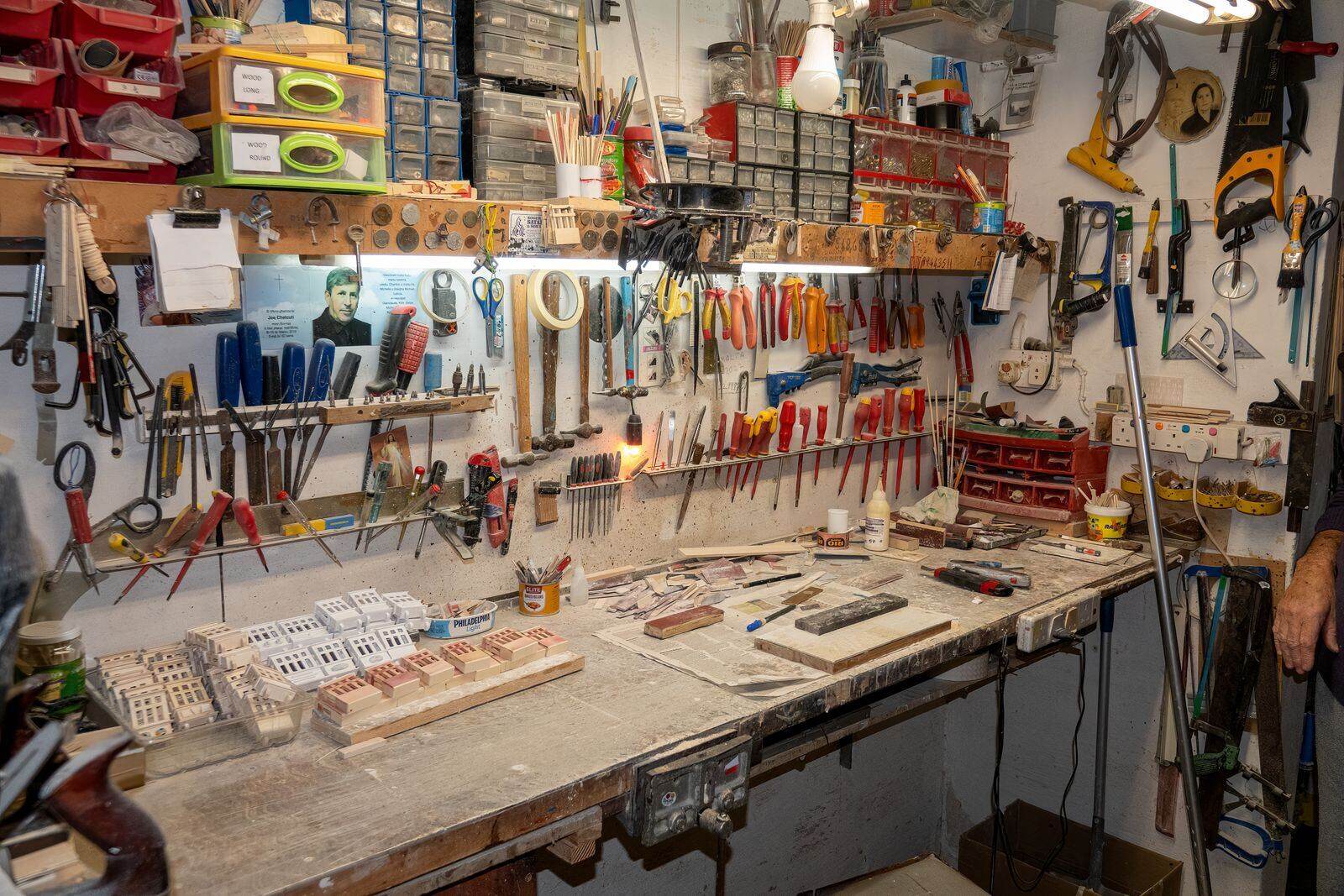
Small engineering and packaging firms fill the older units in Openshaw and Newton Heath. If you are retiring and selling the equipment rather than transferring the business, what has to be dealt with is a unit full of machinery and a lease that ends on a quarter day.
We run retirement auctions that deal with all of it. Machinery, vans, racking, stock, the compressor in the corner and the desks upstairs go into one online timed sale. The auction closes on a date we agree with you, buyers pay us, and they collect over a few days that follow. You are paid after collection and cleared funds.
The M60 puts the estates within easy reach of the trade from Stockport to Bolton for a viewing day, and online bidding opens the sale to bidders across the country. Use the contact form to start the conversation.
Retiring from a trade business on the eastern estates
The older sites in the east of the city were built for a different era of lorry. Some have good hard standing, some have a shared yard with a tight turn and a low arch.
Where an articulated lorry can get to the door, we sell everything on site with a viewing day and a collection window. Where it cannot, we say so in the catalogue and set the collection around vans and rigid lorries. Whatever we find at the visit goes in the catalogue, so a buyer books the right vehicle before bidding rather than after.
The businesses themselves tend to be similar. A fabricator with a press brake and a couple of welders. A packaging firm with a die cutter and a gluer. A joinery shop with a spindle moulder and a dust extractor. An engineer with four manual machines and one CNC. A unit of that size may suit its own sale or a place in a collective sale alongside lots from other sellers, and we give you a view on which route fits before you commit.
On site sale or removal to our premises
Not every retirement sale needs to run at the seller's building. Where the unit is small or the lease is short, we can collect the lots, bring them to our own premises and sell them from there. That adds the cost of transport, and whether it is worth paying depends on the lots, the premises and how much time you have.
Which route suits you depends on the weight of the lots as well. Small tools, stock, office furniture and IT travel easily. A ten tonne press does not, and it is better sold where it stands with the buyer arranging the rigger.
On the larger estates, and around Trafford Park in particular, a sale on site is usually the simpler route. For a lock up unit on a back street in Salford, removal to our premises is often cleaner. Which we propose depends on the lots, the premises and the timetable.
What these sales can include
- Workshop machinery
- Hand and power tools
- Vans and company vehicles
- Trade stock and consumables
- Racking and storage
- Forklifts and pallet trucks
- Office furniture and IT
- Welding and fabrication equipment
- Compressors and generators
- Vehicle lifts and garage equipment
- Catering and canteen equipment
- Signage and shop fittings
How the sale runs
It starts with a conversation. We ask what you have, where it is, and when you need it gone. Then we visit, walk the premises with you and agree which items are included.
We catalogue the lots on site. Each lot gets a description, photographs and, where relevant, a serial number and condition note. The catalogue goes online and the auction is marketed to buyers in the trade.
Most sales run as online timed auctions. Bidding is open for a set period, usually a week or two, with a viewing day at your premises before it closes. Buyers pay us, then collect their lots during the collection window. We account to you once the sale is reconciled, buyers have paid and the collection window has closed, from cleared funds.
The business retirement auctions page covers when an auction is the right route, what you need to prepare, values, reserves and what the buyer pays, collection day and unsold lots, other routes and when we suggest them.
Questions about selling in Manchester
- The lease ends on a quarter day. How far back do we need to start?
About two months before the date works well. That allows a visit, a day or two of cataloguing, ten days or so of bidding, and a collection window that finishes before the keys go back. Shorter is possible if the lots are few and access is easy, because the catalogue goes together faster. What we try to avoid is a sale that closes the week the lease ends, since any unsold lot or a buyer who turns up late then becomes your problem and the landlord's.
- Do buyers actually travel to viewing days, or is it all online?
Both. Bidding is online, so a bid can come from someone who has only seen the photographs and the description. The viewing day matters for the lots where a buyer wants to hear a motor run or look at the ways on a lathe, and machines that can be run safely stay connected for it so they can be demonstrated. The M60 puts Warrington, Wigan, Bury and Stockport within easy reach of most estates for that day.
More questions about retirement auctions
Related services
Guides
- Auction or private treaty: which route to choose
Auction gives you a fixed date and an open market. Private treaty gives you a negotiated price and privacy. This guide sets out when each route suits, what you give up with each, and why many sales use both.