 Britannia Auctions
Business retirement auctions in Leicester
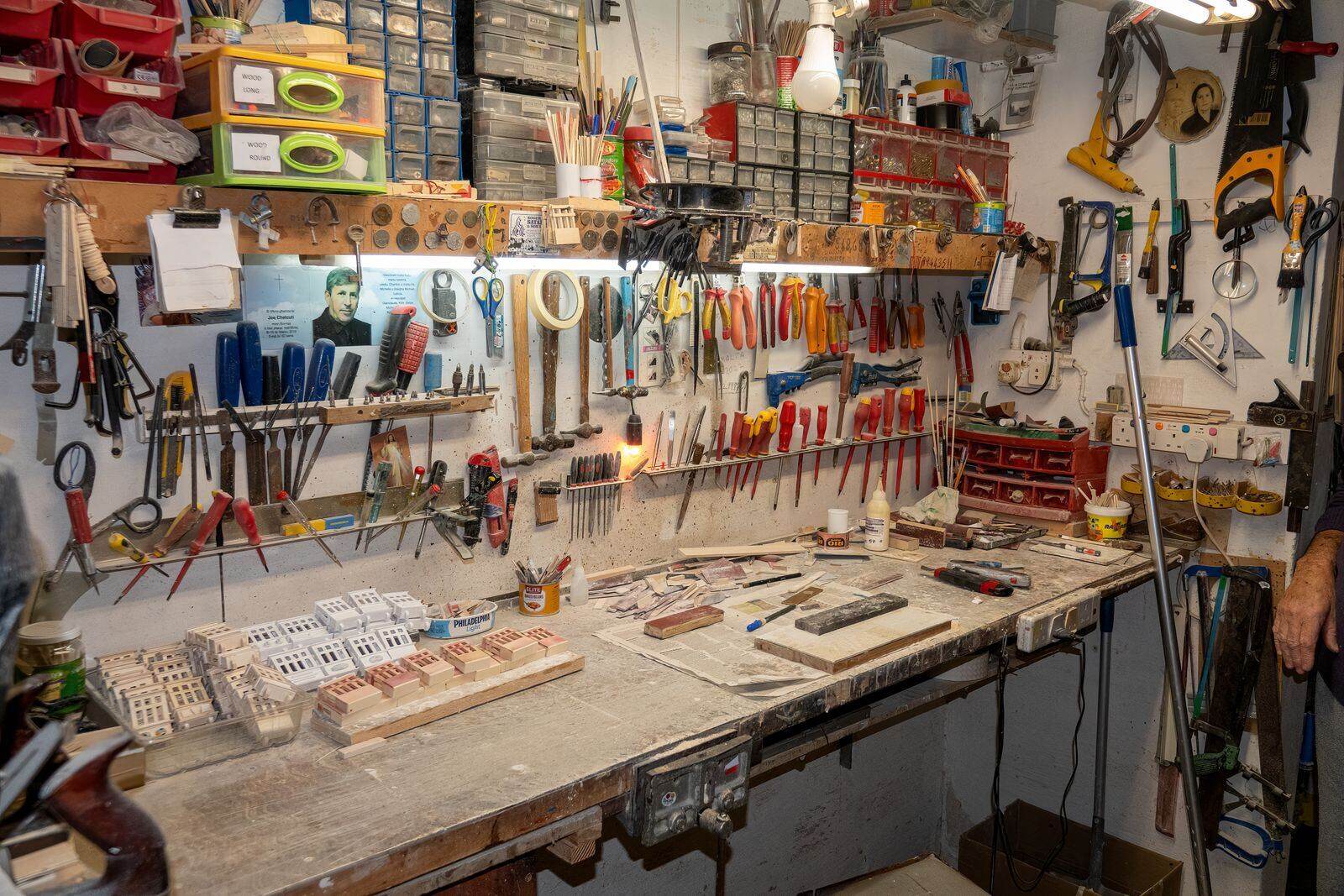
Leicester's inner city clothing workshops are small, and the equipment in them is specific to the trade. Industrial sewing machines, overlockers, cutting tables and a fusing press. If you are retiring and selling that equipment rather than transferring the business, the room has to be cleared and the landlord usually wants the unit back on a set date.
The same is true of the smaller food processing, printing, packaging and plastics firms across the city. We run retirement auctions for all of them. We come to the premises, photograph and describe every lot, and sell it in an online timed auction with a viewing day before it closes. Buyers pay us, collect in a fixed window, and you receive the proceeds once the collection is done and funds have cleared.
If you are winding down a business anywhere in the city, tell us what you have through the contact form.
Clothing workshops and the machines inside them
Textile machinery has a second hand market of its own. Lockstitch and overlock machines, bar tackers, button holers and band knives are used by other workshops across the city and by buyers who export. Cutting tables and fusing presses can go in the same sale, though they are bulkier, which narrows the field of buyers. Rails, hangers, trims and packaging sell in bulk lots.
Machines and fittings are not the same proposition, and the difference shows in how we lot them. A workshop of forty machines is worth cataloguing machine by machine, with the model and the motor type in each description, because that is what a trade buyer searches for. Rails, benches and fittings go into sensible job lots so they clear on collection day.
If there is finished stock or fabric on the roll, that can go in the same sale. Bidding runs online and is open to buyers across the UK, and the trade in Hinckley and Loughborough is near enough to come and see the lots.
Getting lots out of an inner city unit
Many of the older textile units in the east and west of the city are on narrow streets, and some are on upper floors. That shapes the sale more than anything else. On the first visit we check how a vehicle gets in and turns, the loading arrangements, the door dimensions and the floor levels, and the findings go in the catalogue so buyers know before they bid.
Removal arrangements depend on the weight and dimensions of each item, the route out and the premises. A fusing press or a large compressor may need handling equipment or specialist assistance, and an upper floor changes that again. We note the requirement on the lot and agree the collection order with you.
Units on the outer estates at Beaumont Leys and Braunstone Frith are a different job, and we check those on the visit too. Our staff are on site during collection to let lots go only when they have been paid for and keep to the order agreed.
What these sales can include
- Workshop machinery
- Hand and power tools
- Vans and company vehicles
- Trade stock and consumables
- Racking and storage
- Forklifts and pallet trucks
- Office furniture and IT
- Welding and fabrication equipment
- Compressors and generators
- Vehicle lifts and garage equipment
- Catering and canteen equipment
- Signage and shop fittings
How the sale runs
It starts with a conversation. We ask what you have, where it is, and when you need it gone. Then we visit, walk the premises with you and agree which items are included.
We catalogue the lots on site. Each lot gets a description, photographs and, where relevant, a serial number and condition note. The catalogue goes online and the auction is marketed to buyers in the trade.
Most sales run as online timed auctions. Bidding is open for a set period, usually a week or two, with a viewing day at your premises before it closes. Buyers pay us, then collect their lots during the collection window. We account to you once the sale is reconciled, buyers have paid and the collection window has closed, from cleared funds.
The business retirement auctions page covers when an auction is the right route, what you need to prepare, values, reserves and what the buyer pays, collection day and unsold lots, other routes and when we suggest them.
Questions about selling in Leicester
- My workshop is on the first floor of an old building. Can you still sell the machines from there?
Yes. What it changes is the removal rather than the sale. We record the staircase, the door dimensions and the route out at the site visit and describe them in the catalogue, so buyers arrive with the right vehicle and the right help. Removal is the buyer's job and their cost, including handling equipment or specialist assistance where an item needs it. The alternative is to collect the lots and sell them from our own premises, which can suit a small workshop where the landlord wants the floor cleared quickly.
- Do I have to wait until the lease ends before the sale can start?
No, and it is better if you do not. The sale needs a bidding period and then a collection window, and how long each takes turns on the lot count and the access, so we work back from the date the keys go back. If the lease ends at a quarter day, we would aim to close the auction two or three weeks before it, and have the unit empty with time to spare for the landlord's inspection. Starting the conversation two months out gives room for photographs and the viewing day without any rush.
More questions about retirement auctions
Related services
Guides
- Auction or private treaty: which route to choose
Auction gives you a fixed date and an open market. Private treaty gives you a negotiated price and privacy. This guide sets out when each route suits, what you give up with each, and why many sales use both.