 Britannia Auctions
Business retirement auctions in Birmingham
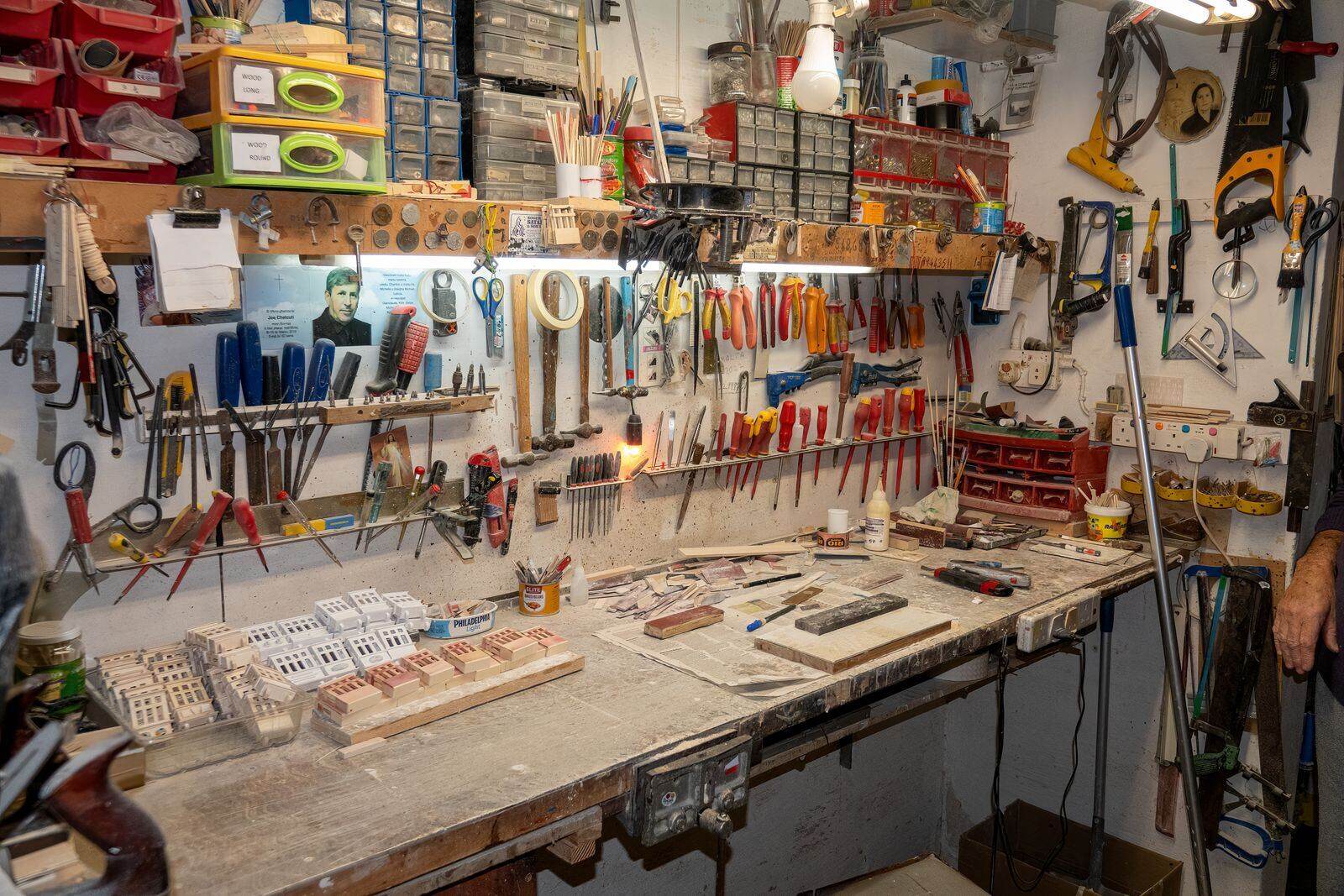
Birmingham has a long tail of family engineering firms. Pressings shops in Tyseley and Witton, plating and polishing works, fabricators, small machine shops in Aston and Saltley. Where an owner is retiring and selling the equipment rather than transferring the business, the contents of the unit have to be turned into money on a date that suits the lease.
We run retirement auctions for businesses like these. The presses, the tooling, the fork trucks, the racking and the office all go into one online sale with a fixed closing date. We catalogue at your premises, hold a viewing day, and manage collection afterwards so that you are not chasing buyers for weeks.
Bidding is online and open to buyers from every part of the UK, and the trade in the surrounding towns is well placed to come and look before bidding closes. Tell us what you have through the contact form and we will come and look.
Pressings shops and the plant inside them
A pressings shop holds more than the presses themselves. Power presses from small to large tonnage, press brakes, guillotines, tool room machines for making and maintaining the dies, and a mezzanine of tooling that only ever fitted one customer's part.
What a press makes turns on its tonnage, its condition, the state of the controls, whether the type is still in use and how easily it comes out of the building. Bidding runs online and is open to the whole of the UK, and the trade in West Bromwich, Walsall, Dudley and Redditch is within easy reach of a viewing day. Customer specific tooling is the hard part. It has scrap value unless the customer buys it back, so we suggest speaking to them before the sale is announced.
Metal finishing plant is catalogued the same way. Barrels, vibratory finishers, polishing lathes and extraction go in as separate lots. Plating lines are worth a conversation of their own, because the chemicals and the tanks bring their own rules before anyone can move them.
Planning collection where the yard is small
The older inner city estates were laid out for lorries a lot smaller than today's. Access roads are narrow and yards are shared. There may be nowhere to stand a low loader while a press is loaded. We look at this on our first visit and write it into the catalogue.
Where a press needs a crane or a skate and jack move, the buyer appoints a machinery mover and pays for it. We agree the order of removal with you and publish it, so that vans and machinery movers are not booked into the same yard at the same time.
Newer estates near the M42 and on the Minworth side were laid out for larger vehicles, but we check each site rather than read it from the address. Whatever we find goes in the catalogue, because a buyer deciding whether to bid on a press wants to know how it is coming out before the sale closes, not after.
What these sales can include
- Workshop machinery
- Hand and power tools
- Vans and company vehicles
- Trade stock and consumables
- Racking and storage
- Forklifts and pallet trucks
- Office furniture and IT
- Welding and fabrication equipment
- Compressors and generators
- Vehicle lifts and garage equipment
- Catering and canteen equipment
- Signage and shop fittings
How the sale runs
It starts with a conversation. We ask what you have, where it is, and when you need it gone. Then we visit, walk the premises with you and agree which items are included.
We catalogue the lots on site. Each lot gets a description, photographs and, where relevant, a serial number and condition note. The catalogue goes online and the auction is marketed to buyers in the trade.
Most sales run as online timed auctions. Bidding is open for a set period, usually a week or two, with a viewing day at your premises before it closes. Buyers pay us, then collect their lots during the collection window. We account to you once the sale is reconciled, buyers have paid and the collection window has closed, from cleared funds.
The business retirement auctions page covers when an auction is the right route, what you need to prepare, values, reserves and what the buyer pays, collection day and unsold lots, other routes and when we suggest them.
Questions about selling in Birmingham
- The machines have been in the same place for decades. Will they still sell?
Age matters less than condition and whether the machine is a type people still use. An older press with a good clutch and a sound frame is a different proposition from one that has been stripped for parts or runs on a control nobody can support. Interest also turns on the tooling that goes with it, the reserve and how difficult the removal looks. We give you our opinion on likely interest before you commit, and you can decide whether to set a reserve or let a lot go.
- Can we keep trading while the sale is being prepared?
Yes. Cataloguing takes a day or two and we photograph around your work. A common approach is to finish the last orders during the bidding period and stop a few days before the viewing day. Machines that can be run without risk stay connected for the viewing, and everything else is isolated and left safe. The one thing to avoid is selling consumables or small tooling privately after we have catalogued them, because those lots will have bids on them. Agree what you need to finish and we leave it out of the sale.
More questions about retirement auctions
Related services
Guides
- Auction or private treaty: which route to choose
Auction gives you a fixed date and an open market. Private treaty gives you a negotiated price and privacy. This guide sets out when each route suits, what you give up with each, and why many sales use both.