 Britannia Auctions
Business retirement auctions in Nottingham
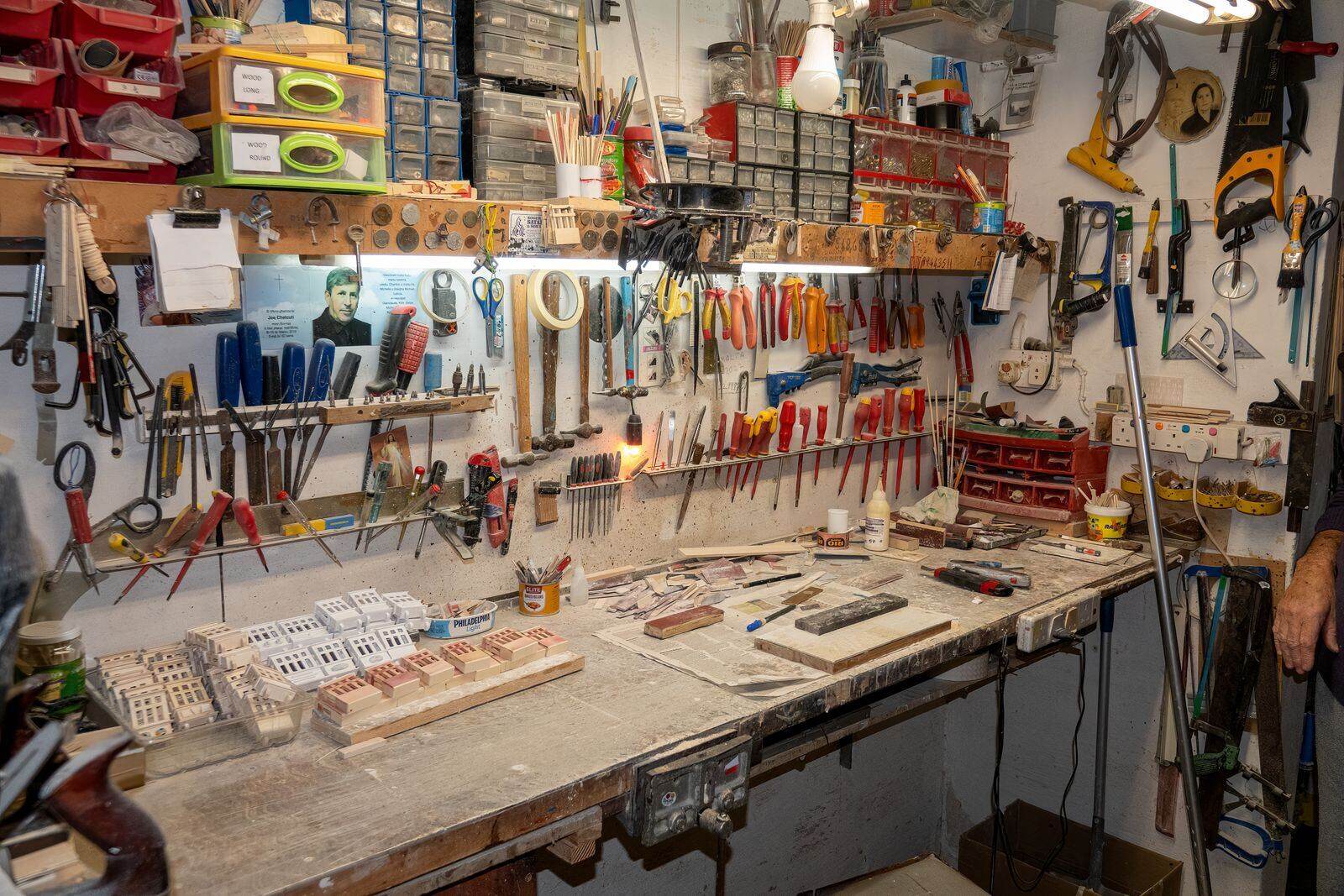
Wholesalers on Lenton Lane, printers in Colwick, engineers at Bulwell and food firms across the city face the same question at retirement. If the plan is to sell the stock and the equipment rather than the company, the sale has to reach the people who use that kind of thing, and it has to fit the date the unit is handed back.
We run retirement auctions in Nottingham that turn the whole contents into money on one date. Racking, forklifts, stock, printing presses, machine tools and vehicles are catalogued at your premises and sold in an online timed auction. A viewing day lets local buyers see what they are bidding on. Collection follows in a fixed window, supervised by our staff.
The city's ring road and the M1 junctions make it a simple place for buyers to get to. Tell us what you have through the contact form and we will arrange a visit.
Wholesalers and printers winding down
A wholesale business is mostly stock and the means of moving it. When the owner retires, the racking, the pallet trucks, the forklift and a couple of vans are the lots that suit the widest range of buyers. The stock is the part that needs thought. We catalogue it by pallet or by bay with a description that a buyer in Mansfield or Newark can rely on without visiting, and we keep the lots large enough to be worth a lorry.
Print businesses are the other regular retirement sale here. Presses, guillotines, folders and finishing equipment interest other printers and dealers who ship them abroad. The consumables go in lots by type. Plates and job specific tooling have little value and we say so in advance.
In both cases our view on prices comes before you commit. It is an opinion rather than a valuation, and used equipment is worth what a buyer pays on the day.
Viewing days that trade buyers can reach
An online auction still benefits from a viewing day, and Nottingham is easy to view. The A52 ring road connects Lenton Lane, Colwick, Bulwell and Beeston without going through the centre, and junctions 24 to 27 of the M1 put Derby, Ilkeston, Long Eaton and Loughborough within easy reach. That matters for lots where a buyer wants to see a forklift lift or a press run.
We hold the viewing day at your premises, usually a few days before the auction closes. Our staff are there, so you do not have to be. Buyers who cannot attend bid from the photographs and descriptions, and the catalogue is written for them, with model numbers, serial numbers, hours and condition notes on every main lot.
The same roads make collection straightforward. What each site takes is checked when we walk the site, and the catalogue says what will fit before anyone bids.
What these sales can include
- Workshop machinery
- Hand and power tools
- Vans and company vehicles
- Trade stock and consumables
- Racking and storage
- Forklifts and pallet trucks
- Office furniture and IT
- Welding and fabrication equipment
- Compressors and generators
- Vehicle lifts and garage equipment
- Catering and canteen equipment
- Signage and shop fittings
How the sale runs
It starts with a conversation. We ask what you have, where it is, and when you need it gone. Then we visit, walk the premises with you and agree which items are included.
We catalogue the lots on site. Each lot gets a description, photographs and, where relevant, a serial number and condition note. The catalogue goes online and the auction is marketed to buyers in the trade.
Most sales run as online timed auctions. Bidding is open for a set period, usually a week or two, with a viewing day at your premises before it closes. Buyers pay us, then collect their lots during the collection window. We account to you once the sale is reconciled, buyers have paid and the collection window has closed, from cleared funds.
The business retirement auctions page covers when an auction is the right route, what you need to prepare, values, reserves and what the buyer pays, collection day and unsold lots, other routes and when we suggest them.
Questions about selling in Nottingham
- I have a lot of slow moving stock that has been on the shelf for years. Will anyone buy it?
Some of it, yes, and usually for less than the book value. Old stock is worth what a buyer will pay to take it away, and a clearance lot at the end of the sale often finds someone who deals in exactly that. We separate it from the current stock so it does not drag down the lots buyers do want, and we describe it honestly. The alternative is to scrap or skip it, which costs money. An auction lot at least pays for its own removal.
- Can the vehicles be sold in the same auction as the stock and the racking?
Yes, and it is usually the right thing to do. Vans and forklifts are catalogued as separate lots alongside the rest of the sale. We need the V5C and service history for each vehicle, and confirmation of any finance, because an item on finance or lease stays with the funder until the agreement is settled and can only be sold where they agree. Vehicles are collected in the same window as the other lots, so the yard is clear at the end.
More questions about retirement auctions
Related services
Guides
- Auction or private treaty: which route to choose
Auction gives you a fixed date and an open market. Private treaty gives you a negotiated price and privacy. This guide sets out when each route suits, what you give up with each, and why many sales use both.