 Britannia Auctions
Business retirement auctions in Sheffield
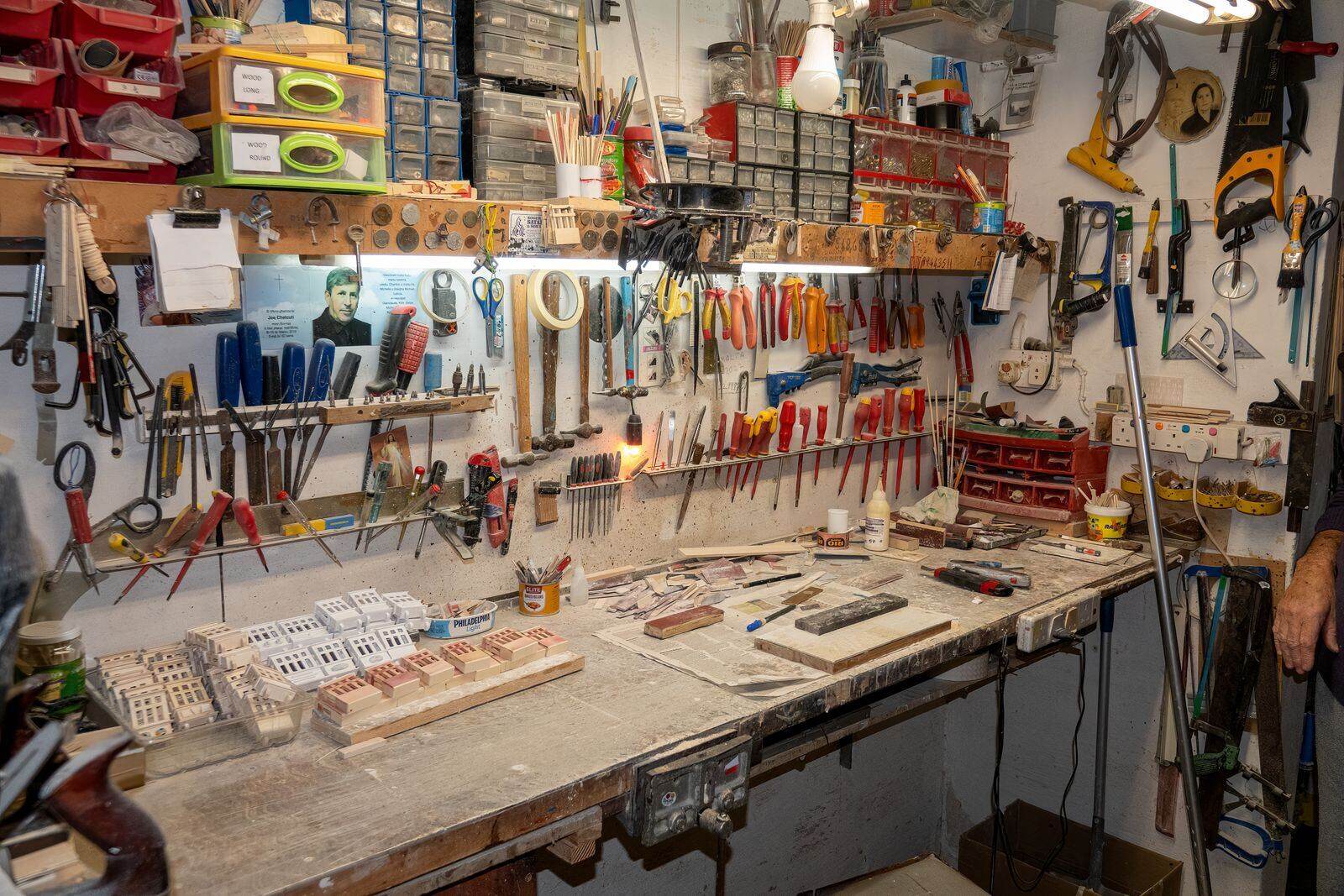
Toolrooms in Attercliffe and Darnall are still a common sight in Sheffield, many of them long established and well equipped. If you are retiring and selling the machines rather than passing the firm on, they have to be sold and the unit handed back, usually to a date the landlord has set.
The Lower Don Valley holds a lot of firms that use the same lathes, mills, grinders and presses, and the estates were built for heavy plant. We catalogue on site, run the auction online over a week or two, hold a viewing day, and supervise collection afterwards. If there is a single machine of real value, we can offer it by private treaty instead.
Tell us what is in the shop and we will visit.
Toolroom machines that have earned their keep
Older machines in good order are a common part of a Sheffield sale. Surface grinders, cylindrical grinders, turret mills, centre lathes, spark eroders and the odd horizontal borer. Manual machines of this type are still in daily use in the trade around Rotherham, Chesterfield, Barnsley and Worksop, which is close enough to attend a viewing day.
A well maintained manual machine with its tooling and a working coolant system is worth cataloguing on its own, with photographs of the ways and the chuck. The tooling, the measuring equipment, the drawings cabinet and the stock of bar are easier to bid on in coherent lots than swept into boxes.
Forge and heat treatment plant is a narrower market. Hammers, furnaces, quench tanks and manipulators have buyers, but fewer of them, and those buyers are as likely to be bidding online from elsewhere in the UK as to be in the next town. That is where the online catalogue earns its keep.
Heavy lots and the riggers who move them
A press or a large borer is a rigging job before it is anything else. The Don Valley estates were built for heavy engineering, though what a particular unit allows is still checked on the visit. The buyer appoints the machinery mover and pays for it, and we agree a slot in the collection window with you rather than work to a fixed order.
What we ask from you is honest information about the floor and the doors. If a machine went in through a wall that has since been bricked up, we need to know before the sale, not on collection day. Foundations and pits get a note in the catalogue too.
The M1 and the Parkway put Doncaster and Dronfield within easy reach, and a rigger who has the access detail from the catalogue can quote before bidding rather than after.
What these sales can include
- Workshop machinery
- Hand and power tools
- Vans and company vehicles
- Trade stock and consumables
- Racking and storage
- Forklifts and pallet trucks
- Office furniture and IT
- Welding and fabrication equipment
- Compressors and generators
- Vehicle lifts and garage equipment
- Catering and canteen equipment
- Signage and shop fittings
How the sale runs
It starts with a conversation. We ask what you have, where it is, and when you need it gone. Then we visit, walk the premises with you and agree which items are included.
We catalogue the lots on site. Each lot gets a description, photographs and, where relevant, a serial number and condition note. The catalogue goes online and the auction is marketed to buyers in the trade.
Most sales run as online timed auctions. Bidding is open for a set period, usually a week or two, with a viewing day at your premises before it closes. Buyers pay us, then collect their lots during the collection window. We account to you once the sale is reconciled, buyers have paid and the collection window has closed, from cleared funds.
The business retirement auctions page covers when an auction is the right route, what you need to prepare, values, reserves and what the buyer pays, collection day and unsold lots, other routes and when we suggest them.
Questions about selling in Sheffield
- We have a lot of measuring equipment and small tooling. Is it worth selling or should I just clear it?
Sell it. Micrometers, gauge blocks, bore gauges and height gauges are the sort of thing small machine shops look for at auction, and a lot that is described properly can be bid on without a visit. The same goes for collets, chucks, boring heads and cutter grinders. We sort it into lots that make sense to a buyer, one tray of like items rather than a random box, and photograph each one. It takes a day longer to catalogue and it makes the lots easier to sell.
- The building is being sold with the machines still in it. Does that change the sale?
It changes the timetable. The purchaser of the building usually wants vacant possession on completion, so the auction has to close and the collection window has to finish before that date. We would want to know the completion date early and work back from it with a margin of a week or two. If the purchaser wants some of the machines, they can bid like anyone else or buy them from you before the sale, and we leave those lots out.
More questions about retirement auctions
Related services
Guides
- Auction or private treaty: which route to choose
Auction gives you a fixed date and an open market. Private treaty gives you a negotiated price and privacy. This guide sets out when each route suits, what you give up with each, and why many sales use both.