 Britannia Auctions
Business retirement auctions in Bristol
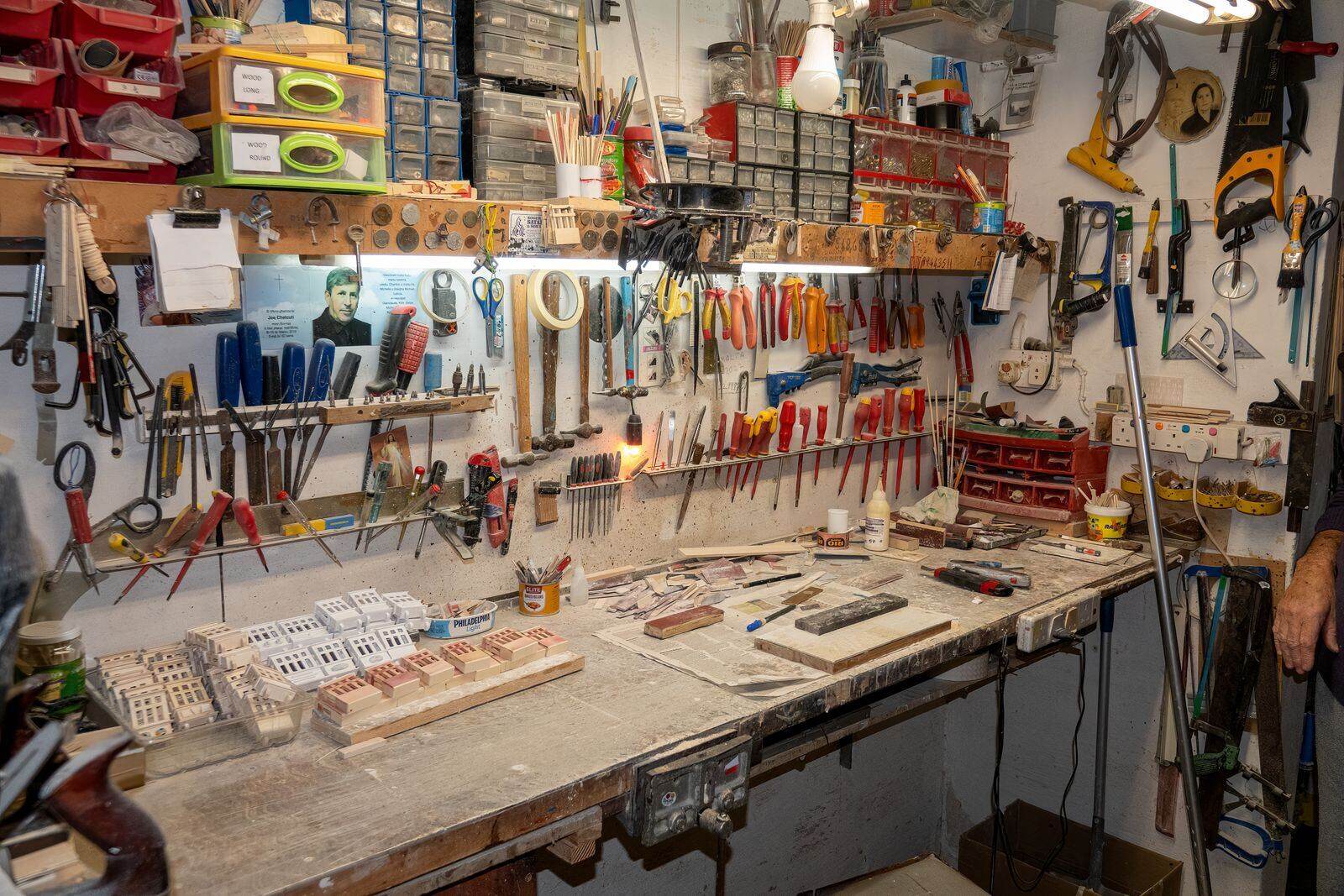
Precision machining and composites work for the aerospace firms at Filton is done by small businesses on Bristol's north fringe. If you are retiring and selling the equipment rather than transferring the business, the machines are what go into the sale, because the approvals and the customer relationships do not transfer with them.
We sell those machines by auction. CNC mills and lathes, inspection equipment, composites tooling, a compressor, the racking and the vans. We catalogue on site, sell online with a viewing day, and run the collection window. The same applies to the printers, engineers, packagers and trade firms in St Philips Marsh and Brislington, where the sale is the same but the access is not.
Tell us through the contact form what you have and we will arrange a visit.
Machine shops and composites firms on the north fringe
Aerospace subcontract work leaves a business with better equipment than most. CNC machining centres and lathes with tooling, coordinate measuring machines, surface tables, hardness testers, calibrated hand gauges. Composites firms have autoclaves, ovens, cutting tables, freezers for prepreg and a clean room's worth of fittings. The paperwork is usually in order because the customer audited it.
What each machine makes turns on its condition, its specification, the age of the control and what the removal will cost the buyer. The auction is online and open to bidders well beyond the area, and the trade in Yate, Thornbury, Keynsham and Bath is close enough to walk the lots on the viewing day. Larger CNC machines and inspection equipment draw bidders who send a haulier. Where a single machine has real value we can offer it by private treaty rather than put it in the general sale.
Calibration records add to the price of measuring equipment. Tell us where they are at the site visit and we catalogue them with the lot.
Tight inner city yards against the Avonmouth sheds
Where the business sits decides how the sale ends. The estates at Avonmouth and Severnside are flat and wide, and a low loader reaches any door. St Philips Marsh and Brislington are older, and some units sit behind narrow gates on streets with parked cars. A machining centre leaves either site, but the second one needs a plan.
We make that plan at the site visit. Gate width, turning room, whether a crane can stand in the road and whether the council needs to be told. The buyer appoints and pays the machinery mover, and the catalogue tells the rigger what to expect, so their quote is made before they bid. The order of collection is agreed with you and set out with the sale.
Buyers reach the north fringe from the M4 and M5 without touching the centre. Inner city sites are served by the M32, and the Portway carries loads out to Avonmouth and the M5.
What these sales can include
- Workshop machinery
- Hand and power tools
- Vans and company vehicles
- Trade stock and consumables
- Racking and storage
- Forklifts and pallet trucks
- Office furniture and IT
- Welding and fabrication equipment
- Compressors and generators
- Vehicle lifts and garage equipment
- Catering and canteen equipment
- Signage and shop fittings
How the sale runs
It starts with a conversation. We ask what you have, where it is, and when you need it gone. Then we visit, walk the premises with you and agree which items are included.
We catalogue the lots on site. Each lot gets a description, photographs and, where relevant, a serial number and condition note. The catalogue goes online and the auction is marketed to buyers in the trade.
Most sales run as online timed auctions. Bidding is open for a set period, usually a week or two, with a viewing day at your premises before it closes. Buyers pay us, then collect their lots during the collection window. We account to you once the sale is reconciled, buyers have paid and the collection window has closed, from cleared funds.
The business retirement auctions page covers when an auction is the right route, what you need to prepare, values, reserves and what the buyer pays, collection day and unsold lots, other routes and when we suggest them.
Questions about selling in Bristol
- Our customers own some of the tooling and fixtures in the shop. How do we keep that separate?
Sort it before we catalogue. Customer owned fixtures, gauges, tooling and drawings go back to the customer, and we will not list anything you cannot show is yours. A walk round together when we walk the site usually settles it, and a tag on anything that is going back keeps it clear on the day. Where a customer wants to buy your own tooling for their part, sell it to them before the sale and we leave it out.
- Is it worth selling the clean room and the composites freezers, or are they scrap?
They are worth cataloguing. Freezers, ovens, presses and clean room fittings interest the composites trade and laboratories, and bidding is online and open nationally rather than limited to whoever sees a local advert. An autoclave is a specialist lot with a small number of buyers and a removal job to match, so we describe it in detail and sometimes offer it by private treaty. We would rather offer a lot and find out than write it off in advance.
More questions about retirement auctions
Related services
Guides
- Auction or private treaty: which route to choose
Auction gives you a fixed date and an open market. Private treaty gives you a negotiated price and privacy. This guide sets out when each route suits, what you give up with each, and why many sales use both.