 Britannia Auctions
Business retirement auctions in Derby
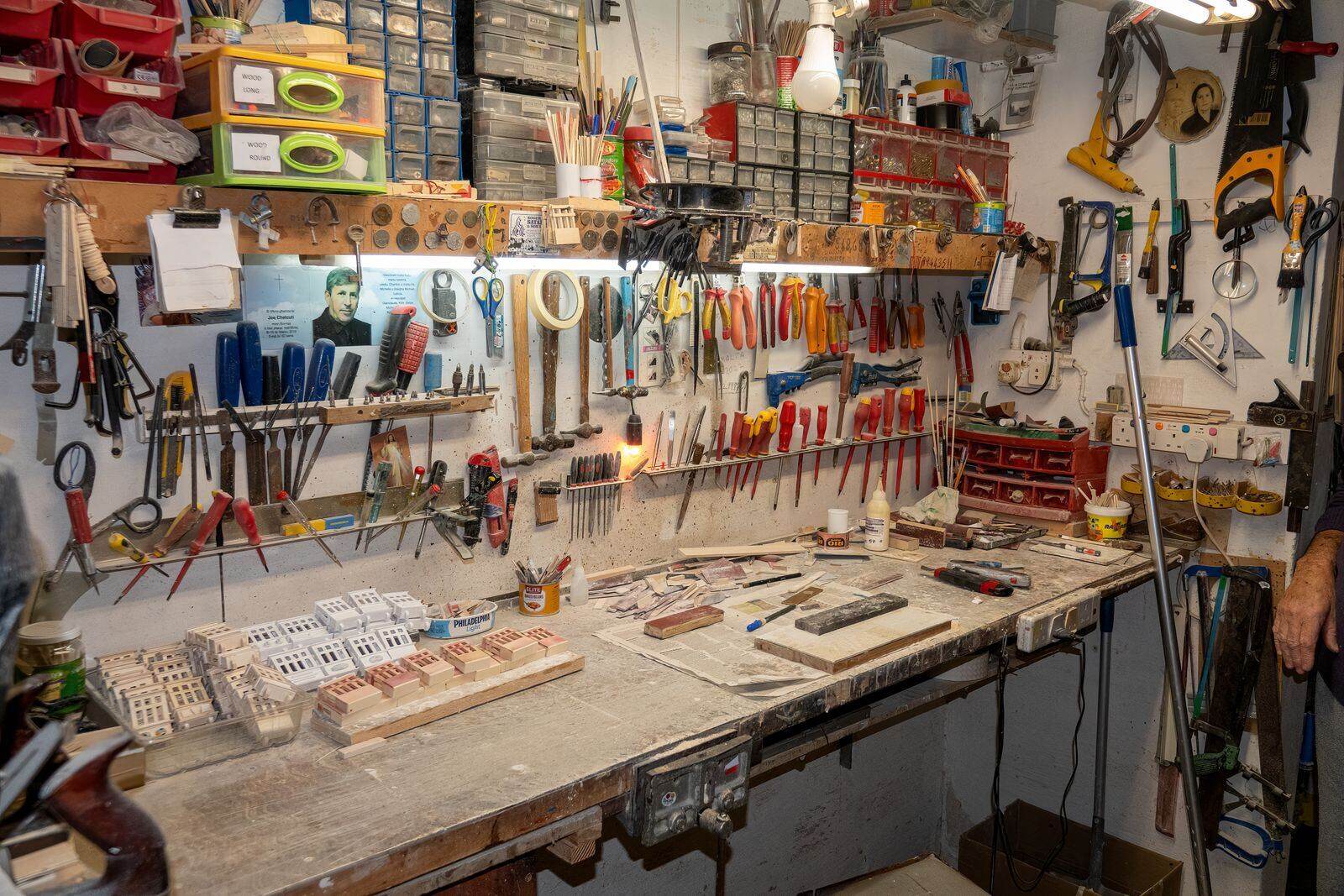
Derby's engineering supply chain is built on small subcontract machine shops. The customer approvals that take years to win are usually personal to the business and do not transfer with a sale of assets. If you are retiring and selling the machines rather than the company, an auction is one route to the trade that uses that kind of equipment.
We catalogue at your premises at Sinfin or on Ascot Drive, photograph each machine with its control and tooling, and run an online timed auction with a viewing day before it closes. Buyers pay us and collect in a fixed window. We account to you once collection and cleared funds are through.
The sale is online and open to buyers from every part of the UK, and the trade in Burton upon Trent, Belper, Ilkeston and Nottingham is close enough to attend a viewing day. Use the contact form to tell us what is on the shop floor.
Subcontract machine shops after the owner steps back
The typical Derby retirement sale is a shop of six to twelve machines. Two or three CNC machining centres or turning centres, a manual mill and lathe for second operations, a surface grinder, a bandsaw and a bench of inspection equipment. Add the compressor, the tool cabinets, the swarf skips and a small office.
Interest in a CNC machine turns on the control, the service record, the tooling and whether it still runs. A machining centre with its tooling, a fourth axis, a probing system and the manuals is usually catalogued as one lot rather than split up, because the parts are worth more together to the buyer who wants the machine. Manual machines suit smaller shops and people setting up on their own.
Aerospace and rail work leaves a shop with more inspection kit than most. Coordinate measuring machines, height gauges, surface plates and gauge sets are straightforward to describe and to move, and they are worth cataloguing lot by lot rather than in boxes.
Low loaders, foundations and the collection window
A machining centre is moved on a low loader by a machinery mover, appointed and paid for by the buyer. What that takes depends on the unit, so we check vehicle access, turning space, door dimensions and floor levels when we walk the site. The A38 and A50 serve the southern estates and Sinfin, and older units nearer the centre need more thought. Whatever we find goes in the catalogue.
We agree the order of collection with you before the sale closes. Small lots such as hand tools, inspection equipment and cabinets usually move first, and machines that need a mover are given their own slots, so that two jobs are not booked into the same yard at once. The order depends on the site and the lots rather than a standard rule.
Anything bolted to a foundation or sitting in a pit is noted in the catalogue with a photograph of the base. The buyer then knows what they are dealing with before they bid.
What these sales can include
- Workshop machinery
- Hand and power tools
- Vans and company vehicles
- Trade stock and consumables
- Racking and storage
- Forklifts and pallet trucks
- Office furniture and IT
- Welding and fabrication equipment
- Compressors and generators
- Vehicle lifts and garage equipment
- Catering and canteen equipment
- Signage and shop fittings
How the sale runs
It starts with a conversation. We ask what you have, where it is, and when you need it gone. Then we visit, walk the premises with you and agree which items are included.
We catalogue the lots on site. Each lot gets a description, photographs and, where relevant, a serial number and condition note. The catalogue goes online and the auction is marketed to buyers in the trade.
Most sales run as online timed auctions. Bidding is open for a set period, usually a week or two, with a viewing day at your premises before it closes. Buyers pay us, then collect their lots during the collection window. We account to you once the sale is reconciled, buyers have paid and the collection window has closed, from cleared funds.
The business retirement auctions page covers when an auction is the right route, what you need to prepare, values, reserves and what the buyer pays, collection day and unsold lots, other routes and when we suggest them.
Questions about selling in Derby
- Customers have tooling and fixtures held at our shop. What happens to those?
Customer owned tooling is not yours to sell, so it does not go into the auction. We ask you to identify it at the site visit and set it aside, and we suggest writing to each customer with a date by which they must collect it. Anything not collected by that date is a matter between you and them, not part of the sale. Fixtures you made and own, on the other hand, can be sold, though they usually have scrap value unless the customer wants them.
- Will a buyer pay a fair price for a CNC machine that has an older control?
It depends on the machine. An older control on a mechanically sound machine still interests shops that know that control and dealers who retrofit, at a level below a current one. What helps is a full set of manuals, the original tooling, a recent service record and a machine that can be shown running. What hurts is a machine that has stood unused for months, because its condition cannot be demonstrated. We say what interest we would expect before you commit.
More questions about retirement auctions
Related services
Guides
- Auction or private treaty: which route to choose
Auction gives you a fixed date and an open market. Private treaty gives you a negotiated price and privacy. This guide sets out when each route suits, what you give up with each, and why many sales use both.