 Britannia Auctions
Business retirement auctions in Coventry
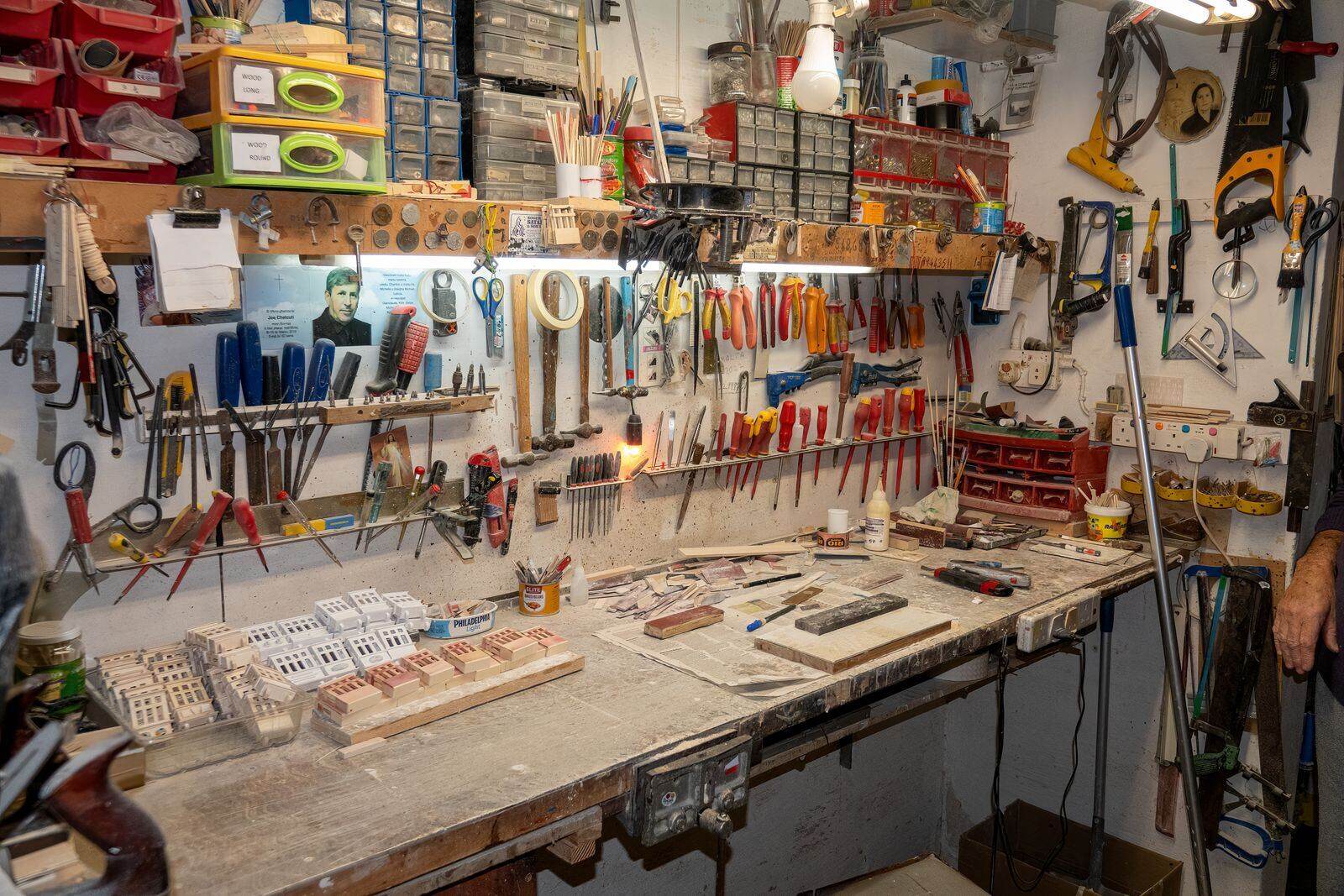
Contracts in the vehicle supply chain end on a date, and for a lot of Coventry tooling and engineering shops that date sets the timetable for everything else. If you are retiring and selling the equipment rather than transferring the business, the machines, the tooling and the vehicles are what go into the sale.
Our retirement auctions sell the contents of a unit at Binley or on Bayton Road in one online timed sale. Machine tools, welding sets, tool cabinets, fork trucks, vans and office furniture are catalogued on site and sold on a fixed date. Buyers collect during a window afterwards and we supervise it.
The M6 and M69 put Nuneaton, Rugby, Hinckley and Leamington Spa within easy reach of the viewing day, and online bidders cover the rest. If you are winding down, use the contact form and tell us what you have.
Tool shops and trade units around the car plants
A Coventry tool shop is a distinct kind of business. It has a handful of good machine tools, often better than the size of the unit suggests, because the vehicle work demanded accuracy. Jig borers, grinders, wire and spark eroders, a CNC mill or two and a bench of measuring equipment. There is usually a store of tool steel, a heat treatment oven, a saw and a small welding bay.
What these machines make turns on condition, accuracy, the control and the tooling that goes with them. Bidding is online and open nationally, and other subcontractors and dealers are the usual audience. Measuring equipment is catalogued lot by lot for anyone with an inspection department. Tool steel is lotted by weight and grade. The part with little value is tooling made for specific parts, which usually goes back to the customer or to scrap.
Trade units near the plants often hold contractors' businesses too. Electricians, fitters, sign makers and maintenance firms whose owners are retiring. Their vans, test equipment, ladders and stores sell in the same kind of sale.
A clean date when the last contract ends
The point of an auction in this situation is the date. If the final delivery goes out at the end of a month and the lease has three months to run, the sale can be catalogued the week after the last job, run for a fortnight, and be collected with weeks to spare. How long each stage takes depends on how many lots there are and the access.
We suggest leaving a few days between the last production and the viewing day so the machines can be cleaned and checked. Machines that can be run without risk stay connected for the viewing so they can be demonstrated, and everything else is isolated and left safe.
Collection is planned from what we find at the unit rather than the address. Access, turning space, doors and floor levels are checked when we walk the site and written into the catalogue, and the M6 is close to most estates. Riggers appointed and paid by the buyer move the heavy machines, in an order agreed with you.
What these sales can include
- Workshop machinery
- Hand and power tools
- Vans and company vehicles
- Trade stock and consumables
- Racking and storage
- Forklifts and pallet trucks
- Office furniture and IT
- Welding and fabrication equipment
- Compressors and generators
- Vehicle lifts and garage equipment
- Catering and canteen equipment
- Signage and shop fittings
How the sale runs
It starts with a conversation. We ask what you have, where it is, and when you need it gone. Then we visit, walk the premises with you and agree which items are included.
We catalogue the lots on site. Each lot gets a description, photographs and, where relevant, a serial number and condition note. The catalogue goes online and the auction is marketed to buyers in the trade.
Most sales run as online timed auctions. Bidding is open for a set period, usually a week or two, with a viewing day at your premises before it closes. Buyers pay us, then collect their lots during the collection window. We account to you once the sale is reconciled, buyers have paid and the collection window has closed, from cleared funds.
The business retirement auctions page covers when an auction is the right route, what you need to prepare, values, reserves and what the buyer pays, collection day and unsold lots, other routes and when we suggest them.
Questions about selling in Coventry
- Some of our machines are shared with a neighbouring unit under an informal arrangement. Can they be sold?
Only if you own them and the neighbour agrees to the arrangement ending. We ask when we first visit who owns each main machine and whether anyone else has a claim on it. Where a neighbour has been using a machine, it is usually simplest to offer it to them before the sale at a price you agree, and if they decline it goes into the auction. What we cannot do is list a machine while ownership is in doubt.
- Is it worth selling the small tooling and consumables, or should we skip them?
Sell them. Cutters, inserts, collets, drills and taps are the sort of thing other tool shops look for at auction, and a sorted tray is easier to bid on than a heap. We catalogue by tray or by cabinet drawer with a photograph of the contents. Tool steel offcuts are lotted by grade. What we do skip is anything rusted through or broken, and we tell you what falls into that category before the sale so nothing is thrown away by mistake.
More questions about retirement auctions
Related services
Guides
- Auction or private treaty: which route to choose
Auction gives you a fixed date and an open market. Private treaty gives you a negotiated price and privacy. This guide sets out when each route suits, what you give up with each, and why many sales use both.