 Britannia Auctions
Business retirement auctions in Wolverhampton
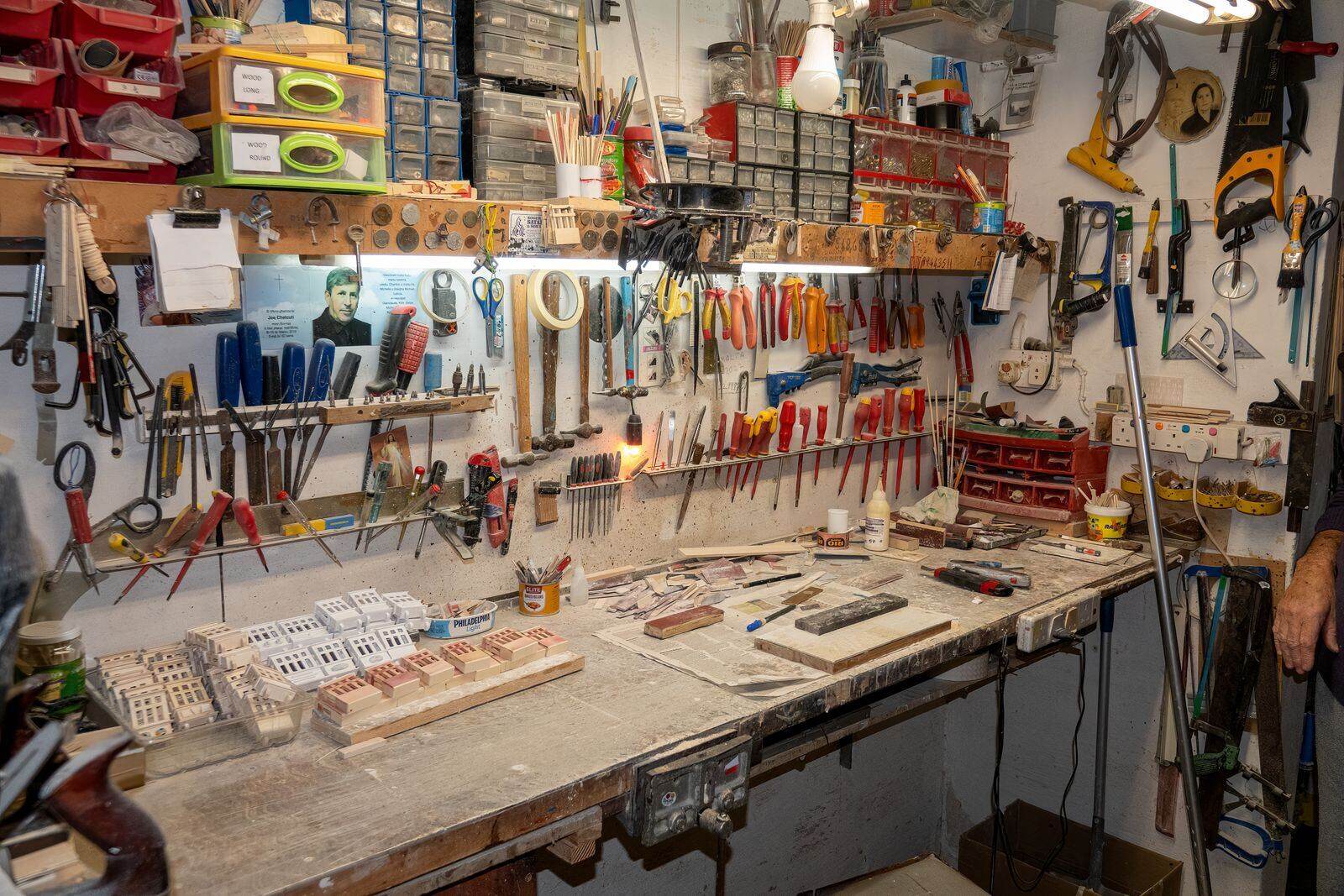
Fabrication and pressings shops fill the older units in Bilston, Willenhall, Wednesfield and Fordhouses, and a shop of that kind accumulates plant over the years. Where an owner is retiring and selling the contents rather than the business, everything in the unit has to be sold, usually before a lease ends.
We run retirement auctions for Black Country firms like these. We visit, walk the shop with you, and catalogue every lot with photographs and descriptions. The sale runs online for a week or two, with a viewing day at the premises, and buyers collect in a fixed window afterwards. We account to you after collection and cleared funds.
The Black Country holds a lot of firms that use this type of equipment, and bids are placed online and the sale is open to buyers anywhere in the UK. Tell us what you have through the contact form.
Fabrication shops on the older estates
The typical lot list from a Black Country fabricator is long. Press brakes, guillotines, rolls, punches, welding sets, plasma cutters, a fume extraction system, jib cranes and a yard of steel stock. Add a fork truck, a couple of vans, a compressor and the office. Pressings shops bring power presses and the tooling for them.
Press brakes and guillotines have the widest audience, and what they make depends on capacity, condition and the age of the controls. Walsall, Dudley, Cannock and Telford are within a comfortable drive of the viewing day for the welding sets and plasma cutters. Jib cranes and extraction plant carry the cost of dismantling and reinstalling them, and the bidding reflects that.
Steel stock is lotted by section and by weight. It is worth cataloguing properly rather than letting it go as scrap, because usable lengths can be offered to fabricators as material rather than as weight.
Working out the access before the sale
Many estates in Wednesfield and Willenhall are older, with narrow roads and shared yards. A press brake or a power press has to come out on a low loader, and if a low loader cannot reach the door, the buyer's rigger needs to know that before they quote. We walk the route on our first visit, note the road width, the gate, the yard and the floor, and put it in the catalogue.
Where access is tight, the removal may need a smaller lorry with a crane arm, or a move to a point where a low loader can stand. What suits depends on the weight and dimensions of the machine and the route out, and the buyer arranges and pays for the work. It is better they know in advance than discover it on collection day.
Newer sites around the M54 were laid out for larger vehicles, and we check those on the visit as well rather than assume it. Either way our staff attend the collection window, release lots against paid invoices and keep to the order agreed with you.
What these sales can include
- Workshop machinery
- Hand and power tools
- Vans and company vehicles
- Trade stock and consumables
- Racking and storage
- Forklifts and pallet trucks
- Office furniture and IT
- Welding and fabrication equipment
- Compressors and generators
- Vehicle lifts and garage equipment
- Catering and canteen equipment
- Signage and shop fittings
How the sale runs
It starts with a conversation. We ask what you have, where it is, and when you need it gone. Then we visit, walk the premises with you and agree which items are included.
We catalogue the lots on site. Each lot gets a description, photographs and, where relevant, a serial number and condition note. The catalogue goes online and the auction is marketed to buyers in the trade.
Most sales run as online timed auctions. Bidding is open for a set period, usually a week or two, with a viewing day at your premises before it closes. Buyers pay us, then collect their lots during the collection window. We account to you once the sale is reconciled, buyers have paid and the collection window has closed, from cleared funds.
The business retirement auctions page covers when an auction is the right route, what you need to prepare, values, reserves and what the buyer pays, collection day and unsold lots, other routes and when we suggest them.
Questions about selling in Wolverhampton
- Our unit has an overhead crane. Can that be sold with everything else?
It can, though it is a different kind of lot. An overhead crane has value to a buyer who has a building to put it in, and dismantling it is a job for a specialist, at the buyer's cost and to a timetable the landlord accepts. If the landlord wants the crane to stay, it may be worth more to them as part of the building than to a buyer at auction. We would talk to you about both routes before it goes in the catalogue.
- How do we deal with the steel stock and the offcuts?
We sort it into lots that a fabricator will want. Full lengths by section and grade go in one set of lots, offcuts by type in another, and anything rusted or unidentifiable goes as scrap weight. Full lengths are offered as material rather than as scrap weight, which is what a fabricator with a lorry is looking for. The scrap lot is collected by whoever bids for it, which saves you arranging a skip. Tell us if any of it belongs to a customer, because that is not yours to sell.
More questions about retirement auctions
Related services
Guides
- Auction or private treaty: which route to choose
Auction gives you a fixed date and an open market. Private treaty gives you a negotiated price and privacy. This guide sets out when each route suits, what you give up with each, and why many sales use both.