 Britannia Auctions
Business retirement auctions in Doncaster
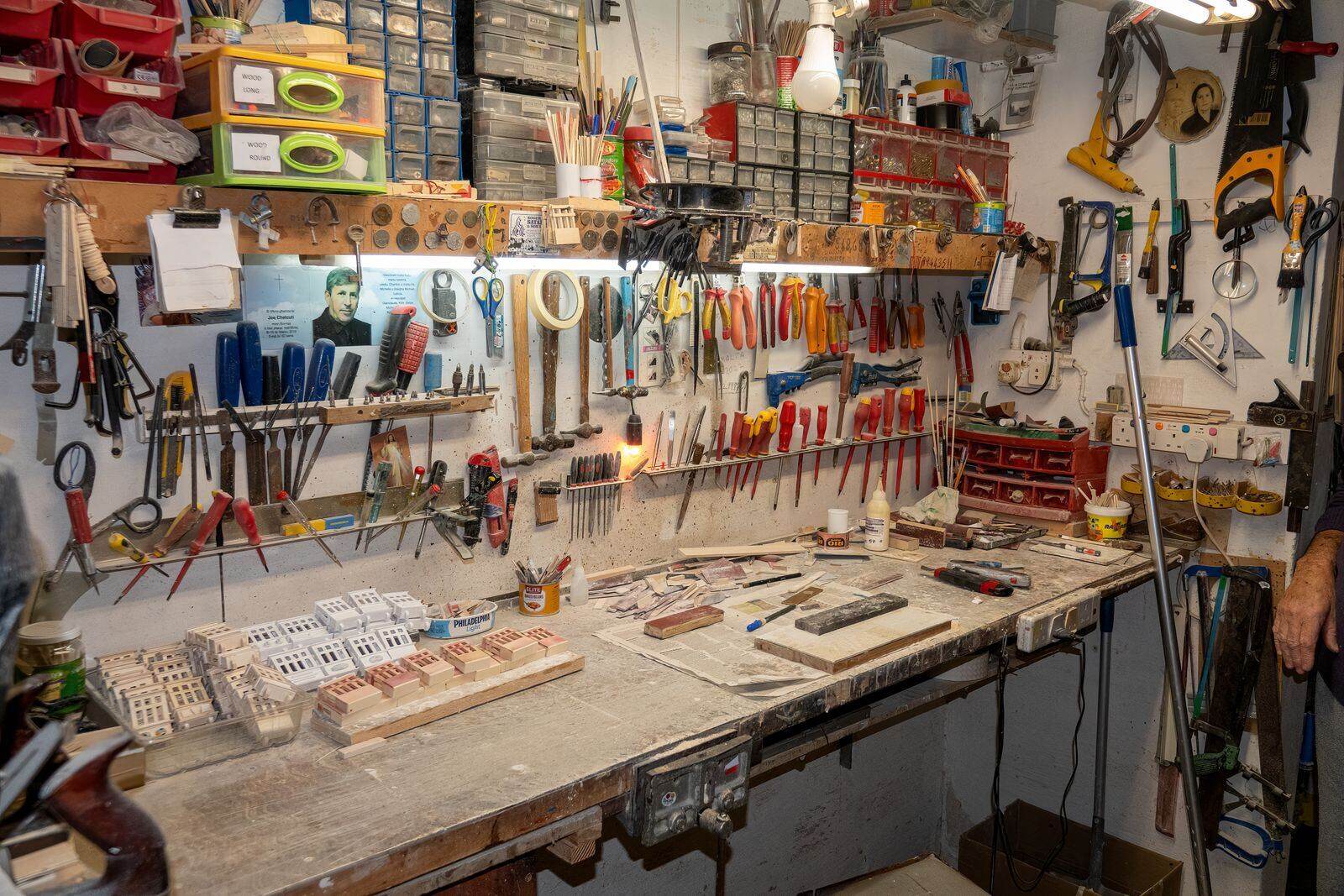
Plant hire and agricultural machinery yards sit on the outskirts of Doncaster, often side by side. Where an owner is retiring and selling the fleet rather than passing the business on, the value sits in the machines, the workshop and the yard equipment rather than in a customer list, because hirers go to whoever has the machine that week.
We sell the lot on one date. Excavators, dumpers, telehandlers, rollers, breakers, the low loader trailer, the workshop that kept them going and the containers of attachments. Where the business is a fabrication shop on Kirk Sandall or Wheatley Hall Road, it is welding plant, a plasma table, rolls, a press brake and the overhead crane instead. The method is the same. We catalogue on site, sell online over a week or two with a viewing day, run the collection window, and account to you after collection and cleared funds.
Plant yards and machinery dealers on the edge of town
Construction plant is catalogued machine by machine. A three tonne excavator with a set of buckets, a site dumper or a telehandler is the sort of lot that interests contractors, plant traders and farmers. The auction is online and open to buyers from any part of the country, and the trade in Rotherham, Barnsley, Pontefract and Worksop is near enough to come and see the lots. Hours, service history, the condition of the tracks or tyres and any leaks are what a buyer looks at, so we photograph the hour meter and the undercarriage and describe faults plainly.
Agricultural dealers are similar. Part exchange tractors, implements, a workshop with a heavy lathe and welding sets, diagnostic kit, and a stores full of parts go into the same catalogue, and the audience is farmers and other dealers.
What we want from you is the paperwork. Plant on finance or hire purchase is the funder's until the agreement is settled and needs their agreement before it can be sold, and vehicles need their registration documents. Sort that out with us a month ahead and nothing gets pulled from the sale.
Dates that suit contractors and farmers
Both trades work to a calendar. Site work picks up in late winter and early spring as the ground dries, and farm work is busiest around cultivation and harvest. A sale timed so that collection falls before a season starts rather than in the middle of one keeps the machines available when buyers have a use for them. That is a preference rather than a rule, and the lease or the sale of the yard sets the actual date.
Access is checked when we first visit rather than assumed. We look at the gate, the turning space, the hard standing and the route a low loader would take, and we note on each lot what is needed to load it. The A1(M) and the M18 are the usual road out. Older sites near the town centre have less room, so what fits there goes in the catalogue before anyone bids.
What these sales can include
- Workshop machinery
- Hand and power tools
- Vans and company vehicles
- Trade stock and consumables
- Racking and storage
- Forklifts and pallet trucks
- Office furniture and IT
- Welding and fabrication equipment
- Compressors and generators
- Vehicle lifts and garage equipment
- Catering and canteen equipment
- Signage and shop fittings
How the sale runs
It starts with a conversation. We ask what you have, where it is, and when you need it gone. Then we visit, walk the premises with you and agree which items are included.
We catalogue the lots on site. Each lot gets a description, photographs and, where relevant, a serial number and condition note. The catalogue goes online and the auction is marketed to buyers in the trade.
Most sales run as online timed auctions. Bidding is open for a set period, usually a week or two, with a viewing day at your premises before it closes. Buyers pay us, then collect their lots during the collection window. We account to you once the sale is reconciled, buyers have paid and the collection window has closed, from cleared funds.
The business retirement auctions page covers when an auction is the right route, what you need to prepare, values, reserves and what the buyer pays, collection day and unsold lots, other routes and when we suggest them.
Questions about selling in Doncaster
- Some of the plant is out on hire with customers. Do I have to get it all back before the sale?
Yes, before the viewing day if possible and before collection at the latest. Buyers want to see the machine and check the hours, and a lot that is still on a site when the auction closes causes trouble. Bring the hires to an end with a few weeks in hand, service anything that needs it, and park the plant in the yard where we can photograph it. If one machine is on a long hire, we can leave it out of the sale or sell it by private treaty later.
- The yard itself is being sold. Can the sale happen before completion?
It has to. The purchaser will want the yard empty on completion, so the auction closes and the collection window finishes before that date, with a week or two spare. Tell us the expected completion date as soon as you have it and we plan backwards from it. If the purchaser wants some of the plant or the workshop kit, they bid like anyone else or agree a price with you before the sale, and we leave those lots out of the catalogue.
More questions about retirement auctions
Related services
Guides
- Auction or private treaty: which route to choose
Auction gives you a fixed date and an open market. Private treaty gives you a negotiated price and privacy. This guide sets out when each route suits, what you give up with each, and why many sales use both.