 Britannia Auctions
Business retirement auctions in Middlesbrough
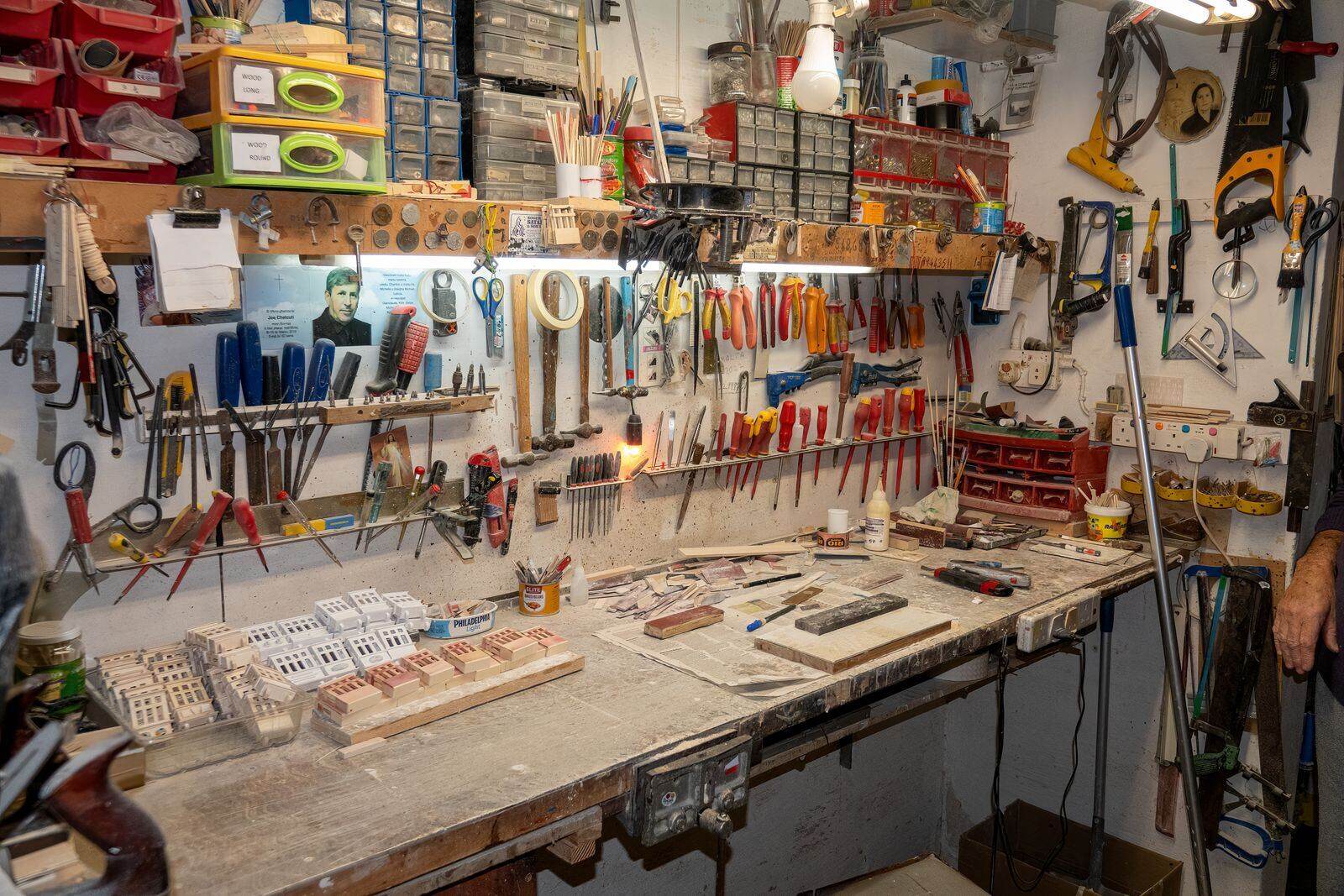
Teesside engineering is built around the process plants on the river. A pipework fabricator on Riverside Park, a plant hire yard on Skippers Lane, a scrap processor at Cargo Fleet, a machine shop at Cannon Park that has done maintenance work for the chemical sites for thirty years. Where an owner is retiring and selling the equipment rather than transferring the business, the plant, the tooling and the vehicles are what go into the sale.
What is left is the kit. Welding plant, pipe bending and threading machines, plate rolls, excavators and dumpers, site cabins, lifting gear, vans and a store full of fittings. We catalogue it where it stands, sell it in an online auction with a viewing day at the yard, and run the collection afterwards. Single high value machines can go by private treaty instead.
Send us a rough list through the contact form and we will visit.
Pipework shops and plant yards on the riverside
Pipework and structural fabricators supplying the chemical plants hold heavy, well specified equipment. Pipe bending machines, positioners, column and boom welders, plasma and oxy fuel profiling tables, plate rolls and overhead cranes. The welding sets are numerous because the work was coded and inspected. Fitting stock sorted by size and material sells to other fabricators who need it tomorrow.
Plant hire and construction yards hold a different sale. Mini excavators, dumpers, telehandlers, compaction plant, trench shoring, site accommodation and the trucks that moved it all. This kit has a broad market. Stockton, Hartlepool, Darlington and Guisborough are near enough to view in person, and bidding is online and open across the UK where the hours and service records are in the catalogue.
Hours, service records and test certificates are what a bidder has to go on, so a maintained fleet is easier to describe than a tired one, and the level reflects the condition either way.
Hard standing built for heavy plant
The riverside estates were laid out for lorries and cranes, with hard standing, wide roads and big yards. What a particular site allows is still checked during our first visit, because the gate, the turning space and the floor decide how a plate roll or a 20 tonne excavator is loaded and what the buyer has to bring.
We check the detail as well. Machines on foundations, cranes that need dismantling, pits and mezzanines all get a note in the catalogue so the buyer's rigger can quote before bidding. Plant leaves under its own power or on a low loader appointed by the buyer, and we agree the collection order with you so that vans and low loaders are not booked into the same slot.
Road access is checked on our first visit. The A66 and the A19 flyover put Redcar, Billingham, Thornaby and Yarm near enough to view in person, and the catalogue gives a haulier the detail needed to plan a collection.
What these sales can include
- Workshop machinery
- Hand and power tools
- Vans and company vehicles
- Trade stock and consumables
- Racking and storage
- Forklifts and pallet trucks
- Office furniture and IT
- Welding and fabrication equipment
- Compressors and generators
- Vehicle lifts and garage equipment
- Catering and canteen equipment
- Signage and shop fittings
How the sale runs
It starts with a conversation. We ask what you have, where it is, and when you need it gone. Then we visit, walk the premises with you and agree which items are included.
We catalogue the lots on site. Each lot gets a description, photographs and, where relevant, a serial number and condition note. The catalogue goes online and the auction is marketed to buyers in the trade.
Most sales run as online timed auctions. Bidding is open for a set period, usually a week or two, with a viewing day at your premises before it closes. Buyers pay us, then collect their lots during the collection window. We account to you once the sale is reconciled, buyers have paid and the collection window has closed, from cleared funds.
The business retirement auctions page covers when an auction is the right route, what you need to prepare, values, reserves and what the buyer pays, collection day and unsold lots, other routes and when we suggest them.
Questions about selling in Middlesbrough
- Some of our plant is out on hire when I want to sell. How does that work?
It comes off hire first. We agree a date by which everything is back in the yard, then catalogue once it is all in one place, because a buyer wants to see the machine and check the hours at the viewing. If a customer wants to keep a machine they have on hire, sell it to them before the auction and leave it out of the sale. Plant still on a finance agreement needs the lender's consent, so tell us about that on the first call.
- We hold welding procedures, test certificates and coded welder records. Do those matter to buyers?
For the equipment, no. A welding set sells on its make and condition. For lifting gear and cranes, yes. Slings, shackles, chain blocks and beam clamps with current test certificates sell to buyers who can use them straight away, and we photograph the certificates with the lot. Your procedures and welder records are business documents rather than assets, but keep them, because a customer or the buyer of your order book may want them after the sale.
More questions about retirement auctions
Related services
Guides
- Auction or private treaty: which route to choose
Auction gives you a fixed date and an open market. Private treaty gives you a negotiated price and privacy. This guide sets out when each route suits, what you give up with each, and why many sales use both.