 Britannia Auctions
Business retirement auctions in Norwich
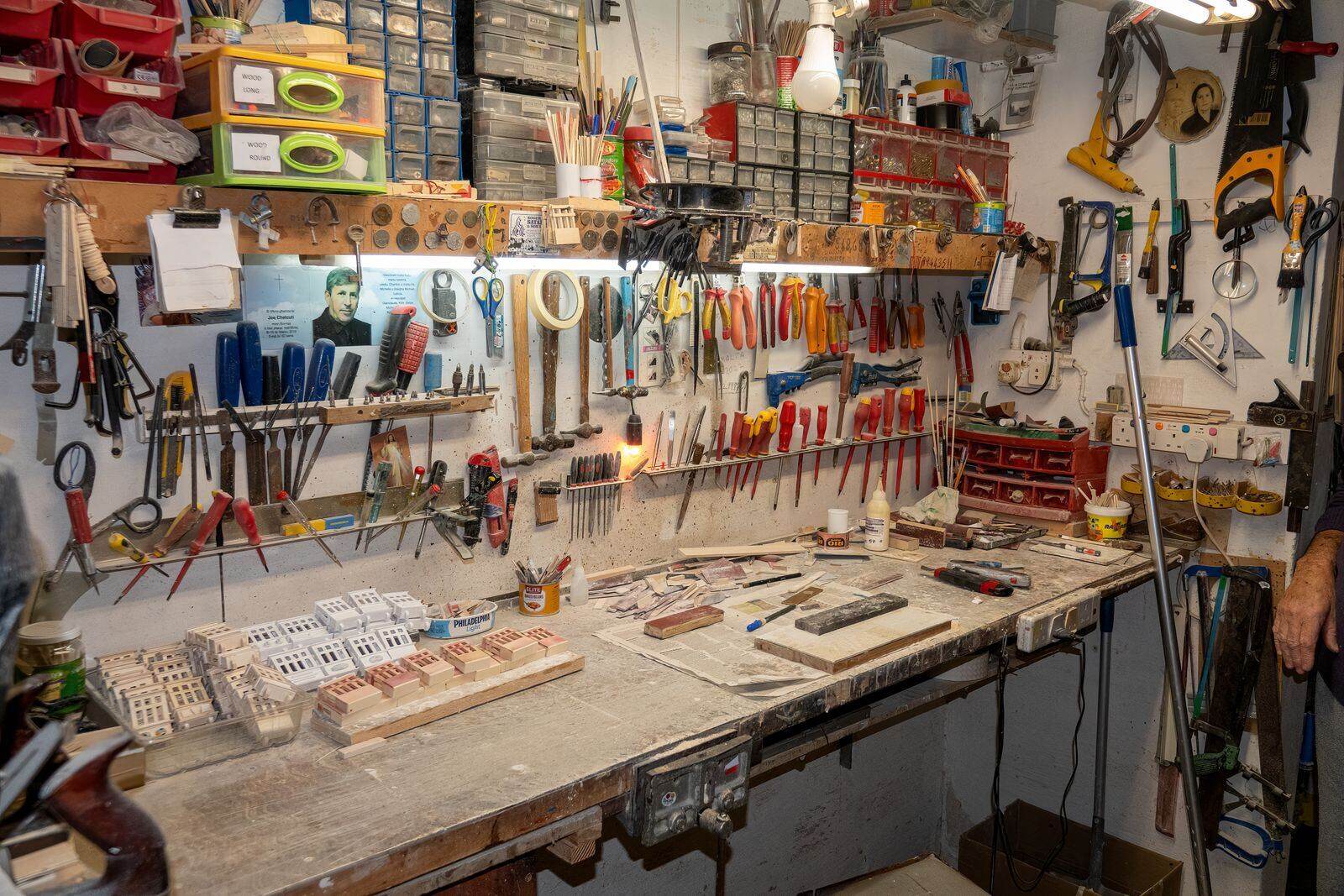
Half the workshops around Norwich are not in Norwich. They are in villages off the A47 and the A11. An agricultural engineer beside the farms it serves, a fabricator in a converted barn, a food producer in a shed on the edge of a farmyard, a machinery dealer with a yard of part exchange. If you are retiring and selling the equipment rather than transferring the business, the sale is of the workshop and the yard, wherever they happen to be.
We sell the contents at auction wherever they are. For the estates inside the ring road, Vulcan Road, Salhouse Road, Longwater and Rackheath among them, that is straightforward. For the villages, it means a site visit first, a smaller vehicle for some of the collection, an honest note in the catalogue about the lane, and a viewing day that farmers can reach. Tell us where you are through the contact form.
Agricultural engineers and the trade that buys from them
An agricultural engineer's workshop is a general engineering shop with a farming bias. Welding sets for heavy section steel, a plasma cutter, a large lathe, a press, hydraulic hose crimping equipment, a stock of bearings, belts, filters and fittings, and a yard with a telehandler and a few machines waiting for repair. Dealers add workshop kit, diagnostic equipment, part exchange tractors and implements.
Farmers and other engineers are the usual audience. Dereham, Wymondham, Aylsham and Diss are a short trip from the viewing day, and bidding is online and open nationally. General machinery such as a welder or a press suits any workshop, and tractors and implements are types a buyer can judge from a photograph where the description is accurate.
Timing matters here. Farm work is busiest at harvest and around cultivation, so a sale in late autumn or winter falls in a quieter part of the calendar. That is a preference rather than a rule, and the lease or the end of the order book usually sets the date.
Stainless plant from food and drink producers
Norfolk's food and drink trade includes a lot of small producers whose owner is the business. Bakeries, smokehouses, breweries, sauce and preserve makers, and processors supplying the supermarkets. When they stop, the sale is stainless steel. Mixers, ovens, tanks, fillers, labellers, chillers, conveyors, wash down kit and racking, much of it in good condition because hygiene rules demanded it.
Stainless plant interests other food producers, catering firms and institutional kitchens, and tanks interest brewers and distillers. The auction is online and open to buyers from any part of the country, which is how those buyers are reached. We photograph plates and capacities, note the power and water connections, and describe anything that is built into the room, because a walk in chiller or a bakery oven comes out at the buyer's cost with a contractor.
What these sales can include
- Workshop machinery
- Hand and power tools
- Vans and company vehicles
- Trade stock and consumables
- Racking and storage
- Forklifts and pallet trucks
- Office furniture and IT
- Welding and fabrication equipment
- Compressors and generators
- Vehicle lifts and garage equipment
- Catering and canteen equipment
- Signage and shop fittings
How the sale runs
It starts with a conversation. We ask what you have, where it is, and when you need it gone. Then we visit, walk the premises with you and agree which items are included.
We catalogue the lots on site. Each lot gets a description, photographs and, where relevant, a serial number and condition note. The catalogue goes online and the auction is marketed to buyers in the trade.
Most sales run as online timed auctions. Bidding is open for a set period, usually a week or two, with a viewing day at your premises before it closes. Buyers pay us, then collect their lots during the collection window. We account to you once the sale is reconciled, buyers have paid and the collection window has closed, from cleared funds.
The business retirement auctions page covers when an auction is the right route, what you need to prepare, values, reserves and what the buyer pays, collection day and unsold lots, other routes and when we suggest them.
Questions about selling in Norwich
- Our workshop is down a farm track. Will buyers actually come and view?
Local buyers who know the roads usually will. Buyers from further away rely on the photographs and descriptions, so we take more of both at a rural site than at a unit on an estate. We give the postcode and a note on the track in the catalogue, and we put a sign at the road on viewing day. For collection, we say which lots need a smaller vehicle so that nobody turns up with a lorry that cannot get in.
- Some tractors and implements in the yard belong to customers waiting for repair. How do you keep those separate?
On the first visit we walk the yard with you and tag everything that is not yours. Customer machines are kept in a marked area and never photographed for the catalogue. We ask you to have them collected before the viewing where you can, because a viewing day with strangers walking round a yard is not the time for confusion over what is for sale. Parts ordered against a customer's job are boxed and set aside. Only what you own goes into the sale.
More questions about retirement auctions
Related services
Guides
- Auction or private treaty: which route to choose
Auction gives you a fixed date and an open market. Private treaty gives you a negotiated price and privacy. This guide sets out when each route suits, what you give up with each, and why many sales use both.