 Britannia Auctions
Business retirement auctions in Plymouth
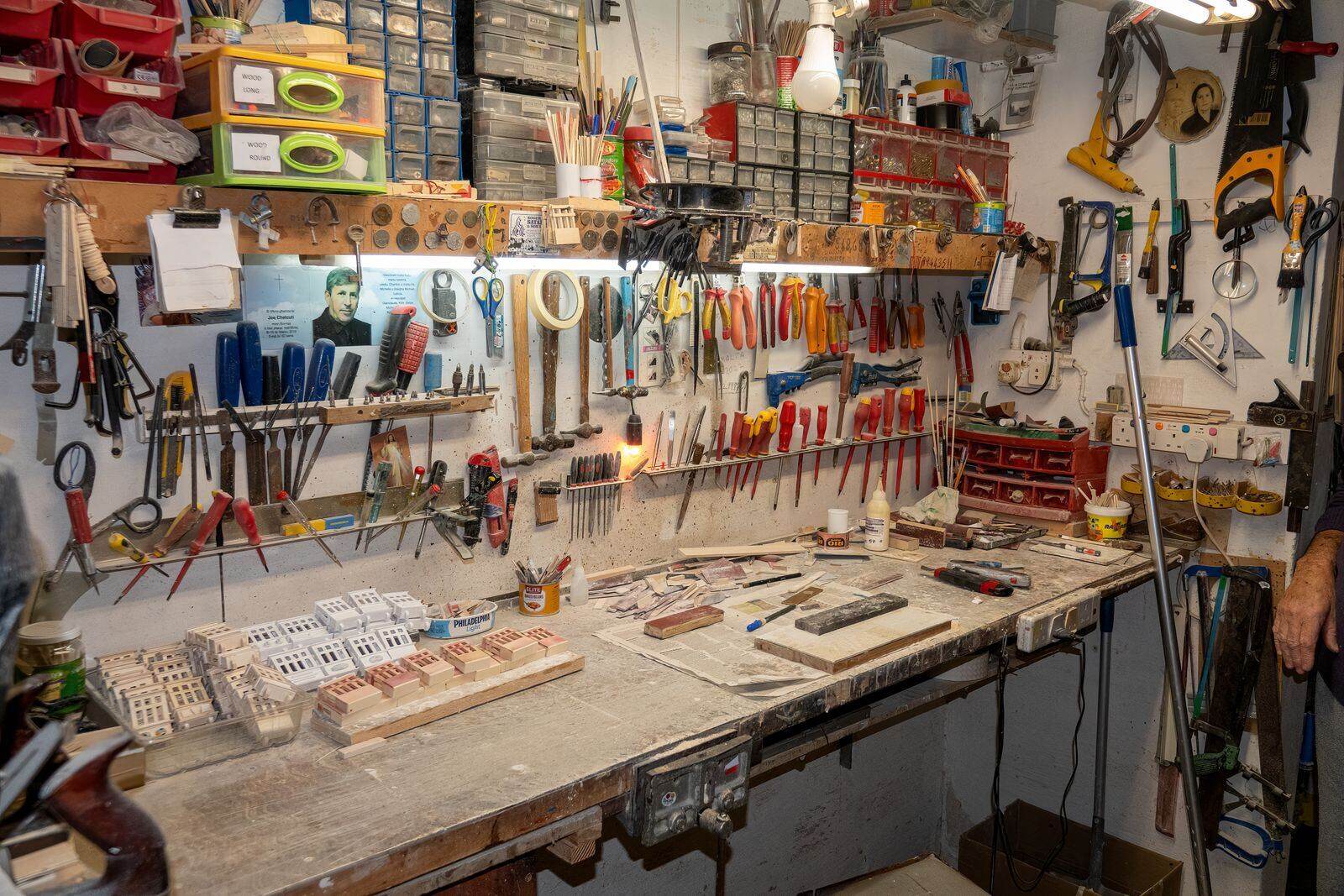
Plymouth is further from the next big city than almost anywhere we sell, and that shapes a retirement sale in two ways. The trade nearby, in Saltash and Ivybridge, is within a comfortable drive of the viewing day in a way that the trade in Bristol is not. And online bidding matters more, because for the specialist lots the market is the whole country and the buyer has to be reached wherever they are.
The businesses are varied. Precision engineering and medical device firms at Estover, Langage and Roborough. Vehicle workshops and trade counters at Marsh Mills and Valley Road. Marine engineers and boat builders along the Tamar. Fish processors at Sutton Harbour. Where retirement means selling the contents rather than the company, we catalogue on site, sell online over a week or two with a viewing day, and manage the collection window. Buyers pay us. You are paid after collection and cleared funds.
Precision firms at Estover and Langage after the founder stops
The advanced manufacturing firms on the northern estates work to accreditations that are tied to the business and the people in it, and those do not transfer with a sale of assets. If you are retiring and selling the equipment rather than the company, the machines and the inspection kit are what go into the catalogue.
CNC mills and lathes, a coordinate measuring machine, optical inspection kit, clean benches, laser markers, ultrasonic cleaners and drawers of small tooling. Medical device work adds clean room fittings, packaging machines and a good deal of stainless. Machine tools suit other subcontractors in the city and in Cornwall, and inspection and test equipment travels by courier to online bidders across the UK, so we photograph serial plates, controls, calibration labels and the ways closely.
Equipment kept to the standard this work demands can be photographed and described in a way that shows it, and that is what a bidder has to judge from.
A long way from the next city
Cornwall is as close as much of Devon. Saltash, Torpoint, Liskeard and Tavistock are a short drive, Totnes not much further, and the viewing day is set so that a trade buyer can see the lots without losing a day. For anything a local buyer will not want, a large machine, a specialist test rig, a stock of medical packaging, a batch of clean room fittings, the online catalogue does the work and the buyer sends a haulier down the A38.
Access varies with the site. The Estover and Langage estates take an articulated lorry. Some of the older waterside workshops on the Tamar and at Sutton Harbour do not. Lanes, shared yards, low doors and slipways built for boats rather than lorries mean we check the site on the first visit and put the findings in the catalogue, so the buyer's contractor prices the job before bidding.
What these sales can include
- Workshop machinery
- Hand and power tools
- Vans and company vehicles
- Trade stock and consumables
- Racking and storage
- Forklifts and pallet trucks
- Office furniture and IT
- Welding and fabrication equipment
- Compressors and generators
- Vehicle lifts and garage equipment
- Catering and canteen equipment
- Signage and shop fittings
How the sale runs
It starts with a conversation. We ask what you have, where it is, and when you need it gone. Then we visit, walk the premises with you and agree which items are included.
We catalogue the lots on site. Each lot gets a description, photographs and, where relevant, a serial number and condition note. The catalogue goes online and the auction is marketed to buyers in the trade.
Most sales run as online timed auctions. Bidding is open for a set period, usually a week or two, with a viewing day at your premises before it closes. Buyers pay us, then collect their lots during the collection window. We account to you once the sale is reconciled, buyers have paid and the collection window has closed, from cleared funds.
The business retirement auctions page covers when an auction is the right route, what you need to prepare, values, reserves and what the buyer pays, collection day and unsold lots, other routes and when we suggest them.
Questions about selling in Plymouth
- We are a fish processor at Sutton Harbour. Is there a market for our equipment?
Yes. Filleting tables, ice machines, vacuum packers, blast freezers, walk in chillers, scales and stainless benches sell to other food processors, to catering firms, to fish merchants along the south coast and to online bidders. The chillers and freezers come out with a refrigeration contractor at the buyer's cost, and the landlord may want the room made good, so tell us early. The harbour sites are tight, so we plan collection around vans and a small lorry.
- Some of our test equipment was built in house for one customer. Will it sell?
It is worth what its parts and its usefulness to a stranger amount to, which is often less than it cost to build. We describe it honestly, photograph the instruments in it, and let bidders decide. Where the customer still needs the parts it tests, offer it to them first. Standard instruments inside a rig, power supplies, meters, data loggers and switches, sometimes do better on their own, so we take a view on whether to split the lot before cataloguing.
More questions about retirement auctions
Related services
Guides
- Auction or private treaty: which route to choose
Auction gives you a fixed date and an open market. Private treaty gives you a negotiated price and privacy. This guide sets out when each route suits, what you give up with each, and why many sales use both.