 Britannia Auctions
Business retirement auctions in Portsmouth
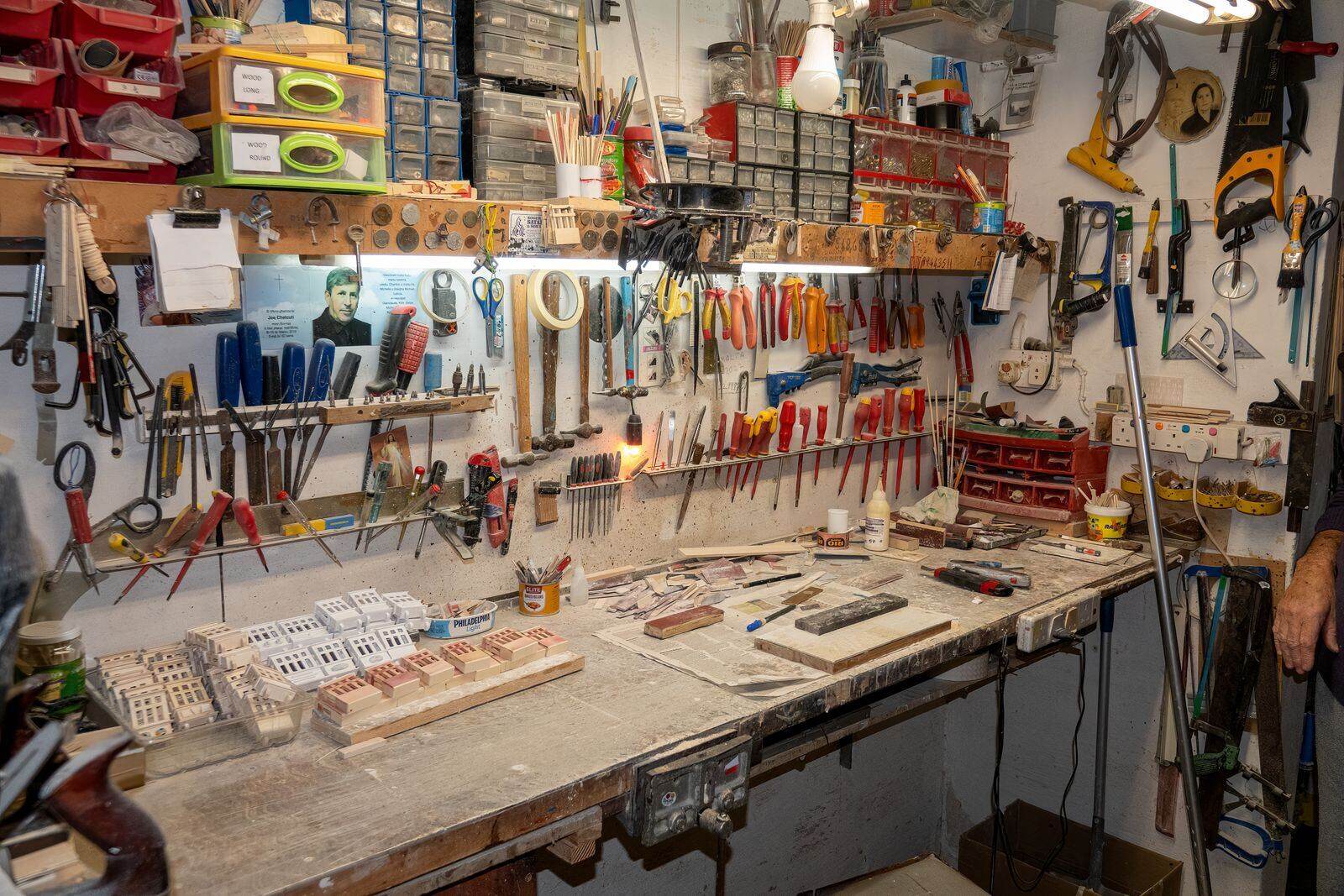
Space is tight on Portsea Island, and that shapes a retirement sale here. The vehicle repairers and trade counters on the older estates at Fratton, Cosham and Paulsgrove sit in units a landlord will usually want back promptly once notice is given. The marine trades at Trafalgar Wharf, sailmakers, riggers, boatbuilders and marine electricians, have lofts and sheds full of specialist kit that only the right buyer will value.
We sell both kinds of business the same way. The lots are catalogued on site, sold online over a week or two, and collected in a fixed window after the sale. Buyers pay us and we account to you after collection and cleared funds. One person deals with you from the first call to settlement. Use the contact form to tell us what you have and where it is.
Precision shops and electronics firms near Hilsea
The defence and marine work around the harbour supports small precision engineering and electronics firms on the Airport Industrial Estate at Hilsea and on Dunsbury Park at Havant. Where the owner of one of these is retiring and selling the equipment, the sale is CNC mills and lathes, grinders, inspection equipment, bench test gear, soldering stations, ESD benches and a good deal of small tooling and stock. Much of it is in better condition than the average workshop lot, because the work demanded it.
The market for that equipment is wider than the city. Machine tools suit subcontractors in Fareham, Waterlooville and Chichester, and the smaller lots, measuring equipment and electronic test gear in particular, travel by courier to bidders anywhere in the UK. We photograph serial plates and controls closely, because that is what those bidders are looking at. Calibration certificates, where you have them, go in the catalogue, because a buyer can put calibrated equipment to work without repeating the work.
Getting lots off the island
Portsea Island has one motorway in, the M275, and the older estates at Fratton and Cosham were built when lorries were smaller. Shared yards, a roller door onto the street and limited turning space are common there, so we check the vehicle access, the door dimensions and the floor when we walk the site and write the findings into the catalogue. How a lift, a brake tester, a tyre machine or a compressor comes out depends on its weight and the route, and the buyer's contractor needs that detail before bidding.
Marine trades at Trafalgar Wharf are easier for road access but have their own timing. Sailmakers and riggers are busiest before the season, so a retirement sale in autumn or winter, once the last customer jobs have gone back, is one suggestion. Gosport, Emsworth and the wider south coast are within easy reach of a viewing at the wharf, and bidding is online for everyone else.
What these sales can include
- Workshop machinery
- Hand and power tools
- Vans and company vehicles
- Trade stock and consumables
- Racking and storage
- Forklifts and pallet trucks
- Office furniture and IT
- Welding and fabrication equipment
- Compressors and generators
- Vehicle lifts and garage equipment
- Catering and canteen equipment
- Signage and shop fittings
How the sale runs
It starts with a conversation. We ask what you have, where it is, and when you need it gone. Then we visit, walk the premises with you and agree which items are included.
We catalogue the lots on site. Each lot gets a description, photographs and, where relevant, a serial number and condition note. The catalogue goes online and the auction is marketed to buyers in the trade.
Most sales run as online timed auctions. Bidding is open for a set period, usually a week or two, with a viewing day at your premises before it closes. Buyers pay us, then collect their lots during the collection window. We account to you once the sale is reconciled, buyers have paid and the collection window has closed, from cleared funds.
The business retirement auctions page covers when an auction is the right route, what you need to prepare, values, reserves and what the buyer pays, collection day and unsold lots, other routes and when we suggest them.
Questions about selling in Portsmouth
- Our unit at Fratton has to go back to the landlord within a month of us stopping. Is that long enough?
Usually, yes, if you tell us early. We can catalogue in a few days, run the online sale over a week or two and clear the building in the collection window after. What eats time is finance consent and any fixed plant, such as a lift bolted to the slab, that needs a contractor to remove. If the month is not realistic, we collect the lots and sell them from our own premises, so the landlord gets the unit back and the sale still runs.
- A lot of what we have is small marine hardware and offcuts. Is it worth listing?
In sorted lots, yes. Blocks, cleats, shackles, rope, sailcloth, fittings and consumables interest other marine trades and boat owners, and online bidders will pay a courier for the right lot. What does not sell is a heap. We sort by type and size, photograph each lot on a clean bench, and list it in the same catalogue as the bigger items. Anything below the cost of listing goes in a job lot.
More questions about retirement auctions
Related services
Guides
- Auction or private treaty: which route to choose
Auction gives you a fixed date and an open market. Private treaty gives you a negotiated price and privacy. This guide sets out when each route suits, what you give up with each, and why many sales use both.