 Britannia Auctions
Business retirement auctions in Preston
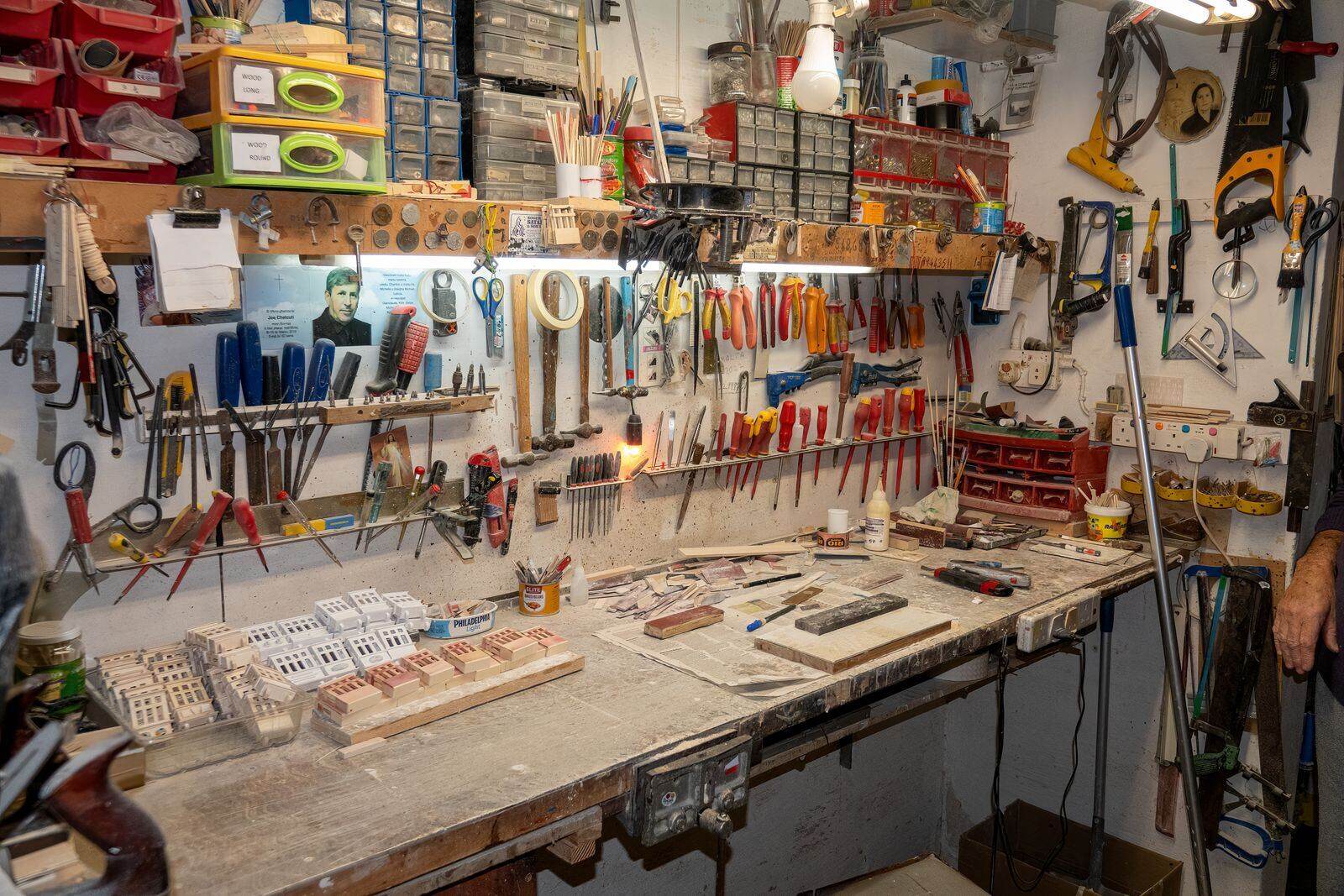
Machining subcontractors near Samlesbury work to customer approvals that are tied to the business and do not transfer with a sale of assets. If you are retiring and selling the shop rather than the company, what goes into the catalogue is the CNC mills, the lathes, the CMM, the wall of tooling and the fittings, and the unit goes back to the landlord.
The same happens on Roman Way, where a food producer stops and the stainless steel plant has to go, and on Red Scar and Walton Summit, where a small haulage or storage firm winds up with a yard of trailers and racking. We sell all of it by auction. Lots are catalogued where they stand, sold online over a week or two with a viewing day, and collected in a fixed window. Buyers pay us. We account to you after collection and cleared funds. Send us a note through the contact form and we will visit.
Approvals retire with the owner, the machines do not
Aerospace subcontracting is unusual in one respect. The value of the business sits in the approvals and the customer relationship, and neither transfers easily to a stranger. Where the equipment is sold rather than the company, the sale is usually the whole shop, and the shop is well equipped. Machining centres and CNC lathes bought for tight tolerance work, a coordinate measuring machine, surface and cylindrical grinders, tool presetters, and drawers of carbide tooling and gauges.
Equipment maintained to an aerospace standard can be shown to be in that condition, and that is what a bidder judges. Blackburn, Chorley, Leyland and Lancaster are close enough to inspect the lots before the sale closes, and bidding runs online and is open to precision subcontractors across the UK who send a machinery mover. We photograph the control, the tool changer, the serial plate and the ways on each machine, list the options, and catalogue the inspection equipment lot by lot rather than in boxes, because that is what the same trade searches for.
Loading from Red Scar and Walton Summit
Red Scar, Walton Summit and Roman Way were laid out for lorries, and the M6 is minutes away at junction 31 or 29. What a particular unit allows is checked when we walk the site, because the door, the floor and the turning space decide how a machine comes out. Heavy machines are moved by the buyer's rigger at the buyer's cost, in a slot agreed within the collection window.
The older units at Riversway are a different case. Some have shared yards and doors built for smaller vehicles, so we check on the first visit and say in the catalogue what will fit.
Timing in the aerospace trade follows the order book. A common pattern is to finish the last batch and then sell. We would rather the auction closes two or three weeks after the last delivery than while a machine is still cutting, and if the lease has a fixed end date we work back from that and leave a margin for the heaviest lot.
What these sales can include
- Workshop machinery
- Hand and power tools
- Vans and company vehicles
- Trade stock and consumables
- Racking and storage
- Forklifts and pallet trucks
- Office furniture and IT
- Welding and fabrication equipment
- Compressors and generators
- Vehicle lifts and garage equipment
- Catering and canteen equipment
- Signage and shop fittings
How the sale runs
It starts with a conversation. We ask what you have, where it is, and when you need it gone. Then we visit, walk the premises with you and agree which items are included.
We catalogue the lots on site. Each lot gets a description, photographs and, where relevant, a serial number and condition note. The catalogue goes online and the auction is marketed to buyers in the trade.
Most sales run as online timed auctions. Bidding is open for a set period, usually a week or two, with a viewing day at your premises before it closes. Buyers pay us, then collect their lots during the collection window. We account to you once the sale is reconciled, buyers have paid and the collection window has closed, from cleared funds.
The business retirement auctions page covers when an auction is the right route, what you need to prepare, values, reserves and what the buyer pays, collection day and unsold lots, other routes and when we suggest them.
Questions about selling in Preston
- Our main customer has asked to buy two of the machines before we close. Can the rest still go to auction?
Yes. Sell those two to the customer directly, or let them bid in the auction like anyone else, and we leave the agreed lots out of the catalogue. That is a common arrangement in this trade, and it is settled before cataloguing so that nothing is listed twice. What remains, the second string machines, the inspection kit, the tooling and the fittings, is still a sale worth running, and the buyers for it are the other shops around the city.
- We have a stock of certified aerospace material and consumables. Will anyone bid on it?
Bar, plate and fastenings with traceability interest other approved shops, and the paperwork is what makes them worth bidding on, so keep the certificates with the material and we photograph them. Without paperwork it goes as general stock at a lower level. Coolant, abrasives, inserts and the like go in sorted lots to the same buyers. Consumables are worth sorting and describing rather than sweeping into pallets, because a described lot can be bid on and a mixed pallet cannot.
More questions about retirement auctions
Related services
Guides
- Auction or private treaty: which route to choose
Auction gives you a fixed date and an open market. Private treaty gives you a negotiated price and privacy. This guide sets out when each route suits, what you give up with each, and why many sales use both.