 Britannia Auctions
Business retirement auctions in Southampton
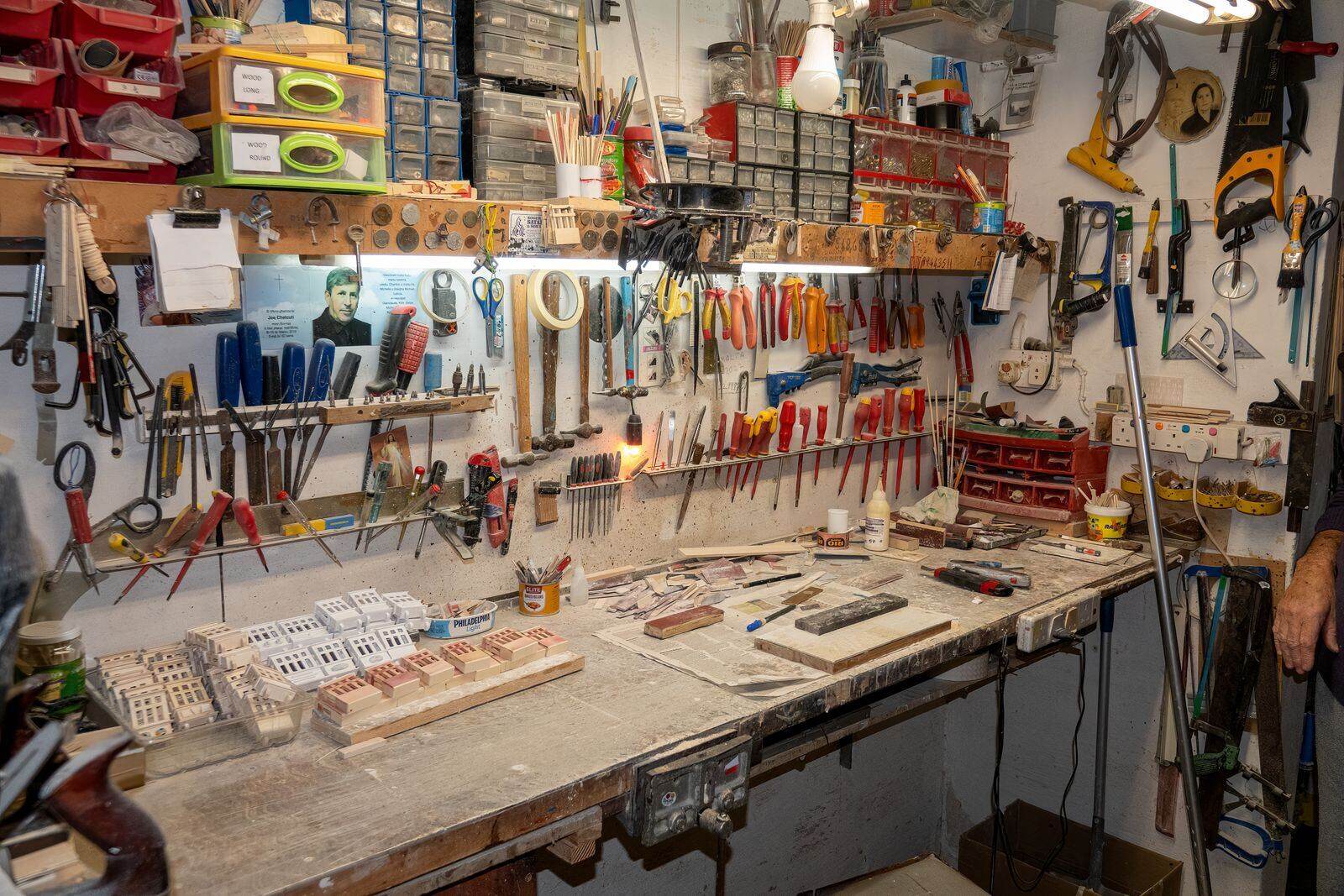
Marine engineering on the Itchen, haulage and freight around the docks, and the fabricators and machine shops on Solent Industrial Estate at Hedge End all reach the same point at retirement. If the equipment is sold rather than the business, the workshop, the yard and everything in them go into one sale.
We do that by auction. We walk the premises with you, catalogue the lots on site and run the sale online over a week or two, with a viewing day for trade buyers. Buyers pay us and collect in a fixed window. We account to you after collection and cleared funds. Tell us what you have through the contact form and we will come and look.
Marine workshops and the kit other yards want
Marine engineering is a trade with a lot of specialist equipment and a lot of general workshop machinery mixed in. Engine hoists, shaft alignment gear, a lathe and a mill for one off parts, welding sets for aluminium and stainless, compressors, pressure washers and a stock of spares that has built up over decades. Boatbuilders add spray booths, bandsaws, planers, vacuum pumps and moulds.
The trade that uses this kit is close by. The yards along Southampton Water, and marine engineers in Fareham and Portsmouth, are well placed to come and look before bidding closes, and boat owners are an audience for the hand tools. General machinery suits fabricators in Eastleigh and Totton. Anything unusual, a large engine dyno or a set of moulds, is catalogued for bidders anywhere in the UK, who send a haulier.
Spares matter. A stock of filters, impellers, anodes and fastenings goes in sorted lots to the same buyers, and it is worth the time to sort it.
Yards by the water and yards by the docks
Marine trades run to a season. The busy months are spring, when boats go back in, and autumn, when they come out. Ending at a season boundary keeps customers' boats from being left half done, and an auction that closes a few weeks after the last boat leaves, with collection in the days after, fits that.
Waterside workshops on the Itchen were built for boats, not lorries. Some have a slipway and a crane at the front and a narrow lane at the back. On the first visit we look at how a low loader would get in, and where it cannot, we plan the heavy lots to come out on a smaller vehicle or collect them and sell from our own premises.
Freight and haulage yards at Nursling and near the Western Docks are the opposite. Wide gates, hard standing and drivers used to moving trailers. Portsmouth, Fareham and Winchester are within easy reach on the M27 and the M3.
What these sales can include
- Workshop machinery
- Hand and power tools
- Vans and company vehicles
- Trade stock and consumables
- Racking and storage
- Forklifts and pallet trucks
- Office furniture and IT
- Welding and fabrication equipment
- Compressors and generators
- Vehicle lifts and garage equipment
- Catering and canteen equipment
- Signage and shop fittings
How the sale runs
It starts with a conversation. We ask what you have, where it is, and when you need it gone. Then we visit, walk the premises with you and agree which items are included.
We catalogue the lots on site. Each lot gets a description, photographs and, where relevant, a serial number and condition note. The catalogue goes online and the auction is marketed to buyers in the trade.
Most sales run as online timed auctions. Bidding is open for a set period, usually a week or two, with a viewing day at your premises before it closes. Buyers pay us, then collect their lots during the collection window. We account to you once the sale is reconciled, buyers have paid and the collection window has closed, from cleared funds.
The business retirement auctions page covers when an auction is the right route, what you need to prepare, values, reserves and what the buyer pays, collection day and unsold lots, other routes and when we suggest them.
Questions about selling in Southampton
- Customers' boats are still in the yard. Can we sell the equipment around them?
Yes, but the boats set the timetable. We catalogue the machinery and stock while the last boats are finished, and set the sale to close once the yard is clear or nearly clear. Anything that belongs to a customer, including engines out for repair and parts ordered against a job, is kept apart and never listed. If a boat has to stay past collection day, we plan the heavy lots to come out around it and check that the buyer's mover has room to work.
- We are a small haulier with two trucks and a trailer. Is that enough for its own sale?
Not on its own, and it does not need to be. A couple of trucks, a trailer, a forklift and the workshop behind them can go into one of our collective sales alongside similar lots from other sellers, which is how a shorter list is usually handled. Vehicles are described with mileage, MOT and service history, and buyers view them at your yard or, where agreed, at our premises. If the yard has to be handed back quickly, we can collect and sell from our own premises.
More questions about retirement auctions
Related services
Guides
- Auction or private treaty: which route to choose
Auction gives you a fixed date and an open market. Private treaty gives you a negotiated price and privacy. This guide sets out when each route suits, what you give up with each, and why many sales use both.