 Britannia Auctions
Business retirement auctions in Telford
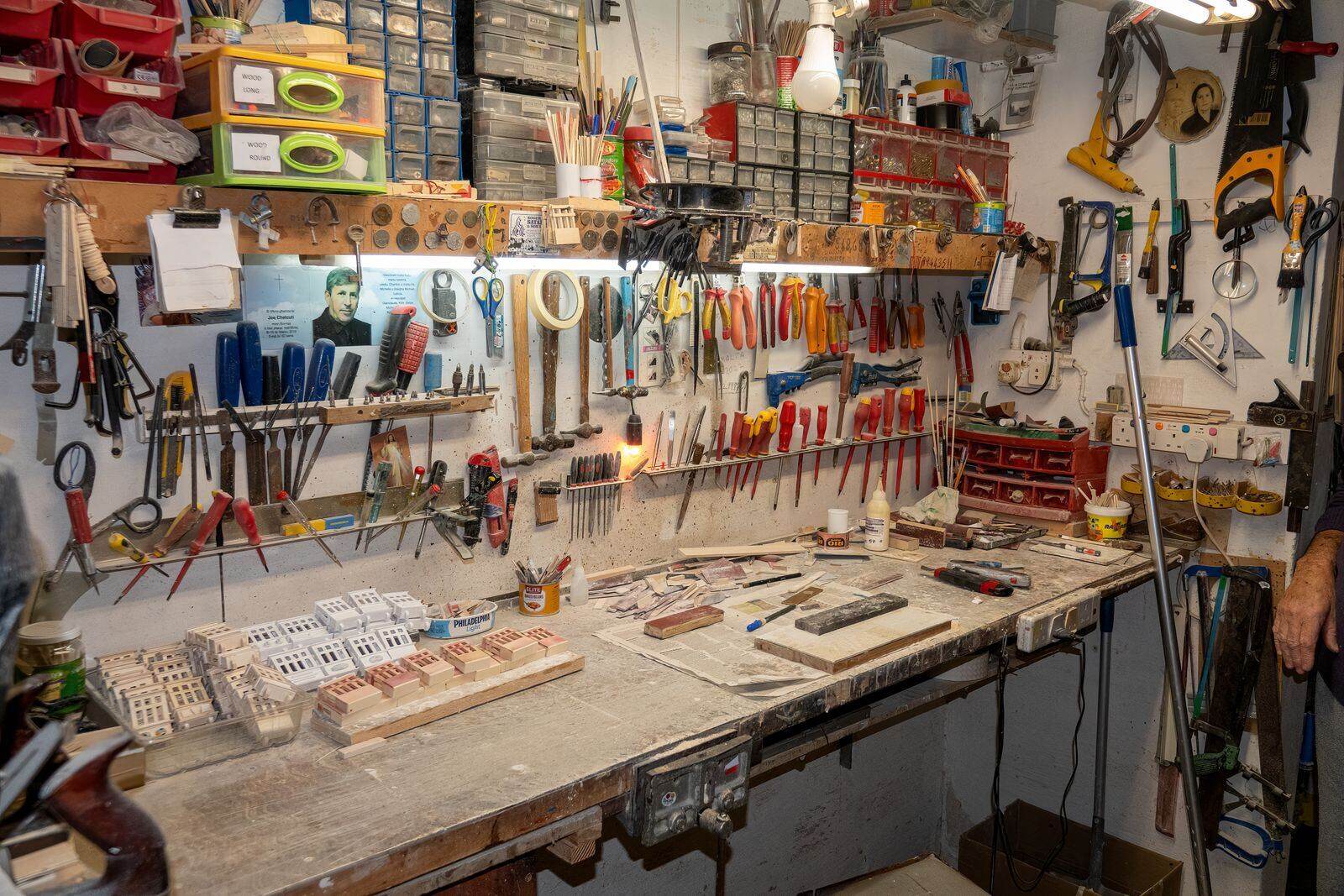
The units on Hortonwood, Stafford Park and Halesfield are where most Telford sales take place. The town was built to put small factories in numbered phases with a lorry road outside. A plastics moulder with six injection machines and a tool room. A press shop supplying the car plants. An engineering firm machining the same family of parts since the estate opened.
If you are retiring and selling the equipment rather than transferring the business, the whole contents of the unit go into one catalogue. We catalogue every lot on site with photographs and a description, sell online over a week or two with a viewing day at the unit, and run a fixed collection window afterwards. Buyers pay us and we account to you after collection and cleared funds. Tell us which estate you are on and what is inside through the contact form.
Moulding shops and press shops on the numbered phases
An injection moulding shop catalogues well. The machines, from small toggle presses to large hydraulics, are bid on across the UK by buyers who send a machinery mover. Granulators, material dryers, hopper loaders, chillers, temperature controllers and conveyors suit other moulders, and firms in the town, in Wolverhampton and in Stafford are close enough to walk the lots on the viewing day. The tool room, with its spark eroders, surface grinders, a milling machine and a bench of hand tools, suits the general trade.
Press shops are heavier. Power presses on foundations, decoilers, straighteners and a tool store full of press tools. The presses have a narrower market, and the removal is a rigging job that the buyer arranges and pays for.
Material stock is worth a separate effort. Bagged polymer, masterbatch, regrind and coil steel with the paperwork can be lotted for the same trade. Mould tools and press tools belong to the customer more often than not, so we check ownership before anything is catalogued.
When the last mould tool goes back to the customer
Retirement in a component business follows the last order rather than a date on the calendar. The final batches are run and the tools go back to the customer or on to their next supplier. We plan the auction to close two or three weeks after that, so the viewing day happens while machines that can be run without risk are still connected and can be demonstrated.
If the unit is leased, the landlord will want it back on a set date. We work the collection window back from the handover and leave a margin for the heaviest lot.
The phases were laid out with turning space for articulated lorries, and the M54 is a few minutes from Stafford Park and Halesfield. We still check the unit itself, the doors, the floor and the yard, when we walk the site. Shrewsbury and Bridgnorth are close enough to walk the lots on the viewing day on the A5 and the A442.
What these sales can include
- Workshop machinery
- Hand and power tools
- Vans and company vehicles
- Trade stock and consumables
- Racking and storage
- Forklifts and pallet trucks
- Office furniture and IT
- Welding and fabrication equipment
- Compressors and generators
- Vehicle lifts and garage equipment
- Catering and canteen equipment
- Signage and shop fittings
How the sale runs
It starts with a conversation. We ask what you have, where it is, and when you need it gone. Then we visit, walk the premises with you and agree which items are included.
We catalogue the lots on site. Each lot gets a description, photographs and, where relevant, a serial number and condition note. The catalogue goes online and the auction is marketed to buyers in the trade.
Most sales run as online timed auctions. Bidding is open for a set period, usually a week or two, with a viewing day at your premises before it closes. Buyers pay us, then collect their lots during the collection window. We account to you once the sale is reconciled, buyers have paid and the collection window has closed, from cleared funds.
The business retirement auctions page covers when an auction is the right route, what you need to prepare, values, reserves and what the buyer pays, collection day and unsold lots, other routes and when we suggest them.
Questions about selling in Telford
- Our machines are still running customer orders. When should we call you?
Now, or as soon as you know the date of the last order. We can visit while the machines are running, agree which lots are included, and set a sale date that lands a few weeks after the last delivery. Photographs and cataloguing usually take a day or two for a unit this size, and we work around production. The viewing day is the only point where buyers need the machines idle and available, and even then a machine under power that can be run shows better than one that has been switched off for a month.
- The landlord wants the unit back in six weeks. Is that long enough?
It is tight but workable. A week for the visit and cataloguing, a week or two of bidding, a viewing day near the close, and a collection window of a few days after. That leaves a small margin for a heavy machine that needs a crane. If the timetable is shorter than that, or the landlord needs the floor made good after removal, we can collect the lots ourselves and sell them from our own premises, which frees the unit sooner.
More questions about retirement auctions
Related services
Guides
- Auction or private treaty: which route to choose
Auction gives you a fixed date and an open market. Private treaty gives you a negotiated price and privacy. This guide sets out when each route suits, what you give up with each, and why many sales use both.