 Britannia Auctions
Business retirement auctions in Warrington
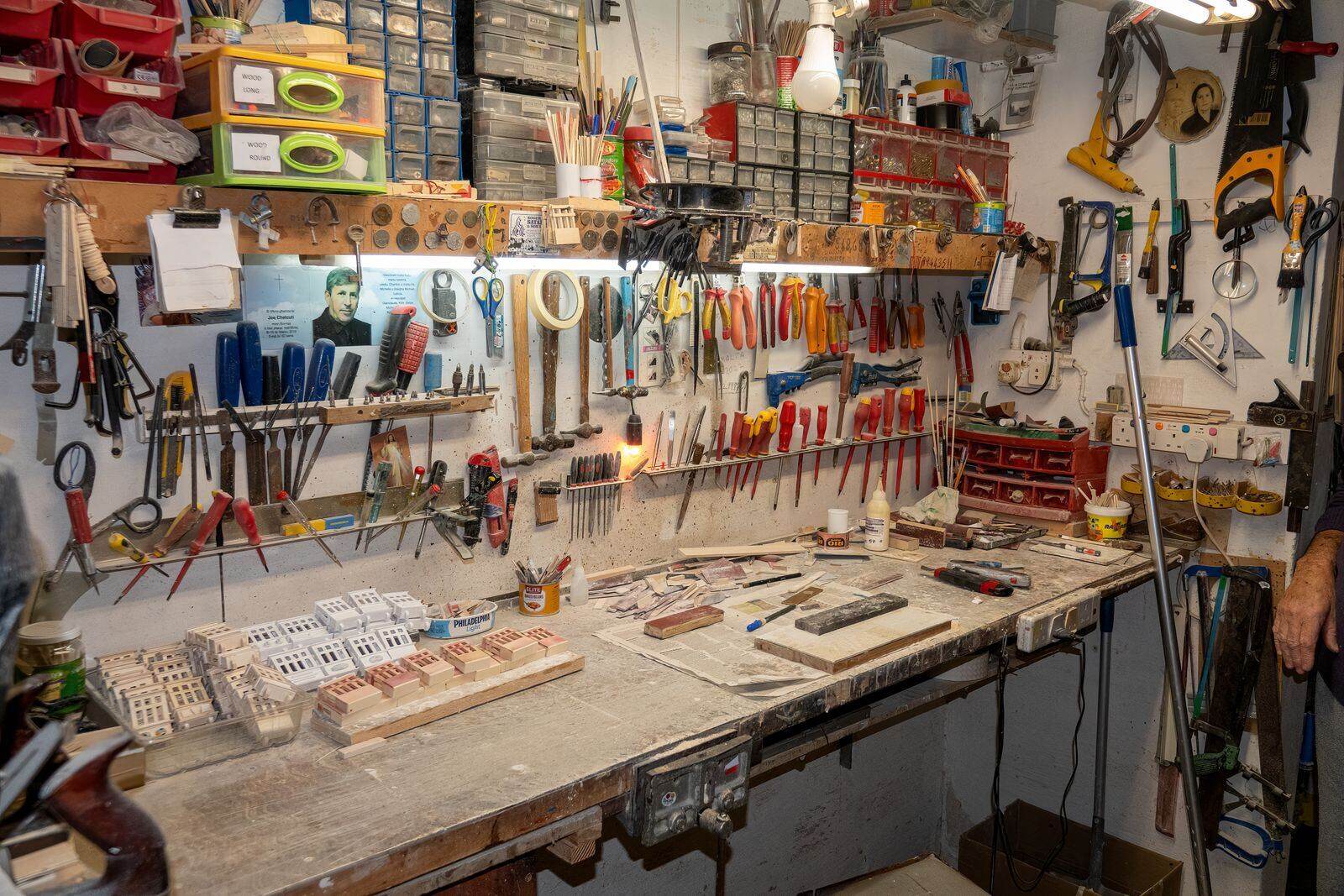
A truck and trailer repairer on Woolston Grange or Appleton Thorn lives off the lorries that pass through the town, and the workshops that keep them running are equipped accordingly. If you are retiring and selling that equipment rather than the business, the pits, the lifts, the welding bay and the parts store go into the sale and the unit goes back to the landlord.
Fabricators, engineering shops, small distribution firms and trade counters on the older estates by the Ship Canal end the same way. We run the retirement sale. Everything is catalogued on site with photographs and a description, sold online over a week or two with a viewing day, and collected in a fixed window. Buyers pay us. We account to you after collection and cleared funds, and one person deals with you from the first call to settlement.
Trailer and truck workshops at the motorway crossing
An HGV workshop is heavier than a car garage in every way. Column lifts and pit jacks rated for lorries, a brake roller tester built into the floor, a headlamp tester, air tools and the compressor to run them, welding sets for chassis and trailer repair, a parts store, and often a wash bay and a diagnostic laptop for every make.
The buyers are other operators and repairers. With the M6 and M62 crossing in the town, St Helens, Wigan, Widnes and Northwich are close enough to walk the lots on the viewing day, and bidding is online for fleet workshops further away. Lifts and brake testers are equipment any operator has to have, and what they make depends on age, condition and paperwork. Parts stock is easier to bid on when it is sorted before we photograph it. A column lift built into the floor comes out by a contractor at the buyer's cost, and we say so on the lot.
Half the buyers are already on the M62
What a site takes is checked when we walk the site, and the findings go in the catalogue. The collection order is agreed with you, because small lots, vehicles and fixed items that need a contractor all need different slots.
Where there are vehicles in the sale, recovery trucks, vans, a yard shunter or the owner's own tractor unit, we need the registration documents and any finance details before we catalogue them. A vehicle on hire purchase belongs to the funder until the agreement is settled and can only be sold where they agree, so dealing with that a month before the auction avoids pulling the lot on the day.
Retirement sales in this trade often follow the end of a maintenance contract or the last operator's licence renewal. Whatever the trigger, tell us the date the keys go back and we plan the auction to close two or three weeks before it, with collection in between.
What these sales can include
- Workshop machinery
- Hand and power tools
- Vans and company vehicles
- Trade stock and consumables
- Racking and storage
- Forklifts and pallet trucks
- Office furniture and IT
- Welding and fabrication equipment
- Compressors and generators
- Vehicle lifts and garage equipment
- Catering and canteen equipment
- Signage and shop fittings
How the sale runs
It starts with a conversation. We ask what you have, where it is, and when you need it gone. Then we visit, walk the premises with you and agree which items are included.
We catalogue the lots on site. Each lot gets a description, photographs and, where relevant, a serial number and condition note. The catalogue goes online and the auction is marketed to buyers in the trade.
Most sales run as online timed auctions. Bidding is open for a set period, usually a week or two, with a viewing day at your premises before it closes. Buyers pay us, then collect their lots during the collection window. We account to you once the sale is reconciled, buyers have paid and the collection window has closed, from cleared funds.
The business retirement auctions page covers when an auction is the right route, what you need to prepare, values, reserves and what the buyer pays, collection day and unsold lots, other routes and when we suggest them.
Questions about selling in Warrington
- The brake tester and one of the lifts are set into the floor. Does that stop them selling?
No, it changes who buys them and how they come out. We list them as fixed items that the buyer removes with their own contractor at their own cost, and we note the floor construction, pit dimensions, power supply and door height so the contractor can price the job before bidding. Serious buyers are used to that. If the landlord wants the floor made good after removal, tell us early, because that is a condition we put on the lot and it affects who bids.
- We hold a lot of parts for the makes we service. Is it better to sell them back to the supplier?
Ask the supplier first. Some will take back unopened stock at a discount, and if the offer is fair it saves everyone time. What they will not take, older parts, opened boxes, used serviceable items and anything for a superseded model, goes into the auction in sorted lots for the same repairers who bid on the lifts. Sort it by make or by type before we photograph it. A sorted parts store can be catalogued lot by lot, which gives a buyer something to bid on, and an unsorted one has to go as a job lot.
More questions about retirement auctions
Related services
Guides
- Auction or private treaty: which route to choose
Auction gives you a fixed date and an open market. Private treaty gives you a negotiated price and privacy. This guide sets out when each route suits, what you give up with each, and why many sales use both.