 Britannia Auctions
Business retirement auctions in Cardiff
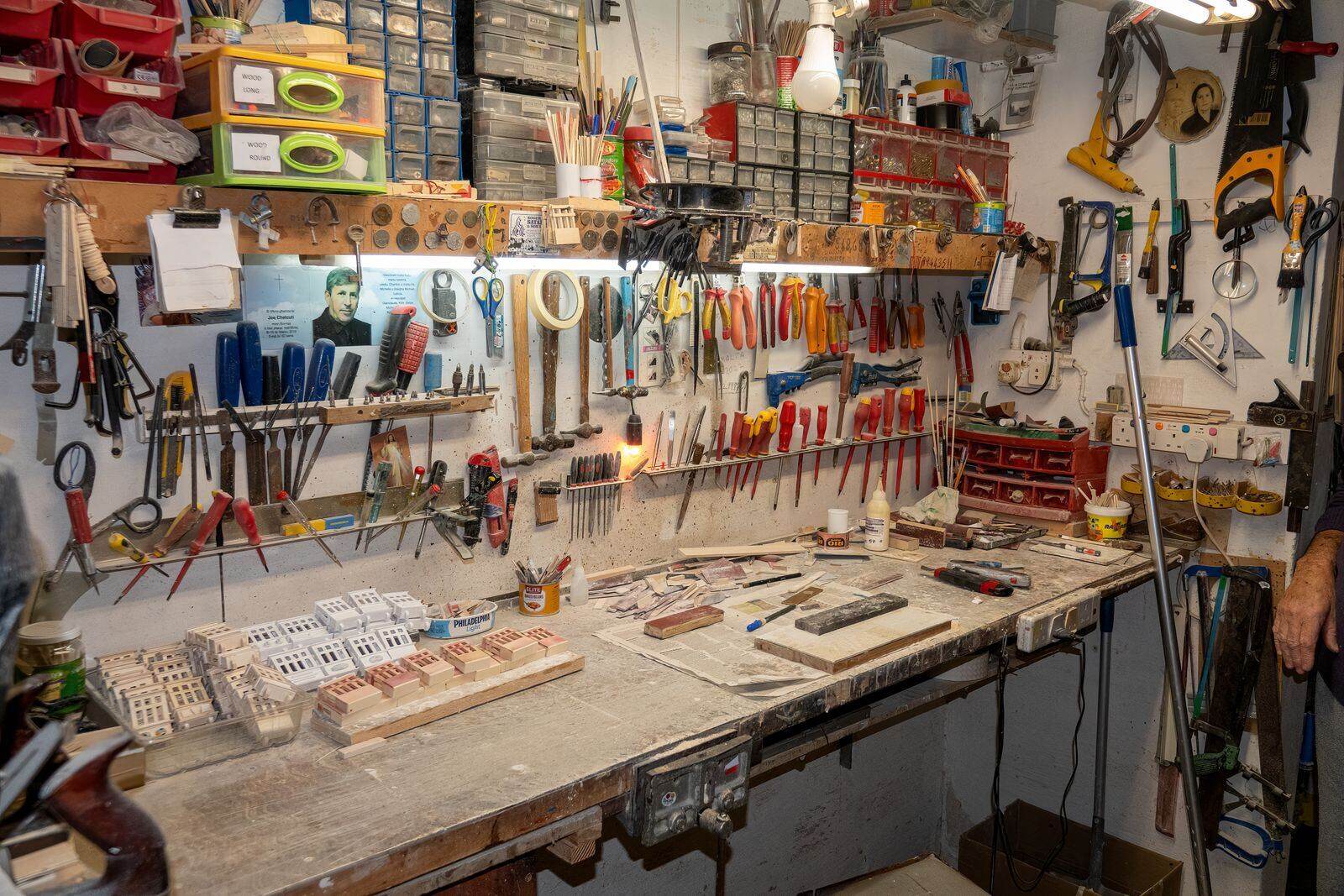
East of the city centre, from Hadfield Road out to Wentloog, is where most of Cardiff's trade businesses sit. Builders merchants, vehicle repairers, sign makers, food producers, small engineering firms and the yards of contractors who built the Bay. Add the studios and post production houses in the Bay itself, and you have a mix that produces very different retirement sales.
The process is the same for each. We visit, agree what is in the sale, catalogue it on site and sell it in an online auction that runs a week or two with a viewing day at your premises. Buyers pay us and collect in a fixed window. If you have a single item of high value we can sell it by private treaty instead.
Tell us what the business does and what is in the yard. We will come and look.
Merchants, fleets, workshops and studios east of the centre
A builders merchant or trade counter retiring brings stock and handling kit. Racking, cantilever racks for timber and steel, forklifts, a side loader, pallet trucks, the counter, the till and the vans. The stock is catalogued in sorted lots for other merchants and for builders, and the trade in Newport, Caerphilly, Barry and Bridgend is within a comfortable drive of the viewing day.
A vehicle fleet operation is mostly vehicles. Vans, tippers, trailers and the workshop that kept them going, with lifts, a compressor, diagnostics and tyre equipment. Vehicles need the V5 and a note of any finance, because a van on hire purchase belongs to the funder until the agreement is settled and can only be sold with their agreement.
Studio businesses are a different sale again. Cameras, lighting, grip, edit suites and sound kit interest a UK wide market of freelancers and small production firms who bid online, and the catalogue needs model numbers and condition on every lot.
Selling the vans alongside the yard
Vehicles go into the same catalogue as the yard equipment, as separate lots. What a van makes depends on its age, its mileage, its condition, the MOT and the service history, and on whether the V5 and any finance are in order. We photograph each one and list the mileage and the MOT date, and the auction is online and open to the rest of the country.
A fleet and the workshop that maintained it interest an overlapping set of buyers, so we usually catalogue them on the same date rather than split them. Where you would rather sell the workshop separately, we can do that.
Removal depends on the site rather than the postcode, so we check vehicle access, turning space, doors and floor levels when we walk the site and put the findings in the catalogue. The A4232 link road gets a low loader from the M4 to the Bay without passing through the centre. Hadfield Road and Penarth Road can be busier, and we plan collection times to suit.
What these sales can include
- Workshop machinery
- Hand and power tools
- Vans and company vehicles
- Trade stock and consumables
- Racking and storage
- Forklifts and pallet trucks
- Office furniture and IT
- Welding and fabrication equipment
- Compressors and generators
- Vehicle lifts and garage equipment
- Catering and canteen equipment
- Signage and shop fittings
How the sale runs
It starts with a conversation. We ask what you have, where it is, and when you need it gone. Then we visit, walk the premises with you and agree which items are included.
We catalogue the lots on site. Each lot gets a description, photographs and, where relevant, a serial number and condition note. The catalogue goes online and the auction is marketed to buyers in the trade.
Most sales run as online timed auctions. Bidding is open for a set period, usually a week or two, with a viewing day at your premises before it closes. Buyers pay us, then collect their lots during the collection window. We account to you once the sale is reconciled, buyers have paid and the collection window has closed, from cleared funds.
The business retirement auctions page covers when an auction is the right route, what you need to prepare, values, reserves and what the buyer pays, collection day and unsold lots, other routes and when we suggest them.
Questions about selling in Cardiff
- Do I need to sell down the stock before the auction, or can it all go in?
It can all go in, and often that is better. Selling down at trade prices takes months and leaves you with the awkward lines anyway. At auction we lot the stock by type and size, photograph each lot, and merchants and builders bid on what they can use. Fast moving lines go to trade buyers and slow lines go as clearance lots. The yard is empty on one date rather than gradually, and the rent stops sooner.
- Our landlord wants the unit back within six weeks. Is that enough time?
Usually, yes, though the timetable depends on how many lots there are and the access. Cataloguing takes a few days, the online sale runs a week or ten days, and collection follows, which can fit inside six weeks with a margin. The risk is at the end, when a buyer is slow to collect a heavy lot. We manage that by fixing the collection window in the catalogue and chasing early. If the timetable is tighter, we can collect the lots and sell them from our own premises.
More questions about retirement auctions
Related services
Guides
- Auction or private treaty: which route to choose
Auction gives you a fixed date and an open market. Private treaty gives you a negotiated price and privacy. This guide sets out when each route suits, what you give up with each, and why many sales use both.