 Britannia Auctions
Business retirement auctions in Swansea
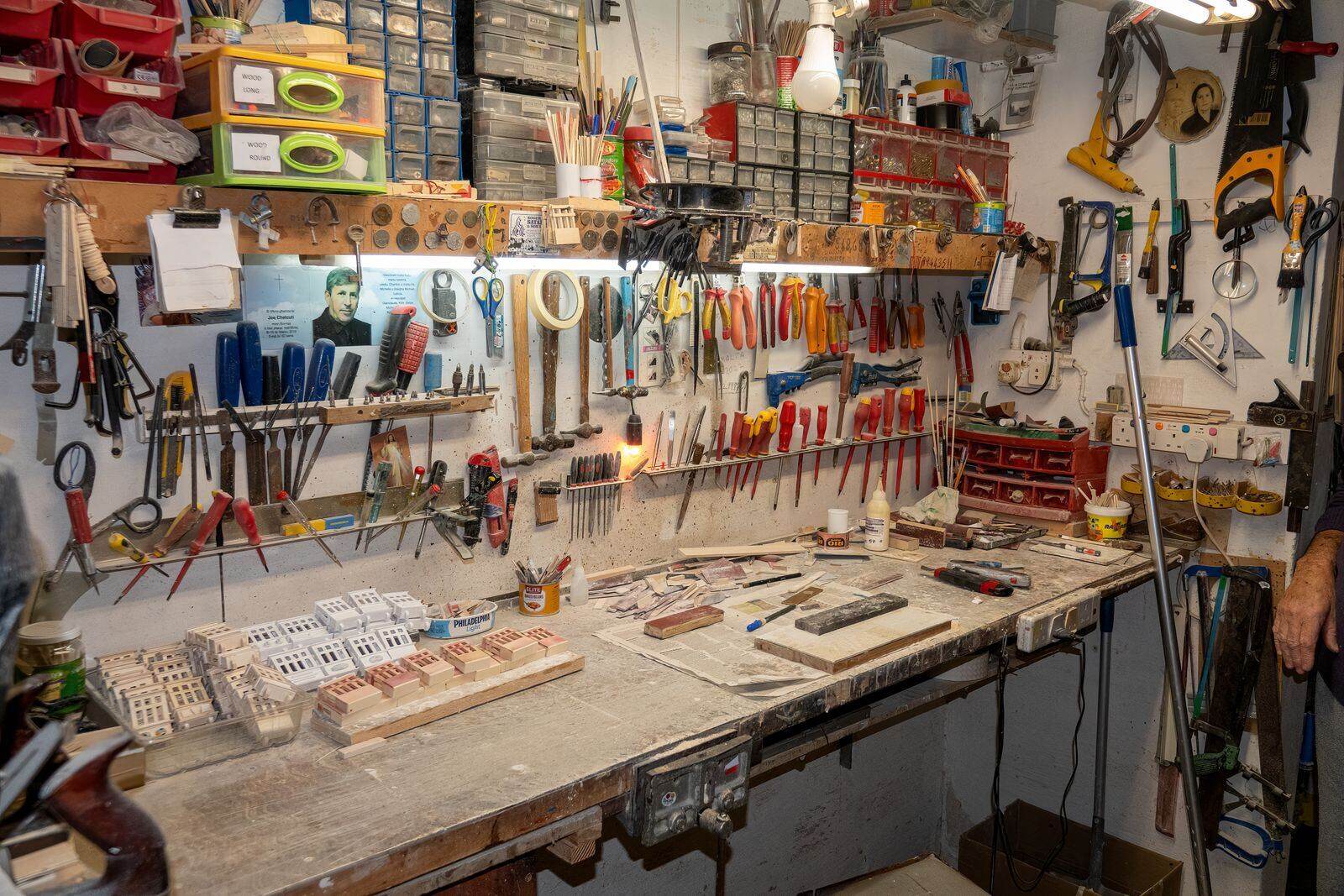
Most of the engineering firms around Swansea grew up serving the steel and metals plants along the coast towards Port Talbot and Neath. Machining, fabrication, hydraulic repair, motor rewinds and plant hire. Where an owner is retiring and selling the equipment rather than transferring the business, the contents of the works have to be sold to a date that suits the lease. The Enterprise Park at Llansamlet and the estates at Fforestfach are where those businesses are, alongside the trade counters and warehouses that share the estates.
A retirement auction sells the contents on one date. We catalogue the machines, tools, vehicles and stock on site, run the sale online with a viewing day at the premises, and manage the collection window. Reserves can be set on the main items. One person deals with you from the first call to settlement.
Send a rough list through the contact form and we will arrange to visit.
Engineering firms that served the steelworks
Maintenance and repair work for the metals industry leaves a firm with heavy, practical equipment. Large centre lathes, horizontal borers, radial drills, hydraulic presses, welding plant, a coil winding shop or a hydraulic test bench. Overhead cranes are common because the work pieces were large. There is usually a store of bar, plate, bearings and fittings held for repairs that never came.
The trades that use this equipment are still in the area. Neath, Port Talbot, Llanelli and Pontardawe are an easy drive from a viewing day, and the M4 puts Bridgend within reach as well. Bids are placed online and the sale is open to the rest of the country, and large machine tools go to buyers who send a haulier.
The stock is worth cataloguing rather than weighing in. Bearings, seals, hoses and hydraulic fittings in sorted lots go to other repairers, and the steel is lotted by section for fabricators who want it tomorrow.
Van lots and low loader lots
A trade counter or a warehouse on the Enterprise Park clears quickly. Racking, forklifts, pallet trucks, the counter and the stock leave in vans and on flatbeds over a couple of days, and the estate roads are built for it. Junctions 44 and 45 of the M4 are close and buyers do not touch the city centre.
An engineering works takes more planning. A borer or a large lathe comes out on a low loader with a crane or a heavy forklift, and an overhead crane has to be dismantled by a specialist with the landlord's agreement. The buyer appoints and pays for that work. We describe the access, the floor and the lifting points in the catalogue, so riggers quote before bidding rather than argue on the day.
We sequence the collection window so the vans clear the small lots first and the heavy plant comes out onto a clear floor. Our staff are on site throughout to check invoices and release lots.
What these sales can include
- Workshop machinery
- Hand and power tools
- Vans and company vehicles
- Trade stock and consumables
- Racking and storage
- Forklifts and pallet trucks
- Office furniture and IT
- Welding and fabrication equipment
- Compressors and generators
- Vehicle lifts and garage equipment
- Catering and canteen equipment
- Signage and shop fittings
How the sale runs
It starts with a conversation. We ask what you have, where it is, and when you need it gone. Then we visit, walk the premises with you and agree which items are included.
We catalogue the lots on site. Each lot gets a description, photographs and, where relevant, a serial number and condition note. The catalogue goes online and the auction is marketed to buyers in the trade.
Most sales run as online timed auctions. Bidding is open for a set period, usually a week or two, with a viewing day at your premises before it closes. Buyers pay us, then collect their lots during the collection window. We account to you once the sale is reconciled, buyers have paid and the collection window has closed, from cleared funds.
The business retirement auctions page covers when an auction is the right route, what you need to prepare, values, reserves and what the buyer pays, collection day and unsold lots, other routes and when we suggest them.
Questions about selling in Swansea
- We have a couple of large machines that are worth more than the rest of the sale put together. Should they go in the auction?
Not always. A single high value machine can be offered by private treaty, where we approach the buyers likely to want it and negotiate a direct sale, while the rest of the workshop goes through the auction. That suits a machine with a small number of specialist buyers. If the machine has a broad market, the auction with a reserve is usually the better route because buyers compete. We give you a view on each machine before you commit.
- Is the Enterprise Park easy for buyers to reach for a viewing day?
Yes. It sits beside junctions 44 and 45 of the M4, and Neath, Port Talbot, Llanelli and Gorseinon are within half an hour of the estate. Viewings are held at the premises during the online bidding period, usually on one fixed day, so buyers can check a machine before they bid. Bidding is online, and a bid can come from someone who has only read the catalogue, which is why the descriptions and photographs are done properly.
More questions about retirement auctions
Related services
Guides
- Auction or private treaty: which route to choose
Auction gives you a fixed date and an open market. Private treaty gives you a negotiated price and privacy. This guide sets out when each route suits, what you give up with each, and why many sales use both.