 Britannia Auctions
Business retirement auctions in Newcastle upon Tyne
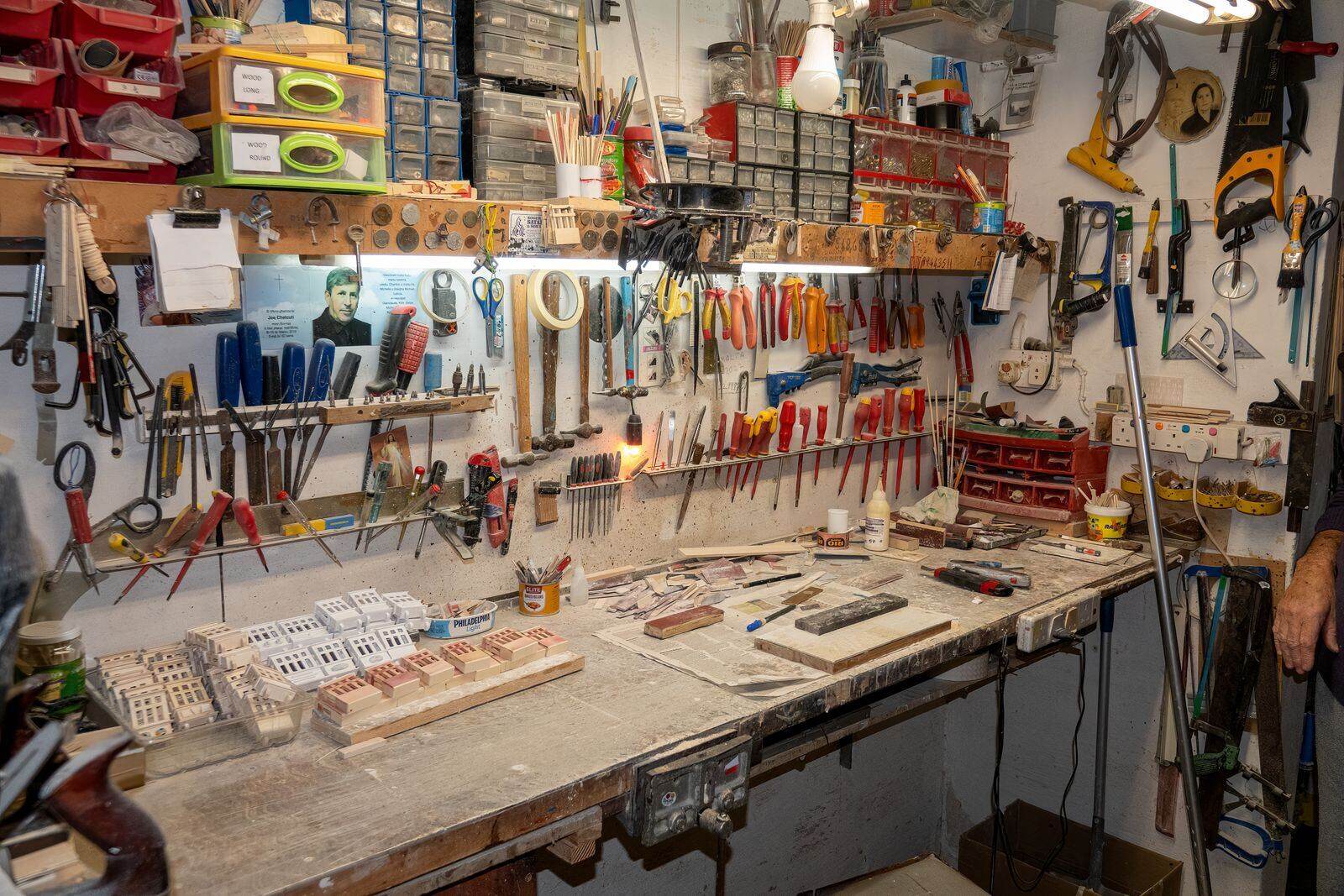
Offshore and marine work along the Tyne is done by big contractors, but the fabricating, machining and testing that feeds it is done by small firms on the riverside at Walker and across the river on Team Valley. Where an owner is retiring and selling the equipment rather than passing the firm on, what goes into the sale is a shop full of welding plant, machine tools, lifting gear and consumables, and a lease or a building to hand back.
We run retirement auctions for businesses like these. We catalogue on site, describe every lot with the buyer in mind, and sell in an online timed auction with a viewing day at the premises. Buyers pay us and collect in a fixed window. We account to you after collection and cleared funds.
Gateshead, Cramlington, Blyth and Durham are near enough to come and see the lots, and bidding runs online and is open to buyers from every part of the UK. Use the contact form to tell us what you have.
Fabrication and machining shops along the river
A fabricator supplying the offshore trade has heavier plant than most. Plate rolls, large press brakes, profile cutters, column and boom welders, positioners and overhead cranes. The welding sets are numerous and of good quality, because the work was inspected. Machine shops in the same supply chain have large lathes and borers to match.
The market for this equipment is not only local. Welding plant and rolls suit fabricators across the north east, from Blyth to Durham, and the sale is online and open to bidders anywhere in the UK. Large machine tools have a smaller circle of buyers, and what they make depends on condition, capacity and the cost of moving them.
Test and inspection equipment, which a marine engineer accumulates over the years, draws its own bidders. Pressure test rigs, NDT kit, calibrated gauges and torque equipment all go into the catalogue, and the description is what a bidder works from, so we take the time over it.
Big welding plant and narrow riverside roads
The riverside roads at Walker are narrow in places, and that decides how a heavy lot comes out. A set of plate rolls on a low loader needs a route in, a place to stand, a crane or a forklift with the right capacity, and time. We walk that route at the site visit and write what we find into the catalogue, so the buyer's rigger can quote from the description.
Newburn Riverside, the estates around the A1 Western Bypass and Team Valley were laid out for larger vehicles, and we check those on the visit as well rather than take it for granted. Either way the buyer appoints and pays for the machinery mover, and the collection order is agreed with you before the sale closes.
Overhead cranes are a special case. They sell, but dismantling is a specialist job on the landlord's timetable, and sometimes the crane is worth more left in the building.
What these sales can include
- Workshop machinery
- Hand and power tools
- Vans and company vehicles
- Trade stock and consumables
- Racking and storage
- Forklifts and pallet trucks
- Office furniture and IT
- Welding and fabrication equipment
- Compressors and generators
- Vehicle lifts and garage equipment
- Catering and canteen equipment
- Signage and shop fittings
How the sale runs
It starts with a conversation. We ask what you have, where it is, and when you need it gone. Then we visit, walk the premises with you and agree which items are included.
We catalogue the lots on site. Each lot gets a description, photographs and, where relevant, a serial number and condition note. The catalogue goes online and the auction is marketed to buyers in the trade.
Most sales run as online timed auctions. Bidding is open for a set period, usually a week or two, with a viewing day at your premises before it closes. Buyers pay us, then collect their lots during the collection window. We account to you once the sale is reconciled, buyers have paid and the collection window has closed, from cleared funds.
The business retirement auctions page covers when an auction is the right route, what you need to prepare, values, reserves and what the buyer pays, collection day and unsold lots, other routes and when we suggest them.
Questions about selling in Newcastle upon Tyne
- We hold welding consumables and steel plate for a customer's job that is not going ahead. Can that be sold?
Only if it is yours. Material bought on your account and paid for by you can go into the sale, and plate is lotted by grade and thickness for fabricators who will collect. Material bought by the customer or invoiced to them stays theirs, and the simplest route is to ask them to collect it by a set date. Consumables are worth listing in lots by type. Unopened wire and rods go in as described lots, and opened stock goes as a clearance lot.
- Our lifting gear has current test certificates. Does that add value at auction?
It does. Chain blocks, slings, shackles and beam clamps with certificates in date can be put to work straight away, and we photograph the certificates alongside the lot. Gear that is out of test still goes in the sale, at a level that reflects the buyer having to have it tested before use. Cranes, whether overhead or jib, are described with their safe working load and the date of the last thorough examination. Tell us where the paperwork is when we walk the site and we handle the rest.
More questions about retirement auctions
Related services
Guides
- Auction or private treaty: which route to choose
Auction gives you a fixed date and an open market. Private treaty gives you a negotiated price and privacy. This guide sets out when each route suits, what you give up with each, and why many sales use both.